

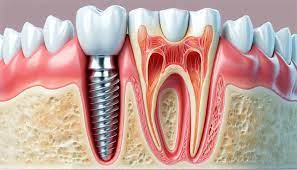
Enhancing Precision in Implantology: Digital Surgical Guides
Influence of Implant Guides on Surgical Accuracy
The advent of digital surgical guides has marked a significant leap forward in the field of implantology, offering unprecedented precision in dental implant placement. This innovation is a cornerstone of modern dental implants technology, emphasizing the accuracy of these guides as paramount, as they directly influence the success of the surgical procedure and the long-term viability of the implant. Recent studies have highlighted the effectiveness of implant guides in enhancing surgical accuracy, comparing various types of guides and their manufacturing methods, thereby showcasing the critical role of advanced technology in improving outcomes in dental implantology.
- A systematic review by Shi et al. (2023) focused on the accuracy of digital surgical guides, emphasizing the importance of design elements such as fixation screws and sleeves.
- Huang et al. (2023) conducted a prospective clinical study comparing the accuracy of guided versus freehand implant placement.
- Atay et al. assessed the outcomes of fully guided implant placements by different levels of dental practitioners, revealing insights into the learning curve associated with this technology.
The integration of digital surgical guides into clinical practice, particularly by Brunswick dental professionals, has not only improved the precision of implant placement but also contributed to the predictability of surgical outcomes, thereby enhancing patient satisfaction. This advancement demonstrates how dental practices in Brunswick are at the forefront of adopting innovative technologies to ensure the highest standards of care for their patients.
Further research, such as the retrospective observational study by an unnamed author, delves into novel methods like the modified single computed tomography (MSCT) scanning technique, which may offer additional improvements in guide accuracy. The continuous evolution of digital surgical guides promises to refine the implantology process even further, making it a critical area of focus for ongoing research and development.
Supporting Types and Manufacturing Methods
The realm of dental implant technology has seen a significant shift towards the use of digital surgical guides, which has necessitated the development of various supporting types and manufacturing methods. These methods are crucial for producing guides that are not only accurate but also cost-effective and tailored to individual patient needs.
Mass production and efficient manufacturing processes are key to reducing labor costs and making dental surgical guides more affordable. The use of advanced materials such as titanium, which comes in different grades, also plays a significant role in the quality and durability of the final product.
- Design Complexity: The complexity of the design impacts the cost and production time.
- Material Selection: Choice of material affects biocompatibility and performance.
- Manufacturing Techniques: Methods like 3D printing allow for customization and precision.
Embracing innovative manufacturing techniques, such as additive manufacturing, enables the creation of patient-specific devices that conform to the unique anatomy of each patient’s jaw and facial structures. This customization is the cornerstone of modern implantology, ensuring better outcomes and patient satisfaction.
Furthermore, the integration of technologies like 3D printing has revolutionized the production of dental implants, allowing for the creation of complex structures that were previously difficult or impossible to achieve with traditional manufacturing methods. This has opened up new possibilities in the design and functionality of dental implants, making them more effective and reliable than ever before.
Design Considerations: Fixation Screws and Sleeves
The design of fixation screws and sleeves is critical to the success of dental implants. Proper selection and placement ensure the stability and longevity of the implant. Factors such as the material properties, the interface with the bone, and the mechanical load distribution play a pivotal role in the overall performance of dental implants.
- Material Properties: The choice of material affects the strength and biocompatibility of the screws and sleeves.
- Interface with Bone: A secure interface is essential for osseointegration and long-term stability.
- Load Distribution: Even distribution of mechanical loads prevents stress points that could lead to implant failure.
Attention to detail in the design phase can significantly reduce the risk of complications and enhance the implant’s success rate. It is important to consider the interaction between the implant components and the biological environment they will inhabit.
Manufacturers must also consider the ease of installation and potential for customization to accommodate patient-specific needs. The evolution of digital technologies has allowed for more precise designs that can be tailored to individual cases, leading to improved outcomes and patient satisfaction.
3D Printing Innovations in Dental Implant Technology
Overview of Current 3D Printing Techniques
The realm of 3D printing in dentistry has seen significant advancements, with a variety of techniques now available to create patient-specific devices. These innovations have revolutionized the approach to dental implantology and related fields, offering customized solutions that were previously unattainable. The process involves creating three-dimensional solid objects from a digital file, layer by layer, until the object is complete.
- Fused Filament Fabrication (FFF) for printing plastics and composites
- Selective Laser Sintering (SLS) for creating intricate structures
- Stereolithography (SLA) for high-precision and smooth surface finishes
The integration of 3D printing into dental practices not only enhances the precision of implants and devices but also opens up new possibilities for treatment and innovation.
The application of these techniques extends across various dental specialties, including prosthodontics, implantology, orthodontics, and more. With the potential of 4D printing on the horizon, the future of additive manufacturing in dentistry promises even greater advancements and challenges to overcome.
Advances in Patient-Specific Devices
The realm of dental implants technology has seen a significant shift towards the customization of patient-specific devices. These advancements cater to the unique anatomical needs of each individual, ensuring a more precise fit and improved functionality. The integration of 3D printing has been pivotal in this transformation, allowing for the creation of devices that are tailored to the specific contours of a patient’s jaw and facial structures.
The potential of additive manufacturing in dental implants technology extends beyond mere replacement; it opens up possibilities for repair and regeneration of maxillofacial structures, setting a new standard in patient care.
In Maine, the application of these technologies has been particularly noteworthy. Clinics offering dentures in Maine have begun to adopt these patient-specific devices, providing a level of customization previously unattainable. The benefits are manifold, including reduced surgery times, enhanced comfort, and a decrease in the need for adjustments post-surgery.
- Customization: Tailoring devices to individual anatomy
- Precision: Enhanced fit and functionality
- Comfort: Improved patient experience
- Efficiency: Shorter surgery times and recovery
The future of dental implants technology is closely tied to the continued development and refinement of these patient-specific devices. As the technology evolves, so too does the potential for improved patient outcomes and satisfaction.
Material-Related Details and Clinical Advantages
The evolution of 3D printing in dentistry has brought significant clinical advantages, particularly in the realm of patient-specific devices. Titanium remains the cornerstone of dental implant materials, known for its exceptional biocompatibility and the ability to promote cellular proliferation and differentiation. Recent studies have highlighted the success rates of titanium implants, underscoring the importance of material choice in implantology.
Material advancements not only contribute to the structural integrity of implants but also to their aesthetic and functional outcomes. The table below summarizes key material properties and their clinical implications:
| Material | Biocompatibility | Success Rate | Aesthetic Outcome |
| Titanium | High | Improved | Natural |
The integration of advanced materials into dental implants is a pivotal step towards enhancing patient outcomes and satisfaction.
Clinicians are now equipped with a broader range of material options, each offering unique benefits. The ongoing research and development in this field promise to further refine these materials, ensuring that dental implants continue to meet the evolving needs of patients.
Evaluating the Outcomes of Recent Dental Implant Studies
Critical Analysis of Latest Research Findings
The landscape of dental implantology is continually reshaped by emerging research. A critical analysis of the latest research findings reveals a trend towards the increased accuracy of digital impressions in implant dentistry. The systematic review by Jie Ma et al., published in the International Journal of Implant Dentistry, underscores the precision of intraoral scan (IOS) impressions for implant-supported restorations.
Recent studies have focused on various aspects of dental implant technology, including the development process, environmental impact, and clinical outcomes. For instance, Rossi et al. presented a novel method to evaluate the traditional product development process, highlighting the importance of environmental considerations in implant dentistry.
The integration of digital technologies in dental implantology not only enhances precision but also promises a more sustainable approach to dental care.
While the research is extensive, it is crucial to synthesize these findings to distill actionable insights for clinical practice. The table below summarizes key studies and their contributions to the field:
| Study Citation | Content Type | Published On | Key Contribution |
| Jie Ma et al. 2023 9:48 | Review | 6 December 2023 | Accuracy of IOS impressions |
| Rossi et al. 2023 9:38 | Review | 25 October 2023 | Product development process analysis |
| 2023 9:35 | Review | 2 October 2023 | – |
| 2024 10:3 | Research | 5 February 2024 | – |
The table highlights the diversity of research areas and the depth of analysis provided by recent studies. It is evident that the field is moving towards a more integrated and evidence-based approach to dental implantology.
Comparative Review of Study Methodologies
The comparative review of study methodologies in recent dental implant research highlights the diversity and complexity of approaches used to assess implant outcomes. A critical examination of these methodologies is essential for understanding the validity and reliability of the results.
For instance, a systematic review and meta-analysis by Jie Ma et al. focused on the accuracy of intraoral scan impressions, utilizing a robust statistical framework to ensure the reliability of their findings. In contrast, a retrospective observational study aimed at comparing dental implant placement accuracy employed different computed tomography scanning methods, revealing the importance of method selection in research outcomes.
The choice of study design, statistical analysis, and ethical considerations play a pivotal role in the integrity of dental implant research.
The following table summarizes key aspects of the methodologies used in selected studies:
| Study ID | Research Type | Statistical Analysis | Ethical Approval |
| 14 | Systematic Review | ANOVA, p < 0.05 | Not specified |
| 20 | Observational Study | Not specified | Not specified |
This comparative review underscores the need for standardized protocols to enhance the comparability of dental implant studies, which could ultimately lead to more consistent and reliable outcomes in the field.
Implications for Future Dental Implant Practices
The exploration of recent studies in dental implantology reveals a trajectory of innovation that is poised to redefine clinical practices. The integration of new materials and techniques is expected to enhance the efficacy and accessibility of dental implants for a broader patient demographic.
Future dental implant practices will likely be influenced by several key factors:
- The adoption of advanced imaging and diagnostic tools for more precise treatment planning.
- The development of patient-specific implants that offer improved comfort and fit.
- The utilization of biocompatible materials that promote faster healing and integration with the body.
- The emphasis on minimally invasive procedures to reduce recovery time and complications.
Embracing these advancements will require practitioners to continuously update their skills and knowledge, ensuring that they remain at the forefront of dental implant technology.
As the field progresses, it is crucial to maintain a balance between embracing cutting-edge technologies and adhering to evidence-based practices. This will safeguard the quality of patient care and foster the development of more reliable and effective dental implant solutions.
The Role of Interdisciplinary Collaboration in Implant Dentistry
Cross-Disciplinary Teams in Dental Implant Innovations
The advent of cross-disciplinary teams has marked a significant milestone in the field of dental implant innovations. These teams bring together experts from various specialties, including material science, surgical techniques, and digital imaging, to foster a holistic approach to implant dentistry. The synergy of diverse expertise not only accelerates the pace of innovation but also ensures that new developments are practical and patient-centered.
- Material Scientists
- Oral Surgeons
- Prosthodontists
- Biomedical Engineers
- Radiologists
- Dental Technicians
The integration of cross-disciplinary knowledge is crucial for the advancement of dental implant technologies, as it allows for a more comprehensive understanding of the challenges and opportunities in the field.
Collaborative efforts have led to the creation of more sophisticated implant systems that are tailored to meet the specific anatomical and functional needs of patients. The table below illustrates the roles and contributions of various professionals in a cross-disciplinary dental implant team:
| Profession | Role in Implant Innovation |
| Material Scientist | Development of new implant materials |
| Oral Surgeon | Surgical planning and execution |
| Prosthodontist | Design of prosthetic components |
| Biomedical Engineer | Customization of implant design |
| Radiologist | Precision imaging for planning |
| Dental Technician | Fabrication of dental prostheses |
This collaborative model not only enhances the quality of patient care but also paves the way for groundbreaking discoveries that could redefine the future of oral health.
Case Studies: Successful Collaborative Efforts
The integration of cross-disciplinary expertise has proven to be a cornerstone in the evolution of dental implant technologies. One notable example is the collaboration between brunswick dental specialists and material scientists, which led to the development of a new implant surface treatment that significantly enhances osseointegration. This synergy not only accelerated the innovation process but also ensured that the final product was both clinically effective and met the practical needs of dental professionals.
The success of interdisciplinary collaborations in dental implantology underscores the importance of diverse perspectives in tackling complex challenges. By combining the insights of clinicians, researchers, and engineers, the field has witnessed remarkable advancements that directly benefit patient care.
Another case study highlights the role of technology in facilitating communication and project management among diverse teams. Utilizing digital platforms, team members were able to share real-time updates, maintain a centralized knowledge base, and streamline decision-making processes. This approach minimized errors and maximized efficiency, setting a new standard for collaborative efforts in the dental industry.
Challenges and Opportunities in Interdisciplinary Research
Interdisciplinary research in implant dentistry brings together experts from various fields to innovate and solve complex problems. The synergy of diverse expertise can lead to groundbreaking advancements in dental implant technology. However, this collaboration is not without its challenges.
One of the primary obstacles is the integration of different terminologies and methodologies from various disciplines. This can lead to misunderstandings and slow progress. Additionally, there is often a need for extensive coordination to align the goals and expectations of all parties involved.
The potential for interdisciplinary research to revolutionize dental implantology is immense, provided that the challenges of communication and coordination can be effectively managed.
Opportunities for interdisciplinary research include the pooling of resources, sharing of unique insights, and the ability to approach problems from multiple angles. When successful, these collaborations can accelerate the development of new materials, techniques, and treatments that significantly improve patient outcomes.
Material Science Breakthroughs and Their Impact on Implants
New Materials for Enhanced Implant Performance
The quest for new materials in dental implant technology is driven by the need for enhanced implant performance, including better osseointegration and longevity. Titanium remains the gold standard due to its exceptional biocompatibility and success in clinical applications. However, researchers are exploring modifications to titanium’s surface topography to further improve cellular adhesion and differentiation, which are critical for the osseointegration process.
Surface roughening and coating processes have been established as effective methods to enhance the interaction between the implant and bone tissue. These modifications aim to accelerate osseointegration and ensure the stability of the implant. The table below summarizes some of the key surface treatments and their intended effects:
| Surface Treatment | Intended Effect |
| Surface Roughening | Improved cellular adhesion |
| Coating Processes | Enhanced differentiation |
| Laser Modification | Increased bone-implant interaction |
The continuous innovation in material science not only promises to improve the outcomes of dental implants but also opens up possibilities for patient-specific solutions that cater to individual anatomical and physiological needs.
Biocompatibility and Longevity of Dental Implants
The cornerstone of dental implant success is the harmonious integration of the implant with the jawbone and surrounding tissues. Biocompatibility and longevity are paramount, as they determine the implant’s stability and durability over time. Titanium remains the gold standard in implant materials due to its exceptional compatibility with biological tissues and its ability to promote cell proliferation and differentiation, leading to robust osseointegration.
The interplay between material properties and the body’s biological response is critical. Advances in material science aim to enhance this synergy, reducing healing times and extending the lifespan of dental implants.
While titanium’s track record is well-established, research continues to explore alternative materials and surface modifications to further improve outcomes. The following table summarizes key aspects of biocompatibility and longevity in dental implants:
| Material | Biocompatibility | Longevity | Advancements |
| Titanium | High | Excellent | Surface modifications |
| Zirconia | Good | Very Good | Aesthetic improvements |
| PEEK | Moderate | Good | Customization potential |
These developments reflect a commitment to optimizing dental implant quality, with the ultimate goal of achieving faster healing and prolonged implant life.
Future Directions in Dental Implant Materials
As the field of dental implants continues to evolve, the exploration of new materials beyond the commonly used titanium is gaining momentum. The quest for materials with enhanced properties is driven by the need for improved biocompatibility, longevity, and structural integrity. Innovations in material science are expected to lead to the development of implants that not only mimic the natural function of teeth but also promote better integration with the body’s biological systems.
- Zirconia is emerging as a promising alternative, offering excellent aesthetic results due to its tooth-like color.
- Researchers are investigating the use of bioactive glasses that can bond with bone, potentially accelerating the healing process.
- Polymers, especially those that are bioresorbable, are being considered for temporary implants that support tissue regeneration.
The integration of these new materials into dental implantology could revolutionize patient outcomes, making implants more accessible and tailored to individual needs.
Further research into the surface modification of these materials could enhance osseointegration, the process by which implants anchor to the jawbone. The development of smart implants with embedded sensors to monitor health and predict potential issues is also on the horizon. As we look to the future, the collaboration between material scientists, engineers, and dental professionals will be crucial in bringing these advancements from the laboratory to the clinic.
Conclusion
The landscape of dental implant technology is rapidly evolving, with recent studies and reviews highlighting significant advancements in surgical accuracy, 3D printing applications, and patient-specific device fabrication. As evidenced by the systematic reviews and research articles published in the International Journal of Implant Dentistry between 2023 and 2024, the integration of digital surgical guides and innovative manufacturing methods are enhancing the precision and outcomes of dental implant procedures. These technological strides not only promise improved patient experiences but also pave the way for more predictable and successful dental restorations. As the field continues to advance, it is essential for dental professionals to stay abreast of these developments to deliver the highest standard of care.