

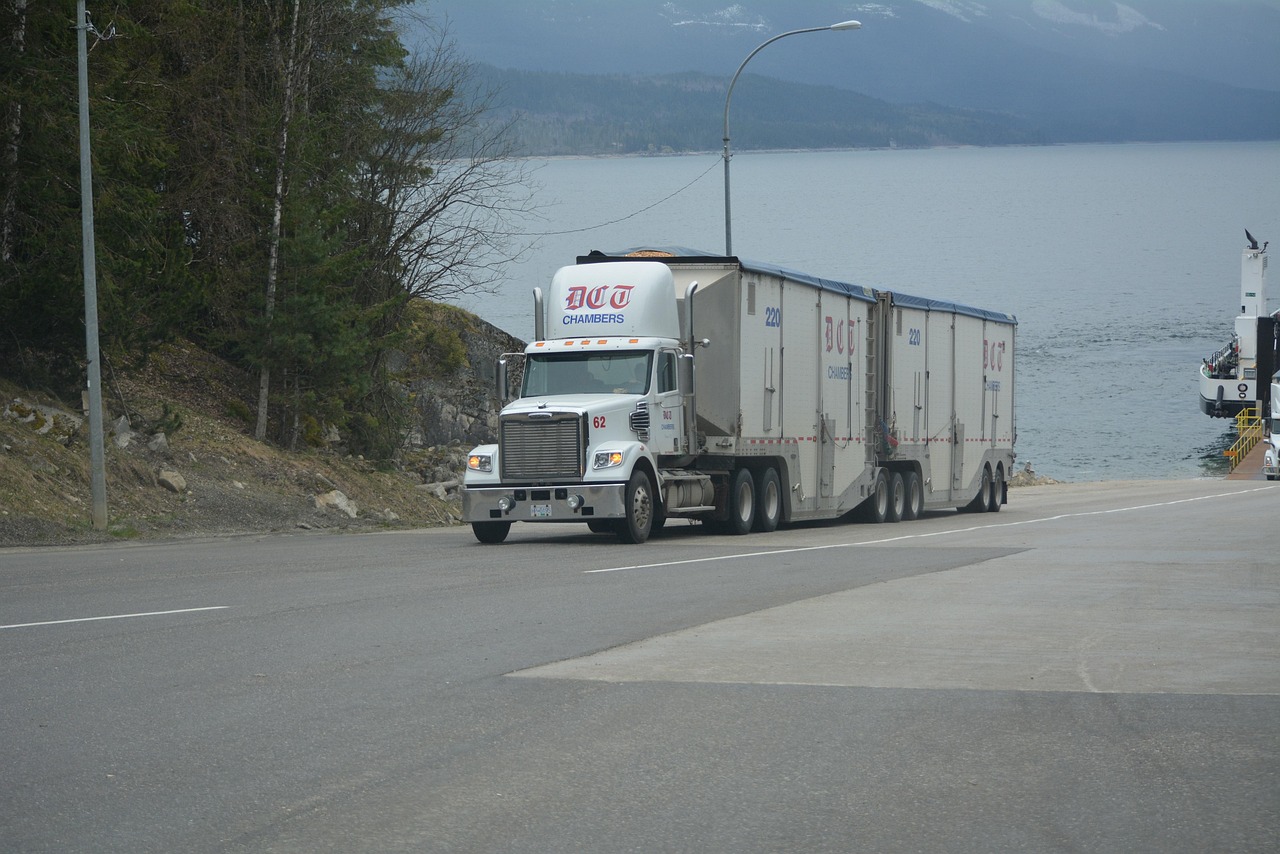
Accidents involving large vehicles such as semi-trucks, buses, and delivery vehicles often result in devastating consequences. Due to their size and weight, these vehicles can cause severe injuries, significant property damage, and complex legal cases. Victims of large vehicle accidents frequently face unique legal hurdles that differ from standard car crash claims. Understanding these challenges is critical for securing rightful compensation.
Understanding the Complexity of Large Vehicle Accidents
Federal and State Regulations
One of the biggest legal complications in large vehicle accidents is the involvement of both state and federal regulations. The Federal Motor Carrier Safety Administration (FMCSA) sets national safety standards for commercial motor vehicles, covering aspects like driver hours, vehicle maintenance, and cargo limitations. These federal rules intersect with state traffic laws, creating a multilayered legal environment that often requires expert navigation.
Multiple Parties Involved
Unlike typical vehicle accidents involving two drivers, large vehicle collisions may implicate several parties. Depending on the case, potential liable parties may include:
- The vehicle driver
- The trucking company or employer
- A third-party maintenance provider
- The manufacturer of a faulty vehicle part
- A cargo loading company
Determining who is at fault can become a complicated and time-consuming process. Each party may deny responsibility, leading to prolonged investigations and legal proceedings.
Liability and Proving Negligence
Driver Error and Company Responsibility
Truck drivers are required to adhere to strict schedules, often under pressure to meet delivery deadlines. This can lead to unsafe practices such as speeding, fatigue, and distracted driving. If a driver’s negligence is proven, liability may also extend to their employer under the principle of “vicarious liability.”
In some cases, the trucking company may have directly contributed to the incident by encouraging unsafe practices or failing to maintain their fleet properly. Collecting the appropriate documentation, such as driver logs and maintenance records, is crucial to building a strong case.
Comparative Fault in Nevada
Nevada follows a comparative negligence rule, meaning that a victim’s compensation may be reduced by their percentage of fault in the accident. For example, if a claimant is found to be 20% at fault and their damages amount to $100,000, they would only receive $80,000. This legal principle often leads to intense disputes between parties over fault percentages, requiring skilled legal counsel to protect the victim’s rights.
Insurance and Litigation Challenges
Commercial Insurance Complexities
Large vehicles are typically insured under commercial policies with higher coverage limits. While this might seem like a benefit, it can actually complicate the claims process. Insurance companies may aggressively defend against high-value claims to minimize payouts. Additionally, these policies often involve layers of coverage (primary and excess insurance), each with its own set of conditions and exclusions.
Delay Tactics and Disputes
Insurance companies and defense attorneys may employ various tactics to delay or deny valid claims. Common strategies include:
- Disputing the severity of injuries
- Requesting excessive documentation
- Blaming the victim for the accident
- Delaying settlement negotiations
Legal professionals who are familiar with these strategies can help victims remain focused and proactive throughout the process.
Importance of Immediate Legal Action
Preserving Evidence
Time is a critical factor in large vehicle accident claims. Vital evidence such as surveillance footage, witness statements, and electronic logging device (ELD) data can be lost if not secured quickly. Additionally, trucking companies are only required to retain certain records for a limited period—typically six months to a year. Engaging a legal team early ensures this evidence is preserved and properly analyzed.
Statute of Limitations in Nevada
Victims in Nevada must file a personal injury claim within two years of the accident date. Missing this deadline can bar the injured party from recovering damages altogether. Understanding and adhering to this timeline is essential for maintaining legal eligibility and achieving a successful outcome.
The Role of Expert Witnesses and Investigators
Accident Reconstruction
Due to the complexity of large vehicle crashes, accident reconstruction specialists are often called upon to analyze the scene, vehicle damage, skid marks, and data from onboard devices. Their findings can be pivotal in court or settlement negotiations.
Medical and Economic Experts
In addition to proving fault, plaintiffs must also demonstrate the full extent of their damages. Medical professionals can testify regarding long-term injuries, while economic experts can project lost wages and future care needs. These insights help support claims for both current and future compensation.
Why Legal Representation Is Essential
Handling a large vehicle accident claim requires in-depth legal knowledge, access to resources, and a thorough understanding of industry standards. Victims often face a well-funded defense team and complex liability issues that are difficult to navigate alone. Reputable law firms can provide the strategic support and representation needed to secure just outcomes.
If you’re seeking experienced counsel, H&P Law has a proven track record in handling large vehicle accident cases with dedication and success.
Additional Resources for Victims
Victims and their families often benefit from reviewing trusted legal directories and government sites. For example, you can learn more about trusted representation through various platforms, which offer background on the firm’s services and credentials.
Moreover, staying informed about the safety standards and regulations that apply to commercial vehicles is key. The FMCSA website linked earlier provides valuable resources on current rules, enforcement, and safety programs.
Conclusion
Large vehicle accident claims are rarely straightforward. Between the layers of liability, regulatory oversight, and aggressive insurance defenses, victims face significant legal hurdles. However, with the help of experienced legal representation, access to the right resources, and timely action, they can overcome these challenges and secure the justice they deserve.
Whether it’s proving negligence, preserving evidence, or negotiating with insurers, each step in the process is vital. Awareness of these legal dynamics can empower accident victims to make informed decisions during a very difficult time.

Early in his journalism college years, Kerry Tucker had a revelation: there were not nearly enough law communicators. People’s difficulties in understanding the law, procedures, and how the justice system worked stemmed from the fact that no one took the patience to explain complicated matters to them. Therefore, he took upon himself the task of helping people navigate legal matters easier. He works with attorneys and other legal journalists and spends time researching so that everyone – from a mother whose child got a bike injury to a company needing insurance counsel – to find the actionable answers they are looking for.