

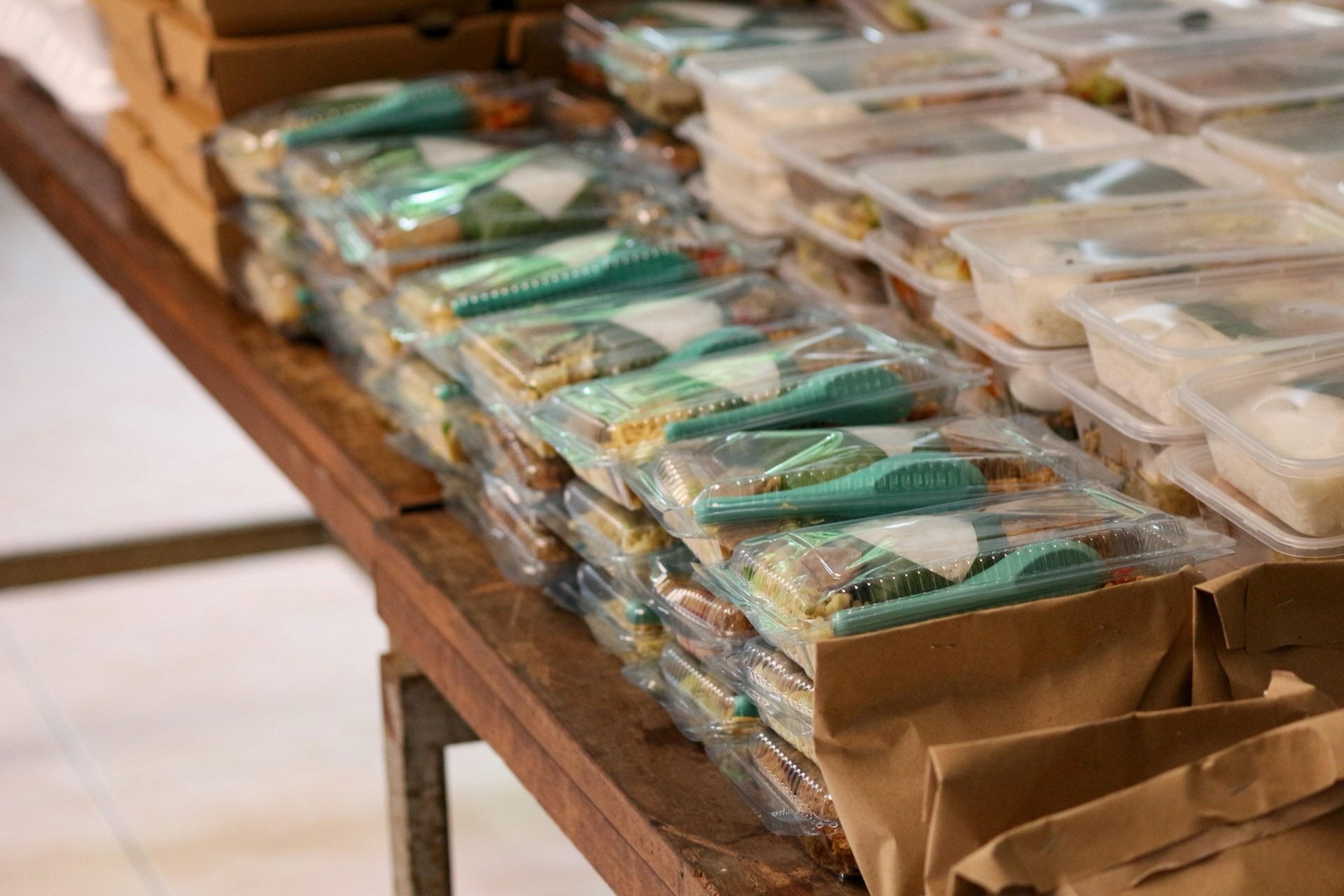
Takeout isn’t just a convenience anymore—it’s a lifestyle. Whether you’re running a cozy café or a high-traffic restaurant, packaging has probably become one of your biggest daily concerns.
You need something fast, affordable, and practical. That’s why so many food businesses lean on disposable plastic containers. They’re cheap, easy to stack, and they don’t complain when soup spills. But the question is: at what cost?
The Real Costs Behind “Cheap” Packaging
You already know this—every penny counts. But what seems like a smart choice in the short term might actually hurt more in the long run. Think about those flimsy lids that don’t close right. Or the containers that crack under pressure. You get customer complaints, bad reviews, and maybe even refund requests. That’s not just annoying. It eats into your profit.
There’s also the bigger picture. Cities and communities are starting to crack down on single-use plastic. Some areas even impose extra charges or taxes if you’re using materials that don’t meet environmental standards. So suddenly, that “cheap” container is costing you more, financially and reputationally.
Plus, let’s be honest. Customers notice. If your packaging feels like an afterthought, your food might feel that way too. And that is bad for business.
What Today’s Customers Actually Want
Consumers have changed. Fast. Especially the younger crowd—Gen Z and Millennials—they pay attention. They ask questions. “Is this recyclable?” “Why is there so much plastic in this order?” Sometimes they even post about it.
You might think they’re being dramatic. But for them, it’s not just about convenience. It’s about values. They want their dollars to support businesses that care, even if it’s something as small as better packaging.
And here’s the thing—they’re not expecting perfection. They just want effort. A sign that you’re paying attention. That you give a damn about more than just sales.
Balancing Act: How to Stay Profitable Without Going Overboard
Now, you’re probably thinking: “I want to do better, but not at the expense of my margins.” Fair.
The good news is you don’t have to flip your whole system overnight. You can ease into smarter choices. Maybe start with switching out utensils. Or finding lids that are compostable. Maybe your coffee cups go green first.
Mix it up. Use eco-friendlier options for your dine-in customers. Stick with traditional containers for high-volume delivery orders until you find better alternatives.
Also, shop smarter. Sometimes the right supplier can give you a better deal than you’d expect. And if you’re ordering in bulk, ask for discounts. A lot of eco packaging companies are open to negotiation—especially if they know you’re serious.
It’s not about being perfect. It’s about making progress.
Materials Matter: What to Consider When Choosing Packaging
You’ve got options. But let’s not pretend all of them are great for every situation.
● Plastic: It’s durable and keeps liquids from leaking, which is great. But it’s under fire—environmentally and sometimes legally.
● Cardboard or paper-based packaging: Better for the planet. But not always sturdy, especially with greasy or saucy foods.
● Compostable or biodegradable options: These are popular right now. They show your customers that you’re making an effort. But they’re not always cheap. And sometimes, they still need special disposal methods.
There’s no one-size-fits-all answer. If you sell salads, you’ll need something totally different from someone who serves curry. Think about the food you serve. Then think about how it travels. A good packaging decision supports both.
And don’t forget—packaging is part of the customer experience. It’s not just about what protects the food. It’s about what it says: “Hey, we care about your meal and everything that comes with it.”
As our world evolves, customers expect more of the brands they support–this includes how their food arrives at their door. You don’t have to become an eco-warrior–simply showing an interest and trying will go a long way toward winning customers over. Packaging speaks before food ever does, so it helps if your brand looks for sustainable packaging ideas that meet both its goals and budgetary constraints. There are plenty of creative solutions out there–it just requires being willing to experiment with a few different ones until something works for them!