

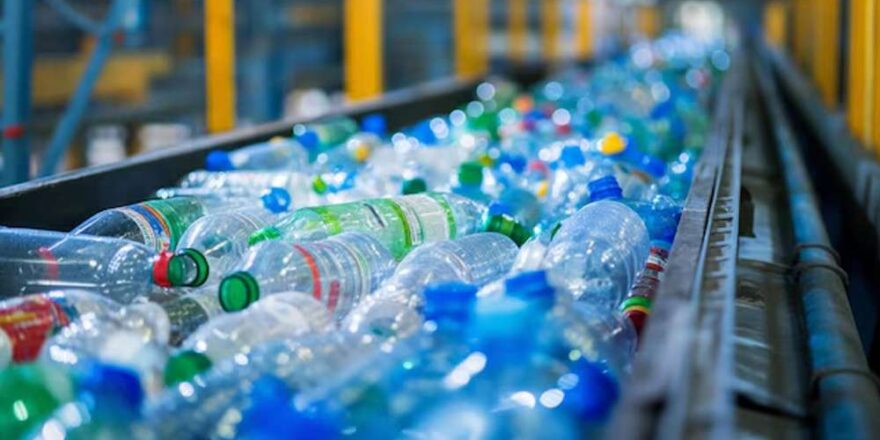
Plastic waste maintains a place among the most pressing environmental issues faced during the current time span. Plastic recycling has grown in importance because of rising plastic production alongside increased consumption thus becoming essential for waste minimization alongside sustainability support. Plastic recycling process used plastic products through multiple operational stages to make them suitable for secondary use while decreasing pollution risks and preserving natural resources. The following article discusses why plastic recycling matters along with its techniques as well as current obstacles and upcoming trends.
Why Plastic Recycling is Essential
Plastic recycling cuts down the environmental crisis by accomplishing two vital objectives:
a. Huge amounts of plastic waste accumulate in landfills because these materials require hundreds of years to decompose.
b. The recycling process for plastic helps save natural resources by decreasing the dependence on petroleum-based materials.
The creation process of recycled plastic items needs less energy than creating new plastic from scratch.
Plastic waste causes damage to wildlife and ecosystems because it minimizes pollution and creates both marine and land pollution. Recycling helps mitigate these effects.
The Circular Economy benefits from recycled plastics because they can go back into manufacturing operations thus cutting down on fresh raw material requirements.
The Plastic Recycling Process
Plastic recycling processes involve several key stages to convert waste into reusable materials. The process includes:
- Collection and Sorting
Plastic waste collection begins as the first recycling step through various sources that include residential areas and commercial enterprises and industrial clearing stations. The plastic materials move onward to recycling facilities where they start a sorting operation through type determination together with colour analysis and resin classification identification. The combination of advanced sorting equipment which incorporates both near-infrared (NIR) scanners alongside AI-based systems leads to superior efficiency during plastic separation.
- Cleaning and Shredding
The plastics undergo extensive cleaning procedures, which eliminate all types of impurities, from labels to adhesives to food residues. The process prevents hazardous substances from harming the quality of recycled materials. The shreds of cleaned plastic materials transform into tiny granules through the shredding process for better handling in later manufacturing operations.
- Identification and Classification
A density separation process follows shredding so different plastic polymer types can be identified. During density separation polyethylene plastic floats at the surface but polyethylene terephthalate plastic sinks to the bottom. The proper classification of materials stands essential for achieving pure recycled plastic products.
- Melting and Pelletizing
Plastic flakes receive controlled temperature heating which leads to their conversion into pellets during an extrusion process. The pellets obtained during this stage are utilized as material inputs that decrease the manufacturing requirements of new plastic products.
- Manufacturing New Products
The recycled plastic pellet production step results in various products such as packaging materials together with textiles, automotive parts and household goods. The plastic recycling company Banyan Nation operates as India’s premier plastic reprocessing facility that specializes in producing traceable high-quality recycled resins intended for the FMCG market.
Types of Plastic Recycling
Plastic recycling can be broadly categorized into three types:
1. Mechanical Recycling
The physical manufacturing process of plastic materials for new products retains their chemical integrity through mechanical recycling. PET along with HDPE and PP plastics undergo this method of treatment in order to produce new materials that appear in bottles and containers.
2. Chemical Recycling
Feedstock recycling also operates under the name of thermal or catalytic processes to convert plastics into their original chemical breakdown. The result of chemical recycling includes separated components that enable the production of new plastic products thus proving beneficial for plastic mixtures and polluted materials.
3. Energy Recovery
Plastics burn down through incineration methods to produce energy. Energy recovery helps waste reduction but provides less sustainability because it lacks material reuse capabilities.
Challenges in Plastic Recycling
Despite its benefits, plastic recycling faces several challenges:
- Contamination – Inadequate separation of different plastics with accidental contamination during recycling operations results in diminished effectiveness of the overall recycling process.
- Economic Viability – The expenses associated with plastic collection followed by sorting and processing present financial barriers to difficulty to recycling businesses.
- Limited Recycling Infrastructure – The shortage of available recycling facilities throughout different areas results in reduced recycling performance.
- Downcycling – Recycled plastics very frequently lose their quality through the process of downcycling which prevents their use in high-performance applications.
- Consumer Awareness – A lack of consumer understanding about recycling etiquette results in poor waste management practices between people.
The Role of Banyan Nation in Plastic Recycling
The company offers rPE & rPP Resins which represent superior-quality industrial-grade recycled polyethylene (rPE) and polypropylene (rPP).
Banyan Nation enables brands to meet their EPR obligations through EPR & Plastic Credits.
Banyan Nation’s Key Offerings:
rPE & rPP Resins provide industrially applicable quality recycled polyethylene as well as polypropylene materials.
The company provides assistance to brands who need to meet their requirements for Extended Producer Responsibility through EPR & Plastic Credits.
- Advisory Services – Providing expert consultation on sustainable plastic waste management.
- Recyclability Assessment – Evaluating the recyclability of plastic materials for improved waste reduction.
The Future of Plastic Recycling
Research indicates that plastic recycling developments will become more promising due to enhanced technologies alongside growing public knowledge about plastic sustainability.
Key trends include:
a. Smart Recycling Technologies uses Artificial Intelligence to operate sorting systems and blockchain to implement product tracking technologies which optimize efficiency.
b. The market develops sustainable plastic solutions which serve as eco-friendly alternatives for traditional petrochemical plastics.
c. Public sector authorities worldwide formulate better policies to promote sustainable packaging combined with recycling programs.
d. Companies now implement circular economy models for effective plastic material reuse and recycling procedures.
Endnote
The pathway to sustainable development includes plastic recycling as a fundamental element. Learning about plastic recycling processes and practice of sustainable habits enables both people and organizations to actionably decrease plastic waste along with resource conservation. Through continuous innovation and dedication we will transform waste plastic into beneficial resources which will result in developing a cleaner environmentally-friendly planet.
Everyone must unite behind the initiative that will build our sustainable future. Initiate recycling now to become a part of this positive change.