

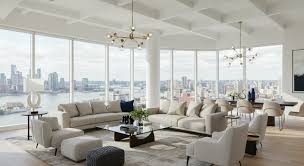
Understanding the Power of First Impressions
When potential buyers step into a home, their first few seconds set the tone for the entire experience. Subtle details—such as lighting, layout, and even the scent of a room—play a powerful role in shaping emotional responses. Home staging is not just about decoration; it’s about crafting an environment that instantly connects with people on a psychological level. A thoughtfully staged home helps buyers visualize themselves living there, fostering a sense of comfort and belonging from the moment they walk through the door.
In today’s competitive real estate market, presentation can make the difference between a quick sale and months of inactivity. This is where experts like Greylyn Wayne demonstrate how psychology-driven design principles influence buyer perception and decision-making. By strategically arranging furniture, choosing harmonious color palettes, and maximizing natural light, home stagers create inviting spaces that appeal to emotion as much as aesthetics.
The psychology behind home staging extends beyond aesthetics; it’s deeply rooted in how people respond to their surroundings. A well-staged space triggers emotional engagement, helping buyers form a subconscious attachment that can translate into stronger offers and faster closings.
Emotional Triggers in Home Staging
A home isn’t just a structure; it’s a personal sanctuary. Understanding emotional triggers allows stagers to design with intention. Warm, neutral tones often evoke feelings of relaxation and comfort, while a touch of greenery can symbolize renewal and vitality. These details communicate a sense of calm and security, which are among the top emotions buyers seek when exploring new properties.
Lighting also has a significant influence on mood. Natural light makes rooms appear larger, brighter, and more inviting, while soft artificial lighting enhances warmth and coziness during evening showings. Professional staging considers these psychological nuances to craft an environment that feels “just right.” Buyers may not consciously identify why they like a home, but they feel drawn to it nonetheless.
Another crucial aspect of home staging psychology is spatial perception. Rearranging furniture to open up pathways and create flow makes rooms appear larger and more functional. Even small adjustments, such as placing mirrors strategically, can amplify space and light. These subtle cues work together to convince the mind that the property is spacious, balanced, and move-in ready.
Creating Connection Through Sensory Design
The five senses play an integral role in home staging success. Beyond visual appeal, tactile elements—like soft fabrics, smooth surfaces, or textured décor—invite touch and create a deeper connection with the space. A gentle fragrance, such as citrus or vanilla, can leave a lasting impression that buyers subconsciously associate with freshness and warmth. Sound, too, contributes to the atmosphere; soft background music or natural sounds can enhance relaxation and engagement.
Greylyn Wayne emphasizes sensory design as a cornerstone of modern staging. The goal is to create a multisensory experience that resonates with visitors from the moment they enter. When all senses are harmonized, the emotional impact becomes memorable and persuasive. This holistic approach encourages potential buyers to envision the property as their future home, not just another listing.
The Role of Neutral Design in Buyer Psychology
One of the most effective strategies in home staging is the use of neutrality. While personalization gives a home character, too much of it can make it difficult for buyers to picture themselves living there. A neutral palette—think soft whites, grays, and beiges—serves as a blank canvas that appeals to a wider audience. It allows imagination to flourish without distraction.
Neutral design also conveys a sense of cleanliness and modernity, which are major psychological motivators. Buyers tend to associate minimal clutter and clean lines with higher quality and better maintenance. When combined with strategic lighting and balanced décor, these design choices subtly communicate value and care.
Cognitive Ease and Decision-Making
Cognitive ease refers to how effortlessly the brain processes information. In real estate, this concept plays a key role in buyer decision-making. A staged home with clear layout, balanced proportions, and consistent design cues feels easier to understand and navigate. This sense of clarity reduces buyer hesitation and creates a perception of order and comfort.
Every visual and spatial choice contributes to cognitive ease—from how furniture aligns with architectural features to the way accessories reinforce a cohesive style. The smoother the mental experience, the more positive the emotional response. Home staging, therefore, is about minimizing friction and maximizing flow, ensuring that nothing disrupts a potential buyer’s journey through the home.
The Subtle Influence of Storytelling
Successful staging tells a story. Each room should convey a purpose and evoke a feeling—whether it’s a cozy reading nook that suggests relaxation or a dining area set for an evening with friends. Storytelling gives context to the space and helps buyers imagine their own experiences unfolding within it.
This narrative-driven approach transforms empty rooms into meaningful environments. A staged home with an emotional storyline can be far more persuasive than a bare one. The goal isn’t to overwhelm with decoration but to guide imagination through subtle, purposeful design choices that inspire emotional resonance.
From Psychology to Practice: Turning Insights into Sales
Applying psychological principles to home staging is both an art and a science. Understanding what drives emotional connection and decision-making allows stagers to tailor each element with precision. From lighting and layout to scent and sound, every choice influences perception. The result is a powerful marketing tool that enhances appeal and accelerates sales outcomes.
Professional stagers who master these principles not only elevate property value but also reduce time on the market. In an industry where first impressions can define success, a psychologically informed approach is invaluable.
Conclusion: Crafting Emotion Through Design
The psychology behind home staging reveals that selling a home is about more than aesthetics—it’s about connection. By engaging the senses, evoking emotion, and creating mental ease, staging turns spaces into experiences that linger in memory.
Through this thoughtful approach, Greylyn Wayne demonstrates how understanding human behavior transforms real estate presentation. When design psychology meets practical strategy, every detail works together to leave buyers with one lasting thought: This feels like home.