

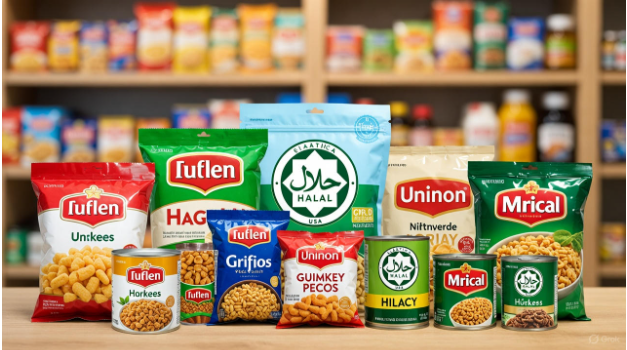
The global halal market is undergoing a significant transformation, and American businesses can no longer afford to overlook the potential of the Muslim consumer market. With an estimated worth of $2 trillion, the Muslim community in the USA presents a lucrative opportunity for businesses that are willing to adapt to their preferences and values. In this blog post, we will explore the importance of halal certification, the rise of halal personal branding, and why American brands must prioritize these strategies to tap into this growing market.
Understanding Halal
Halal, meaning “permissible” in Arabic, refers to what is allowed or lawful under Islamic law. While halal is often associated with food, its principles extend to various aspects of daily life, including finance, beverages, cosmetics, and even pharmaceuticals. As awareness of halal products increases, so does the demand for halal certification services in the USA.
The Importance of Halal Certification
For businesses eager to engage with Muslim consumers, obtaining halal certification from recognized US halal certifiers is essential. This certification not only ensures compliance with Islamic dietary laws but also builds trust with consumers. The credibility of halal certification providers plays a significant role in attracting a loyal customer base. Companies that invest in halal certification are positioning themselves as leaders in this niche market.
The Growth of the Muslim Consumer Market in the USA
The Muslim population in the USA has witnessed significant growth in recent years, influenced by factors such as immigration and higher birth rates. According to a Pew Research Center report, the number of Muslims in the U.S. is projected to reach nearly 8 million by 2050. This demographic shift brings with it increasing purchasing power, making it an attractive target for businesses across various sectors.
With a substantial increase in spending on halal-certified products, American brands need to recognize the importance of catering to this growing market. One of the most effective ways to do so is by partnering with reputable halal certification companies. By doing so, brands can not only cater to the dietary needs of Muslim consumers but also tap into a broader customer base that values ethical and quality products.
Halal Personal Branding
As the halal market expands, so does the concept of halal personal branding. Entrepreneurs are now recognizing the value of halal personal brand certification, which aligns their businesses with Islamic values. This trend allows them to connect with Muslim consumers on a personal level, fostering loyalty and trust.
Halal personal branding goes beyond just food products; it encompasses lifestyle choices and ethical considerations. Brands that emphasize halal values in their marketing strategies are likely to resonate with consumers who prioritize integrity and authenticity.
Halal Certification Private Label Brands
Private label brands are another segment experiencing rapid growth within the halal market. Many companies are opting to create their own halal-certified products, appealing directly to the Muslim consumer base. By collaborating with halal certifiers, these brands can ensure that their products meet the necessary standards and gain credibility among consumers.
The rise of halal certification private label brands also reflects a shift in consumer behavior. Many Muslims prefer to buy halal products from brands they trust rather than relying solely on mainstream options. This trend creates significant opportunities for businesses willing to invest in halal certification and build reliable private label offerings.
Why American Brands Must Get Involved
American businesses that ignore the halal market risk missing out on a highly lucrative opportunity. The growth potential is vast, given the increasing Muslim population and the accompanying rise in demand for halal products. Brands that embrace halal certification services in the USA are not only tapping into a niche market but also aligning themselves with values that resonate with a broader audience.
By pursuing halal certification, businesses demonstrate their commitment to quality, ethics, and customer satisfaction. This commitment can enhance brand reputation and create a competitive advantage in the marketplace.
Navigating Challenges
While the potential rewards are substantial, American businesses may face challenges when entering the halal market. Misunderstandings about halal certification and its requirements can lead to missteps in product development and marketing. To mitigate these risks, businesses should collaborate closely with reputable halal certification providers to ensure they are meeting all necessary standards.
Additionally, education plays a crucial role in the successful integration of halal products into mainstream markets. Many consumers, both Muslim and non-Muslim, may have limited knowledge of halal principles. Businesses can bridge this gap through informative marketing campaigns that explain the benefits of halal products, increasing overall acceptance in the market.
Collaboration and Community Engagement
American brands seeking to capitalize on the halal consumer market should consider partnerships with organizations that specialize in halal certification. Halal Watch World, for example, is an excellent resource for businesses looking to navigate the halal landscape. This organization offers valuable insights and guidelines to help companies understand halal certification providers and optimize their marketing strategies for success.
Conclusion
The rise of the halal market presents a golden opportunity for American businesses to engage with the $2 trillion Muslim consumer market. By prioritizing halal certification, embracing halal personal branding, and considering private label products, brands can position themselves for success in this expanding market. As more businesses recognize the importance of halal, the impact on the market will only grow, paving the way for a more inclusive and diverse consumer landscape.
American brands that are proactive in addressing the needs of Muslim consumers will not only thrive but will also become leaders in a market that is rich in potential and opportunity. The time to act is now—embrace halal and unlock the door to a thriving segment of the American market.