

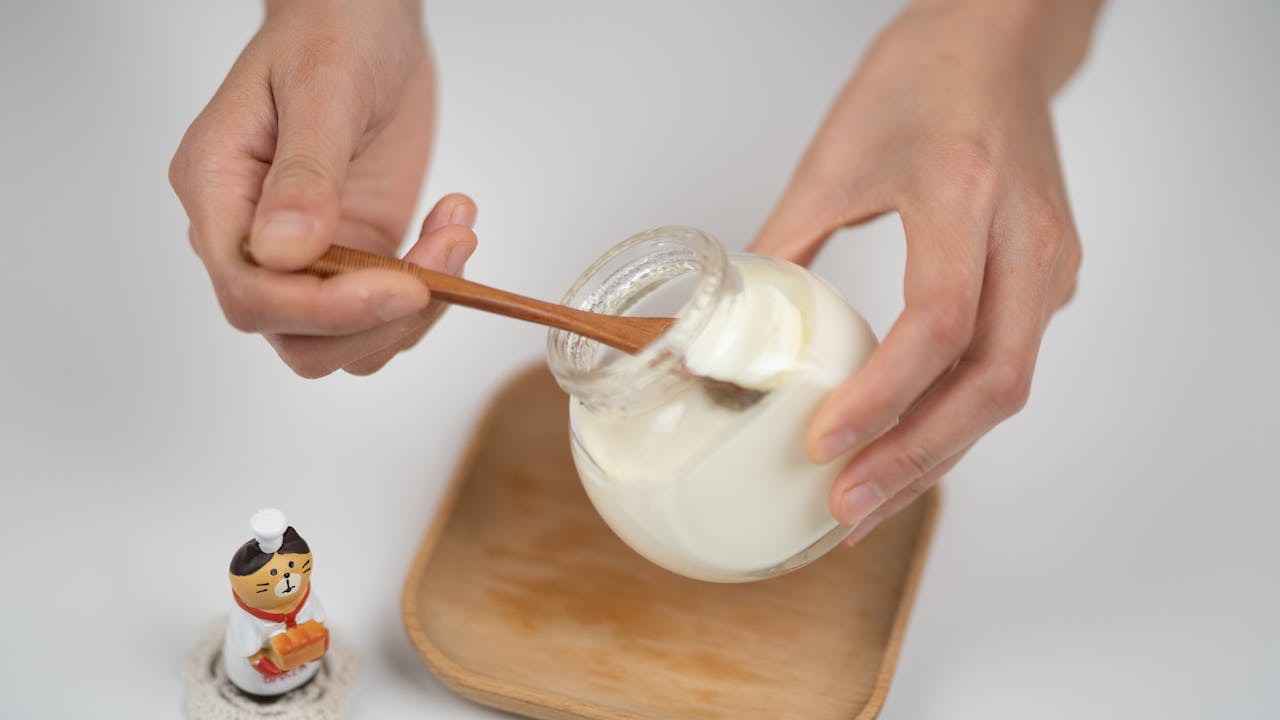
The condition of being histamine sensitive may be like obstacle to everyday comfort. To others, eating some types of foods causes a headache, stomach upsets, or skin reactions, which are hard to identify as a definite cause. The cause of such symptoms lies in the fact that the body is not properly processed with histamine, which is a natural substance that is used in the immune system and digestion. A new development in motivation to deal with histamine sensitivity is the focus on the gut, in particular, on probiotics that can be used to restore the balance.
Knowing about Histamine Sensitivity
Difficulties present when the amount of histamine in the body surpasses its capacity to be dissolved the histamine. This may occur when a person eats products with a large amount of histamine such as aged cheeses, fermented foods or drinks, or when enzymes that break down histamine are not working at their best. Histamine sensitivity does not equate to a food allergy, but the symptoms overlap. Rather, it is concerning the threshold of the body. It is thus important to control histamine consumption and aid the body in its processing.
The Effect of the Gut on Histamine
The gut microbiome is a huge collection of bacteria and other microorganisms that inhabit the digestive tract and have a key role to play in the regulation of histamine. Certain gut bacteria are able to produce histamine, and some are able to break down histamine. A disproportion between these populations of microbes can swing the mechanism towards undue histamine.
This balance can be disrupted by stress, diet, antibiotics, and sickness, all of which cause histamine-producing bacteria to prevail. When this occurs, any traces of histamine in the diet contribute to the symptoms. In comparison, fostering the positive bacteria that aid in the regulation of the histamine level can result in a more tolerant atmosphere, which can decrease the level or rate of reaction.
Probiotics and Their Possible Use
Probiotics are live bacterial organisms that, under suitable dosage, can present health benefits as they help to maintain the balance of bacteria within the gut. They are getting attention due to the fact that not every probiotic works similarly to histamine management.
This is why it is important to select probiotic strains. Studies indicate that some Lactobacillus and Bifidobacterium species can have a more neutral or beneficial action as far as histamine is concerned. These differences are an important aspect in becoming aware of these differences so that probiotics become a part of a supportive strategy and not a factor that unwittingly contributes to symptoms.
Selecting the Ideal Probiotics Strains
In the case of probiotics and histamine sensitivity, it is no longer just a matter of taking a probiotic, but rather it is the search for certain strains of probiotics that would not cause the production of histamine. Here is where the idea of low histamine probiotics comes in. These include probiotic supplements, which have been designed or chosen using strains that have been known to reduce the chances of histamine production in the gut.
Tens Bifidobacterium Infantis, Bifidobacterium breve, and Lactobacillus plantarum are commonly mentioned as better options to be used by sensitive individuals. On the other hand, there are other Lactobacillus species like Lactobacillus casei, which have been associated with histamine production and, as such, are not ideal.
Creating a Favorable Lifestyle of Probiotics
Although probiotics can be very useful in the management of histamine sensitivity, it is not the whole puzzle. A wider lifestyle intervention can be of great importance. Trying to change dietary habits and aim at histamine reduction, trying to avoid trigger foods, and concentrating on fresh products and avoiding old or fermented ones is feasible. To have a more resilient digestive system, it can be supported by consuming high amounts of fiber, proper hydration, and reducing stress through consuming foods rich in fiber, sufficient water intake, and eliminating stress.
These strategies, coupled with the carefully selected probiotics, are a more holistic way to go. Rather than the focus on one solution, it is the creation of a situation where the body is able to handle histamine better and more comfortably.
Conclusion
Histamine sensitivity brings out the sensitive nature of the diet, enzymes, and gut health. Although a specific measure does not seem to provide any sure solution, probiotics are proving to be beneficial in a supportive plan. It could be possible to alleviate the symptoms and enhance the quality of life by choosing those strains that have a lower chance of producing histamine and including them in a larger lifestyle effort.