

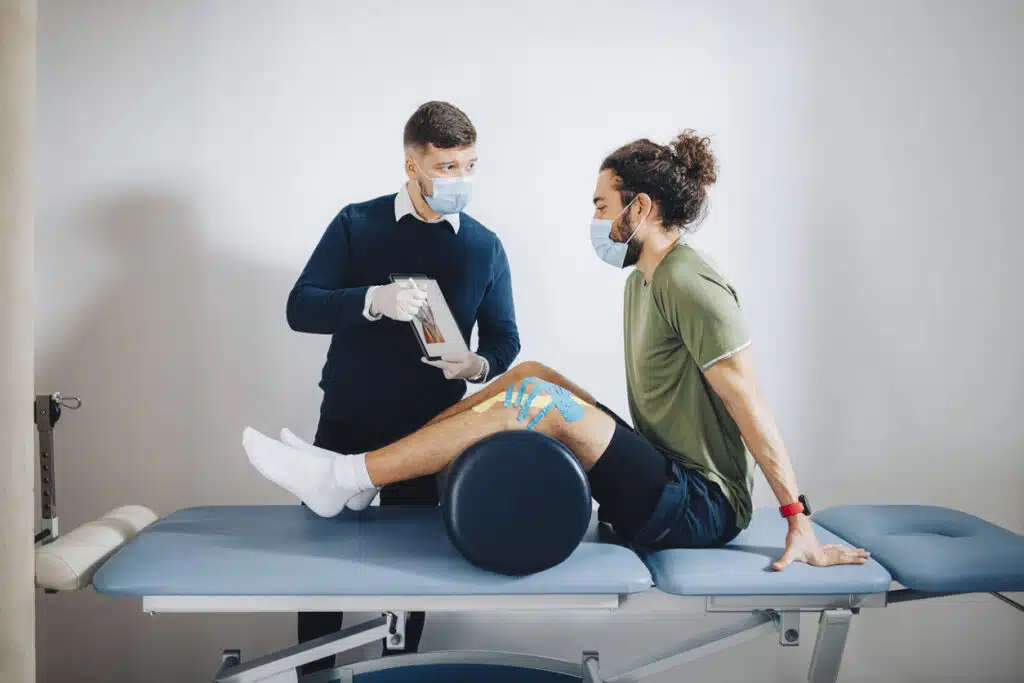
For athletes and active individuals, staying in the game isn’t just about performance; it’s also about preventing injuries before they happen. Sports medicine combines preventive care and expert guidance to reduce the risk of injuries and keep your body performing at its best. Let’s explore how sports and exercise medicine help athletes of all levels stay strong and injury-free.
The Role of Sports Medicine
Preventing injuries is a primary goal of sports medicine. It helps athletes stay in the game and avoid long recovery times. Sports and exercise medicine specialists use techniques like strength training, proper nutrition, and stretching routines to lower the risk of injuries. By focusing on prevention, athletes can perform their best while staying safe.
Identifying Risk Factors
Sports and exercise medicine experts look for factors that increase the likelihood of injuries. They assess how athletes move and identify areas of weakness in their bodies. Poor technique, muscle imbalances, and previous injuries can all increase risk. Weather conditions, equipment problems, and training mistakes also play a role.
Educating Athletes
Teaching athletes about safety is a big part of sports medicine. Professionals show athletes how to warm up properly before playing. They explain why stretching and cooling down after exercise matters. Athletes learn about using the right equipment and keeping it in good condition. They discover how to recognize early signs of injury and when to rest.
Promoting Long-term Health
Sports and exercise medicine looks beyond just preventing immediate injuries. Professionals help athletes develop habits that promote lifelong health. They teach proper training methods that build strength gradually and recovery techniques that help the body heal between workouts.
Understanding and applying the principles of sports and exercise medicine is key for anyone involved in athletics. By focusing on injury prevention, athletes can improve their performance and extend their careers. Consistent care and attention to the body aids long-term health and functionality.
Treatment and Rehabilitation
When injuries do happen, sports medicine provides effective treatment options. The goal is to heal the injury completely and prevent it from happening again.
- Standard Treatment Options: RICE therapy forms the foundation of many sports injury treatments. Rest gives the injured area time to heal. Ice reduces swelling and pain. Compression with bandages or wraps provides support, and elevation helps reduce swelling by using gravity.
- Physical Therapy: Physical therapy plays a key role in sports and exercise medicine treatment. Therapists design specific exercises to address each athlete’s needs. They focus on restoring normal movement patterns and building strength in injured areas. Therapists also teach athletes how to modify their activities during recovery.
- Strengthening Affected Tissues: Rehabilitation programs focus on strengthening injured tissues. Specific exercises target the muscles, tendons, and ligaments around the injury. Progressive loading gradually increases the stress on healing tissues. This approach builds strength while allowing proper healing.
Together, these evidence-based strategies support a comprehensive and effective approach to recovery.
Book Your Sports Medicine Consultation Today
Sports and exercise medicine offers athletes, coaches, and parents tools to prevent injuries and optimize performance. The combination of injury prevention, proper treatment, and rehabilitation creates a comprehensive approach to athletic health. Contact a sports medicine professional today to discuss how they can help you or your athlete stay safe, strong, and competitive.