

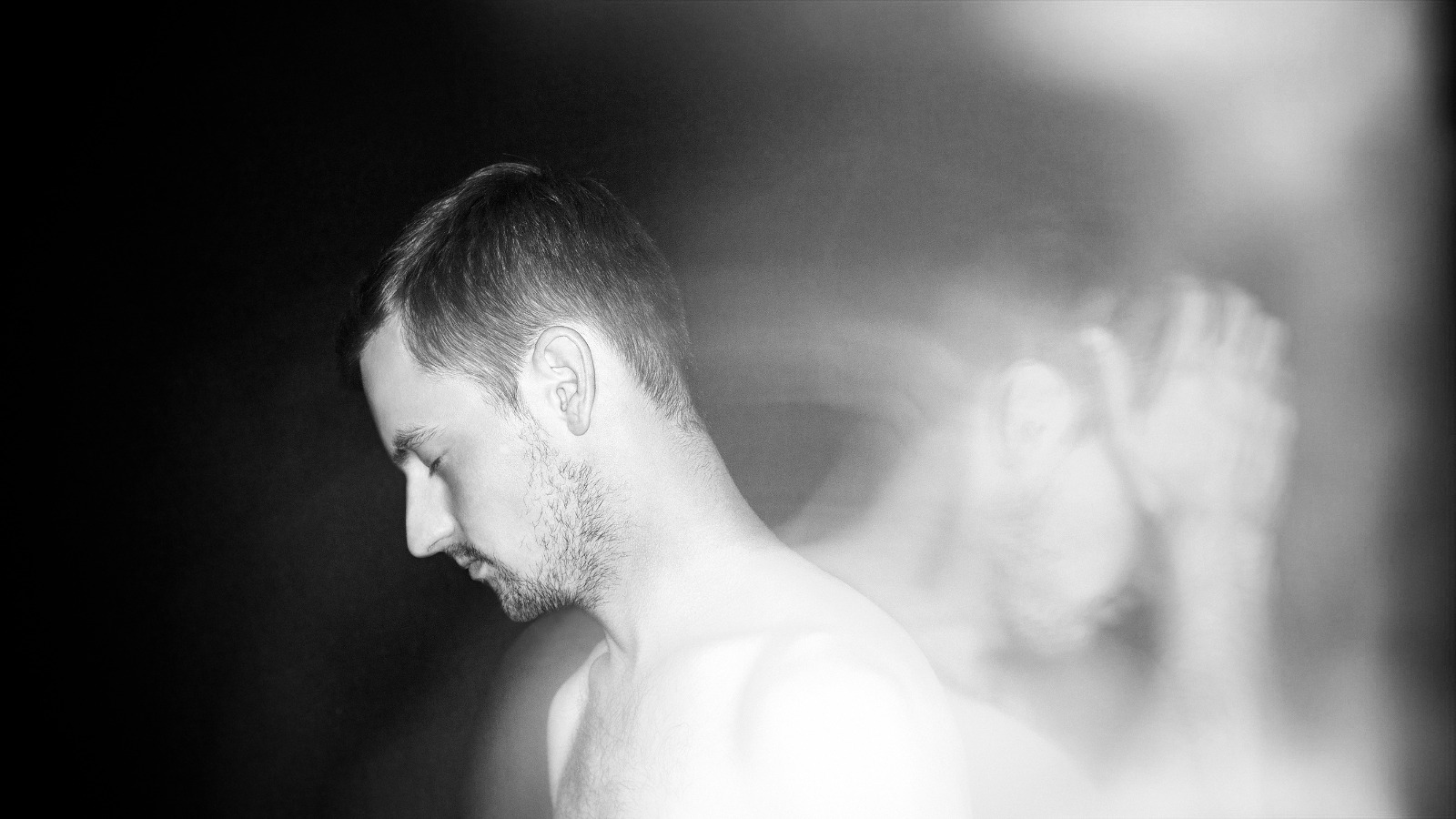
A Coffee, a Stranger, a Thought
It all started one morning, sitting in a café with my notebook. The man at the table next to me stirred his coffee endlessly, never drinking it. His leg bounced like it was listening to music only he could hear. When the waitress smiled, he didn’t smile back. He looked like he was somewhere else entirely. I wondered: What is it like to carry a storm inside you when the world expects sunshine?
That’s when I began reading about personality disorders—not as a doctor, not as an expert, but as a curious traveler who believes that behind every face there’s a novel waiting to be read.
The Invisible Maps of the Mind
We all grow up with invisible maps. These maps tell us who we are, how to love, how to fight, how to survive. For some, the lines are clear and the roads predictable. For others, the map feels broken, confusing, full of detours that lead nowhere.
A personality disorder is like having one of those difficult maps. It isn’t about being “crazy” or “dangerous.” It’s about having patterns of thought, feelings, and behaviors that make daily life harder—relationships, work, even being at peace with yourself.
And yet, isn’t it true that we all sometimes feel lost on our maps? Maybe that’s why the subject fascinates me: it’s not them versus us. It’s a spectrum, and maybe we all share a few pages of the same complicated story.
The Many Faces of the Storm
Doctors divide personality disorders into clusters, as if trying to put order in the chaos:
- Cluster A: The “odd and eccentric” ones. People who see connections others don’t, who might seem distant, suspicious, or lost in their own universe.
- Cluster B: The dramatic, emotional storm. Here are the stories of intensity—love that burns too bright, anger that arrives like thunder, lives lived on the edge.
- Cluster C: The anxious, fearful patterns. Those who live in doubt, in hesitation, in the fear of being abandoned or judged.
But lists and categories can feel cold. The truth is, behind every diagnosis there’s a human being who wakes up in the morning, looks in the mirror, and hopes for a day that doesn’t hurt too much.
The Mirror We Avoid
Let me confess something: while reading about these disorders, I started recognizing small reflections of myself. The fear of rejection, the need for control, the way I sometimes run from closeness just when it feels too intense. I thought: What if we all carry tiny fragments of disorder inside us?
Of course, the difference is in degree. For someone with a diagnosed disorder, these fragments become walls, prisons, invisible cages. For the rest of us, maybe they’re just shadows that pass across the room. But isn’t it humbling to realize how thin the line can be?
Living Beside the Storm
Imagine being in love with someone who has a personality disorder. At first, you’re drawn by the intensity, the mystery, the uniqueness. Then, slowly, you find yourself on a roller coaster: one day adored, the next day rejected; one moment in paradise, the next in silence.
Or think of being the friend who tries to help, the parent who feels helpless, the colleague who doesn’t understand why the other person reacts so strongly to what seems small. It isn’t easy. It requires patience, compassion, and sometimes distance, too. Because love doesn’t mean saving someone. Love means standing by them while they try to save themselves.
The Courage to Seek Help
There’s a moment, and it’s the most difficult one, when someone says: I can’t do this alone. Therapy, medication, group support—these words can sound heavy, but they are keys. Keys that open doors to new maps, healthier patterns, new ways of walking through the world.
I think of that man in the café. What if he had someone to talk to? What if, instead of silently stirring his coffee, he could tell someone about the chaos in his head? Sometimes healing begins with the simplest act: saying out loud what hurts.
Beyond the Label
We live in a time of labels. Introvert, extrovert, anxious, avoidant, narcissist. It’s easy to reduce people to one word, like sticking a price tag on a book without reading the story inside. But a personality disorder isn’t a label—it’s a reality lived every day, in small gestures, in quiet battles nobody sees.
The real challenge is to look beyond the label, to see the person. To see the dreams they still carry, the love they can still give, the art they might create from their struggles.
The Map We Can Draw Together
If I’ve learned anything, it’s that mental health is not just about the individual. It’s about the world around them. How we listen, how we judge, how we build spaces where people feel safe to be imperfect.
Maybe the future isn’t about erasing disorders, but about building societies that know how to walk with them. To accept that some maps will always be messy, and that’s okay.
And maybe, just maybe, the man in the café wasn’t broken. Maybe he was teaching me something: that even in silence, in storms, in endless stirring of coffee, there’s a story worth listening to.