

Air quality is an often-overlooked factor in children’s health, yet it plays a crucial role in their overall well-being. While many parents focus on diet, exercise, and routine check-ups, the air children breathe daily can have a lasting impact on their respiratory health. Poor air quality has been linked to increased risks of asthma, allergies, and other respiratory conditions, particularly in young children whose lungs are still developing. Since kids breathe more rapidly than adults, they inhale more air relative to their body weight, making them more susceptible to airborne pollutants. Exposure to poor air quality, whether from outdoor pollution or indoor allergens, can cause chronic health issues if not addressed early. Even minor respiratory symptoms, such as coughing or congestion, may indicate that a child is reacting to pollutants in their environment.
Air pollution isn’t just an outdoor issue; many harmful pollutants exist inside homes, schools, and daycare centers. Indoor air quality can be compromised by dust mites, pet dander, mold, and chemicals from household products, all of which can trigger respiratory problems in children. Poor ventilation can further worsen air quality, allowing contaminants to build up and increase exposure. Children with pre-existing conditions like asthma may experience more frequent flare-ups when exposed to polluted air for extended periods. Even in homes that appear clean, airborne irritants can linger in carpets, furniture, and air ducts, posing an invisible threat. Recognizing the warning signs—such as frequent allergies, persistent coughs, or difficulty breathing—can help parents identify air quality issues before they escalate.
The Hidden Impact of Air Quality on Children’s Health
Many parents go to great lengths to keep their children healthy, focusing on proper nutrition, exercise, and regular doctor visits. However, one crucial factor that often gets overlooked is the air children breathe every day. Air quality, both indoors and outdoors, plays a critical role in a child’s overall well-being. Poor air quality has been linked to respiratory problems, allergies, and even long-term developmental concerns. Since children’s lungs are still growing and they breathe faster than adults, they are more vulnerable to airborne pollutants. Their immune systems are also still developing, which means exposure to harmful air contaminants can lead to more frequent illnesses and long-term sensitivities.
From outdoor pollution caused by vehicle emissions to indoor allergens like dust and mold, children are constantly exposed to air that may not be as clean as it seems. Parents may not always notice the signs of poor air quality, but frequent coughing, congestion, and allergy symptoms can indicate that a child’s environment is affecting their health. The effects of air pollution can build up over time, leading to chronic respiratory conditions if left unaddressed. Understanding these risks and making simple changes can help improve air quality and reduce the chances of long-term respiratory issues. Parents play a key role in creating a cleaner environment for their children by monitoring indoor air and minimizing exposure to harmful pollutants. By taking small but meaningful steps, families can significantly improve their children’s respiratory health and overall well-being.
How Poor Air Quality Affects Children’s Respiratory Health
Children’s developing respiratory systems make them more sensitive to airborne pollutants. Common air contaminants, such as smoke, dust, and chemical fumes, can irritate the airways and trigger conditions like asthma or bronchitis. In cities where pollution levels are high, children may experience more frequent respiratory infections and persistent coughing. Even mild symptoms, if ignored, can lead to chronic lung conditions in the future. Since children spend a significant amount of time playing outdoors, they may unknowingly inhale large amounts of polluted air, further increasing their risk of respiratory problems. Their smaller airways make them more susceptible to inflammation and irritation caused by environmental pollutants.
Indoor air can also contribute to respiratory issues. Many homes contain allergens like pet dander, mold spores, and household chemicals, which can cause breathing difficulties, especially for children with asthma. A child who frequently experiences wheezing, congestion, or shortness of breath may be reacting to poor indoor air quality. If these symptoms persist, visiting a pediatrician near me can help determine if air pollution is playing a role in their respiratory health. A medical professional can conduct tests to identify triggers and recommend changes to improve air quality. Addressing air-related health concerns early can prevent long-term complications and ensure that a child’s lungs develop properly.
The Link Between Air Pollution and Childhood Allergies
Airborne pollutants do more than affect breathing—they can also trigger or worsen allergies. Pollen, dust mites, and airborne chemicals can cause sneezing, itchy eyes, and skin irritation in sensitive children. Over time, continued exposure to these allergens can weaken the immune system and make symptoms more persistent. Parents may notice that their child’s allergy symptoms worsen during certain seasons or in specific environments, which can indicate exposure to airborne triggers. If left unmanaged, allergies can interfere with a child’s daily activities, making it harder for them to focus in school and enjoy outdoor play. Long-term exposure to allergens can also increase the risk of developing more severe respiratory conditions later in life.
Children with undiagnosed allergies may experience frequent sinus infections, ear infections, or unexplained skin rashes. Since allergies can sometimes mimic cold symptoms, parents may not immediately recognize the connection to air quality. Consulting a pediatric allergist can help identify specific triggers and provide guidance on reducing exposure. Allergy testing can reveal whether environmental factors, such as mold or pet dander, are contributing to symptoms. Once the triggers are identified, parents can take steps to create a cleaner, safer environment for their children. By managing allergies early, families can improve their child’s quality of life and prevent more severe health issues from developing.
Indoor Air Quality: Hidden Pollutants in Your Home
Many parents assume their homes are a safe and clean environment, but indoor air pollution is a growing concern. Everyday household products, such as air fresheners, scented candles, and cleaning sprays, release chemicals that can irritate the respiratory system. Poor ventilation can trap these pollutants inside, making air quality worse over time. If a child frequently experiences unexplained headaches or respiratory discomfort indoors, air contaminants may be the cause. Since children spend much of their time at home, prolonged exposure to indoor air pollutants can significantly impact their health. Some chemicals commonly found in household products have even been linked to long-term respiratory and neurological issues.
Mold is another common indoor air pollutant. It thrives in damp areas, such as bathrooms and basements, and its spores can cause allergic reactions when inhaled. Children exposed to mold may experience chronic coughing, nasal congestion, and skin irritation. If a child shows signs of sensitivity to indoor allergens, scheduling an evaluation with the an allergist can help identify the problem and find solutions for a healthier home environment. In addition to medical treatment, parents can take proactive steps by addressing moisture problems and using dehumidifiers to prevent mold growth. Regular home maintenance and air quality monitoring can make a big difference in reducing indoor air pollution.
The Long-Term Effects of Outdoor Air Pollution on Children
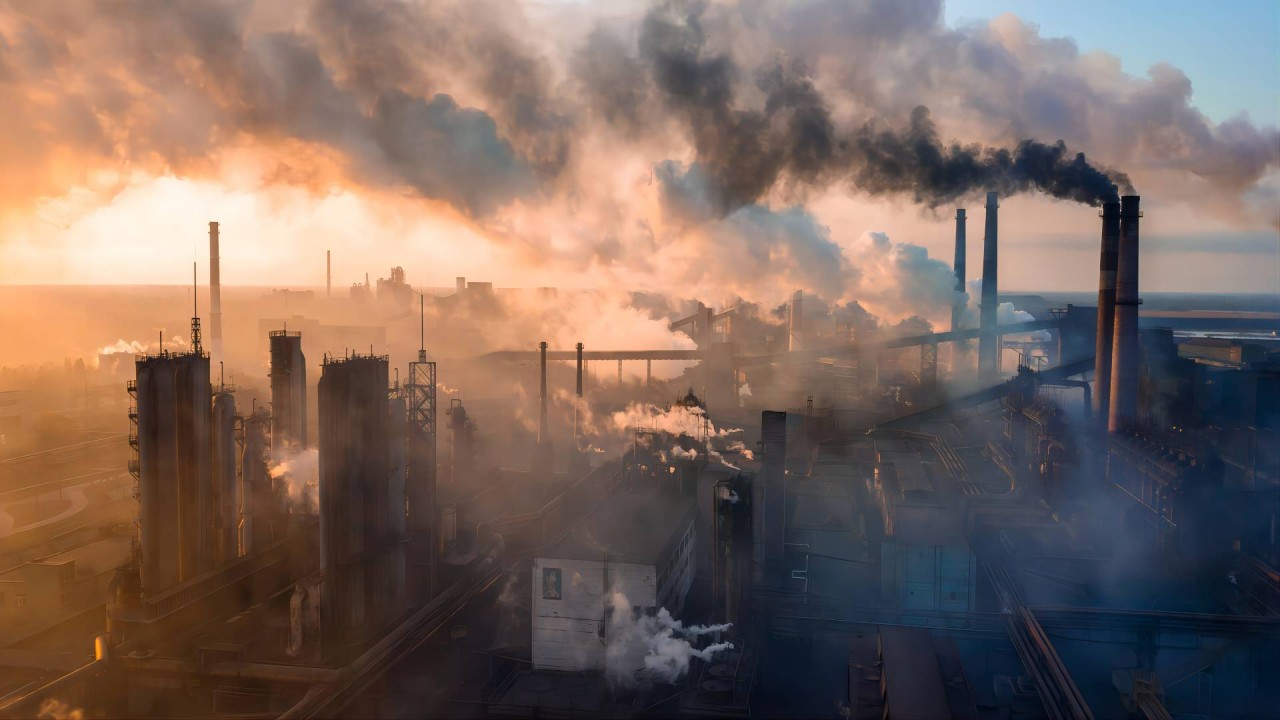
Outdoor air pollution is a significant health risk, especially for children growing up in urban areas. Vehicle emissions, industrial smoke, and airborne toxins can negatively affect lung development, leading to long-term respiratory issues. Studies have shown that children exposed to high levels of pollution are more likely to develop asthma and other chronic lung conditions. This can impact their ability to participate in physical activities and affect their overall quality of life. Polluted air can also reduce lung function over time, making it more difficult for children to recover from respiratory illnesses. Additionally, frequent exposure to outdoor pollutants can lead to inflammation in the airways, further increasing health risks.
Air pollution doesn’t just affect the lungs—it can also impact cognitive development. Research suggests that exposure to high levels of pollutants may contribute to learning difficulties and behavioral problems in children. Parents may not immediately link air pollution to developmental issues, but reducing exposure to outdoor pollutants can have long-term benefits for a child’s health and brain function. While outdoor air quality isn’t always within a parent’s control, avoiding heavy traffic areas and limiting outdoor activities on high-pollution days can help minimize exposure. Planting trees and advocating for cleaner air policies in communities can also contribute to healthier environments for children. Taking an active role in environmental awareness helps ensure that future generations can grow up in cleaner and safer surroundings.
How Parents Can Improve Air Quality at Home
Creating a clean-air environment at home is one of the best ways to protect children from respiratory and allergy-related issues. Improving ventilation by opening windows when possible or using high-quality air filters can help reduce airborne pollutants. Regularly vacuuming carpets and dusting surfaces can also help remove allergens that may otherwise build up in the home. Taking steps to keep the home clean and free of dust can significantly reduce a child’s exposure to harmful airborne particles. Parents should also consider using non-toxic cleaning products to avoid introducing additional chemicals into the indoor environment.
Choosing natural, fragrance-free cleaning products can further improve air quality by reducing exposure to harsh chemicals. Additionally, investing in an air purifier with a HEPA filter can help remove dust, pet dander, and other allergens from the air. Small adjustments, such as washing stuffed animals regularly and keeping pets out of bedrooms, can also make a big difference for children with sensitive respiratory systems. Reducing clutter in the home can minimize the accumulation of dust and improve airflow. By being mindful of the household environment, parents can create a healthier space that supports their child’s well-being.
Final Thoughts
Protecting children from poor air quality is essential for their long-term health and well-being. Since their developing lungs and immune systems make them more vulnerable to pollutants, taking proactive steps to improve air quality can significantly reduce the risk of respiratory issues. Simple actions like improving ventilation, using air purifiers, and reducing household allergens can make a noticeable difference in a child’s health. Additionally, being mindful of outdoor pollution levels and minimizing exposure on high-pollution days can help prevent long-term complications. While some factors may be beyond a parent’s control, making informed choices about indoor environments can create a safer, healthier space for children.
Raising awareness about air quality and its impact on children’s health is a crucial step toward positive change. By recognizing the hidden dangers of both indoor and outdoor air pollution, parents can take meaningful action to protect their children. Prioritizing clean air at home and in the community can contribute to healthier childhood development and fewer respiratory problems in the future. Small changes, such as using non-toxic cleaning products or maintaining proper humidity levels, can have lasting benefits. When parents stay informed and proactive, they help create an environment where their children can breathe freely and grow up healthier.