

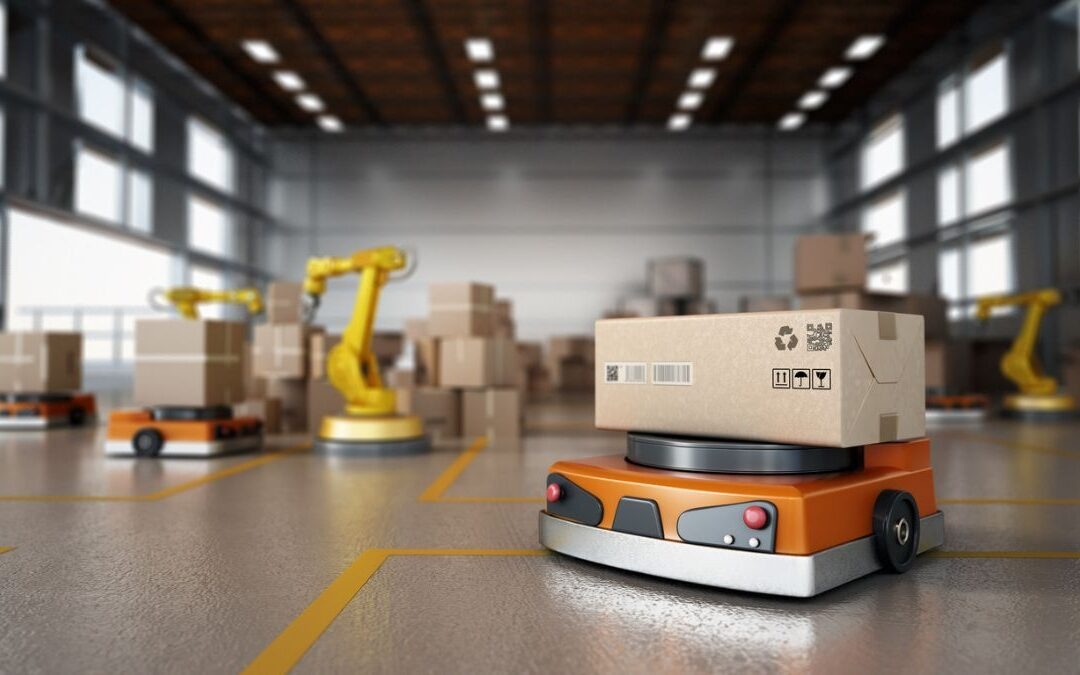
In an age when warehouses are racing to adopt robotics, AI dashboards, and predictive logistics, it’s strange how often storage, the most physical, visible part of the supply chain, gets treated as an afterthought.
Executives proudly invest in warehouse management systems (WMS) and automated conveyors. But then… the actual containers and layout? Still stuck in the early 2000s. Items are crammed into random spaces, stacked with little consistency, and moved in containers designed for a different decade.
It’s like trying to run a Formula One car with worn-out tires. No matter how good the engine is, your infrastructure will drag performance down. Smart teams are finally waking up to this reality, and they’re starting with storage.
Storage Is Still the Most Undervalued Part of the Supply Chain
We’ve glorified visibility and data, which makes sense. Knowing where your stock is, how fast it moves, and what it costs to store is critical. But visibility is only as good as the system underneath it.
The truth is, bad storage creates invisible drag. When containers don’t stack efficiently or can’t be moved easily, you lose speed. When layouts are messy or irregular, you lose time. When goods are stored in oversized or damaged boxes, you lose space, and that space loss translates directly into higher operational costs.
Companies invest millions to optimize every corner of their logistics process, but if your warehouse is still using warped wooden crates or random metal bins that don’t fit your racking, then you’re paying a daily tax in inefficiency.
The Space-Time-Error Triangle
Storage isn’t just about space. It’s about flow.
When your storage system doesn’t match your operational rhythm, everything slows down. Pickers waste minutes navigating cluttered zones. Stock gets damaged because it wasn’t packed or placed properly. Re-picks increase because inventory isn’t easy to locate or sort. These are not minor problems, they’re silent killers of productivity.
And yet, many teams chalk these issues up to “human error” or “staff turnover,” when in reality, it’s the containers and layout that are setting them up to fail.
Space, time, and error are tightly linked. Fix one, and the others often improve. But ignore all three, and your warehouse becomes a bottleneck factory.
What Smart Containers Fix That No One Talks About
Here’s where things start to shift.
Unlike traditional wooden crates or repurposed shipping containers, modern pallet boxes are built with repeat use in mind. They’re modular, sturdy, and designed for real-world abuse, stacked high, moved daily, dropped occasionally.
But what makes them powerful isn’t just their durability. It’s their design logic. They’re shaped to fit neatly into racking systems, optimized for forklifts and hand trucks, and built to hold a serious amount of weight without buckling.
They don’t just store, they support flow. A well-organized warehouse using uniform pallet boxes moves faster, breaks less stock, and processes orders with more consistency.
Smart operators understand this isn’t about flashy upgrades. It’s about fixing the base layer of logistics, the stuff holding everything else together.
According to UK logistics supplier Alison Handling, demand for smarter storage solutions has risen sharply among mid-sized firms aiming to standardize operations without taking on heavy capital costs or warehouse redesigns.
Why Wood and Metal Containers Fall Short
Legacy materials might seem cost-effective, but they bring their own baggage.
Wood warps, splinters, and varies in size, making it unreliable for stacking and dangerous for fast-moving floor teams. Metal bins are sturdy but often too heavy, awkward to maneuver, and prone to denting, which can distort their fit in racking or on conveyors.
Worse, these materials rarely align with modern automation goals. As more warehouses move toward mechanized handling, consistency and compatibility matter more than brute strength.
Plastic pallet boxes bridge the gap. They’re light enough to handle easily, strong enough to endure repeat use, and standardized enough to simplify both stacking and picking.
The Profit Math Behind Smarter Storage
If you walk into a high-performing warehouse, you’ll notice something different: space is treated like currency.
Every square metre matters. Not just for inventory, but for movement. Storage that stacks neatly, nests when empty, and uses vertical space efficiently allows teams to fit more goods into less real estate, without increasing congestion.
This is where older storage models fall short. Randomly sized bins create “air gaps”, wasted vertical space between shelves. Oversized containers eat up racking depth. Non-stackable units require more floor space just to sit safely.
Smart pallet boxes are designed to eliminate this waste. They multiply usable space by fitting into tighter footprints without sacrificing accessibility.
It’s not about storing more, it’s about storing smarter.
Cleaner Layout, Faster Movement
We don’t talk enough about visual order in warehouse design. But walk into a site using a standardized storage system, and the difference is instant.
Uniform containers make everything clearer, for humans and machines alike. Labels are easier to spot. SKUs are more predictable. Zones feel intuitive, not chaotic.
This reduces cognitive load for staff. When pickers don’t have to search through jumbled rows of mixed containers, they move quicker, make fewer mistakes, and reduce re-pick cycles. The floor moves more like a system and less like organized chaos.
Speed isn’t just about automation, it’s about clarity. And storage clarity comes from consistency.
The Rise of Closed-Loop Efficiency
Reusable storage isn’t just a trend. It’s becoming a baseline expectation in many sectors, especially where goods return as frequently as they leave.
In food distribution, pharma, and retail, closed-loop logistics has gained traction. That means containers don’t just get sent out, they come back, cleaned, and reloaded for another trip. In that system, disposable crates make no sense.
Durable, washable pallet boxes that can survive dozens or even hundreds of cycles? That’s the real cost-cutter. They reduce waste, cut packaging spend, and simplify return logistics.
And because they’re stackable and nestable, they save space both in transit and in storage, a double win.
The Storage Tool That Quietly Improves Everything
In high-volume environments, the difference between chaos and control often comes down to how predictable your infrastructure is. Containers that stack cleanly, move easily, and integrate with shelving and transport systems give your team a massive edge.
That’s why many modern fulfillment teams are shifting toward standardized, reusable storage formats, not for the sake of appearance, but for the real-world gains they unlock.
Operations that rely on plastic pallet boxes for business use report tighter inventory lines, fewer product damages, and faster turnaround across everything from picking to dispatch. These containers aren’t just easier to work with, they reduce friction across the board.
And when your containers are consistent, your layout becomes consistent. That’s when optimization truly begins.
It also creates a knock-on effect across departments, from faster inventory counts and smarter replenishment cycles to reduced labor fatigue. Workers can move with more confidence, less double-checking, and fewer safety risks.
In some cases, even shipping accuracy improves, simply because the pick/pack process becomes more structured. When everything has a clear place, and stays there, errors drop, speed climbs, and training time for new staff gets cut in half.
Over time, it’s not just about how much space you save, it’s how much waste you eliminate.
Case Study Logic: What Good Storage Actually Unlocks
Ask any warehouse manager who’s upgraded their storage infrastructure and you’ll hear the same story:
“Things just… run better.”
Truck loading becomes faster because containers line up properly. Damaged shipments drop because goods stay secure. Staff spend less time looking for stock and more time moving it.
And all of this adds up to something that doesn’t show up on most dashboards: reliability.
When your warehouse works the same way every day, with fewer variables and less friction, you become more predictable, and predictability is a rare competitive advantage in supply chains still catching up from the chaos of the last few years.
Final Word: Fix Storage First, Not Last
Here’s the truth: most underperforming operations aren’t broken because of bad staff or underwhelming software.
They’re lagging because the foundation is weak, and in logistics, that foundation is physical. The boxes, bins, racks, and floor layout set the tone for everything else.
Before investing in the next shiny tech or rethinking your staffing model, ask a basic question:
Are we storing things in a way that actually supports speed, accuracy, and scale?
If the answer isn’t a confident yes, then the fix isn’t complicated, but it is overdue.