

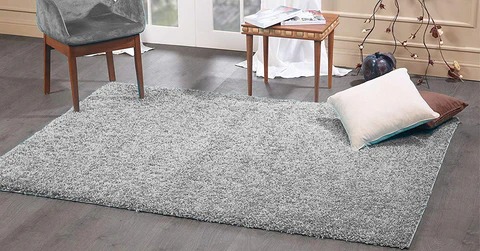
In the ever-evolving landscape of interior design, where trends ebb and flow like the tides, one element has emerged as a steadfast beacon of tactile delight: rugs. Once relegated to mere functional pieces underfoot, rugs have transcended their utilitarian origins to become pivotal players in the orchestration of space and ambiance. As we navigate through a world increasingly defined by digital interactions and minimalist aesthetics, the resurgence of texture particularly in the form of richly woven rugs invites us to reconnect with our physical environments in profound ways. This article explores how this tactile trend is not just about aesthetics; it’s a sensory revolution that enhances our living spaces while influencing our moods and perceptions.
Join me on this journey as we delve into the evolution of interior design from stark minimalism to vibrant maximalism, uncovering how the science of texture can transform your home into a sanctuary. We will examine the nuances of selecting materials, layering techniques for added depth, and how color and pattern can make bold statements all while celebrating the rug’s newfound status as an essential design element that invites touch, warmth, and personality into our lives.
The Evolution of Interior Design: From Minimalism to Maximalism
Interior design has undergone a remarkable transformation over the past few decades, shifting from the clean lines and understated elegance of minimalism to the vibrant, eclectic embrace of maximalism. Minimalism, with its focus on simplicity and functionality, often left spaces feeling stark and impersonal. However, as our understanding of how environments affect our well-being has evolved, so too has our desire for warmth and personality in our homes. Maximalism celebrates individuality and creativity, encouraging us to layer textures, colors, and patterns in a way that tells a story about who we are.
This shift towards maximalism has opened the door for tactile elements like Area Rugs to take center stage in interior design. No longer merely functional pieces underfoot, rugs have become essential tools for creating depth and character within a space. They invite touch and interaction while serving as focal points that can unify or contrast with other design elements. As we embrace this new era of abundance in design choices, rugs offer an exciting opportunity to express ourselves through texture making them not just decorative items but integral components of our living environments.
The Science of Texture: How Rugs Influence Mood and Perception
Texture plays a pivotal role in shaping our emotional responses and perceptions within a space, and rugs are at the forefront of this sensory experience. When you step onto a plush, shaggy rug, for instance, it can evoke feelings of warmth and comfort, instantly transforming an ordinary room into a cozy retreat. This tactile interaction is not just about physical sensation; it taps into deeper psychological effects. Research indicates that textures can influence our mood soft surfaces tend to promote relaxation, while rougher textures may stimulate energy and creativity. By incorporating various rug styles into your home, you can curate an environment that aligns with your desired atmosphere.
Moreover, the texture of rugs can serve as a conversation starter or focal point in your decor. Imagine walking into a room where the juxtaposition of a sleek leather sofa meets a vibrant woven rug; the contrast creates visual intrigue and invites exploration. The way we perceive these textures also varies based on personal experiences and cultural backgrounds, making each choice uniquely impactful. As you consider how to enhance your living space with rugs, think about not only their aesthetic appeal but also how they will interact with your senses to create an inviting ambiance that resonates with who you are.
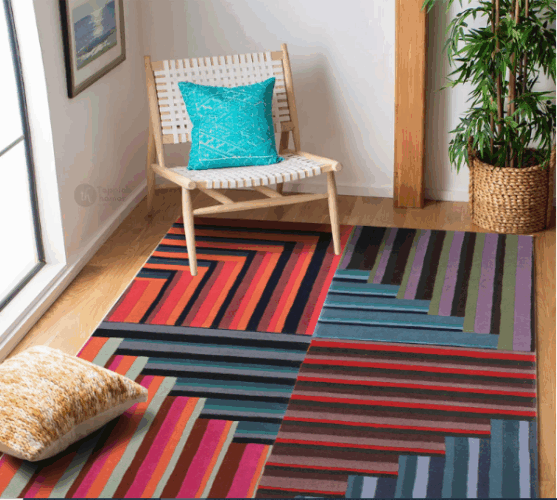
Explore➡ Bold Dark-Toned Striped Rug
Choosing the Right Material: Natural Fibers vs. Synthetics
When it comes to selecting the perfect rug, one of the most crucial decisions you’ll face is choosing between natural fibers and synthetic materials. Natural fibers like wool, cotton, jute, and sisal offer a unique warmth and authenticity that can elevate any space. Wool, for instance, is not only luxurious underfoot but also naturally stain-resistant and durable, making it an excellent choice for high-traffic areas. On the other hand, jute brings an earthy texture that complements bohemian or coastal aesthetics beautifully. However, while natural fibers have their charm, they often come with a higher price tag and may require more maintenance.
Synthetic rugs, such as those made from nylon or polyester, provide a practical alternative that doesn’t skimp on style. These materials are typically more affordable and easier to clean perfect for families with children or pets. They also come in a vast array of colors and patterns, allowing you to experiment with bold designs without breaking the bank. Yet, it’s essential to consider how each material feels against your skin; while synthetics can mimic the look of natural fibers, they may lack the same tactile comfort. Ultimately, your choice should reflect not just your aesthetic preferences but also your lifestyle needs. striking a balance between beauty and functionality will ensure your rug truly enhances your home’s atmosphere.
Layering Techniques: Styling with Multiple Rugs for Depth
Layering rugs is an art form that can transform a space from ordinary to extraordinary, creating depth and visual interest in any room. By strategically placing multiple rugs over one another, you can play with textures, colors, and patterns to achieve a unique look that reflects your personal style. Start with larger Hand Tufted Rugs, perhaps a neutral jute or sisal to ground the space, and then layer on smaller, more vibrant pieces that showcase intricate designs or bold hues. This technique not only adds dimension but also invites tactile exploration; the contrast between different materials encourages both comfort and curiosity.
When layering rugs, consider the scale and proportion of each piece. A large geometric pattern can be beautifully complemented by a smaller vintage rug with intricate details. Don’t shy away from mixing styles pairing contemporary designs with traditional motifs can create an eclectic vibe that feels curated yet effortless. Additionally, think about how the layers interact with your furniture arrangement; they should enhance rather than overwhelm the overall aesthetic. Ultimately, layering rugs is about finding harmony in diversity allowing each piece to shine while contributing to a cohesive narrative within your home.
The Impact of Color and Pattern: Making a Statement with Rugs
When it comes to making a statement in your space, few elements can rival the impact of color and pattern in rugs. These textiles serve not just as functional pieces but also as bold expressions of personal style. A vibrant, patterned rug can act as the focal point of a room, drawing the eye and setting the tone for the entire design scheme. Imagine stepping into a living room where a richly colored Persian rug anchors the seating area; its intricate patterns invite conversation and add layers of visual interest that minimalistic decor simply cannot achieve.
Moreover, the interplay between colors and patterns can evoke various emotions and moods. For instance, warm tones like reds and oranges can create an inviting atmosphere, while cooler shades such as blues and greens often promote calmness and serenity. By thoughtfully selecting rugs that harmonize with or contrast against existing decor, you can effortlessly transform your space into one that reflects your personality and enhances your daily experience. So whether you opt for geometric designs that offer a modern edge or floral motifs that bring a touch of whimsy, remember that each choice contributes significantly to the overall narrative of your home.
Conclusion
In conclusion, the resurgence of rugs as a focal point in interior design underscores a broader cultural shift towards embracing tactile experiences within our living spaces. As we navigate through an era that celebrates individuality and personal expression, these versatile textiles offer not only warmth and comfort but also an opportunity to curate unique narratives within our homes. By thoughtfully selecting materials, colors, and layering techniques, you can transform any room into a sanctuary that reflects your personality while enhancing the overall ambiance.