

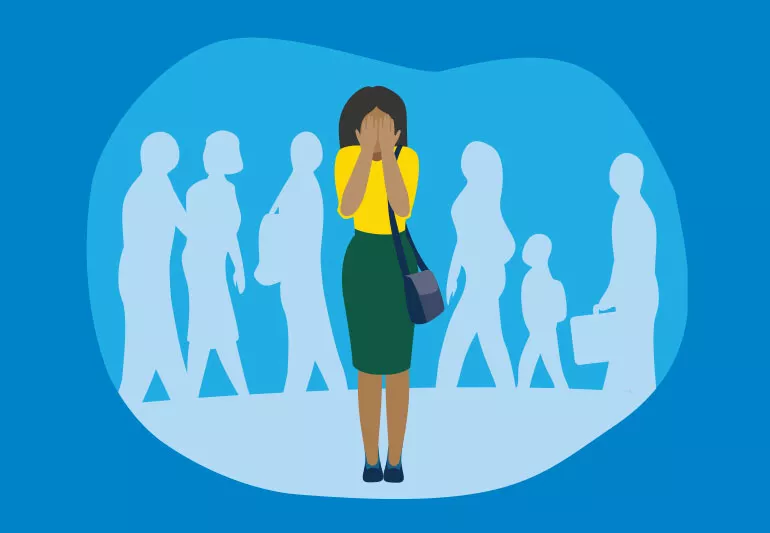
Social anxiety is a common but treatable mental health condition that can significantly impact daily life, from workplace interactions to social gatherings. Working with a social anxiety therapist can provide both immediate relief and long-term strategies for managing this condition effectively. Here are some strategies to explore.
Lifestyle Adjustments
Lifestyle adjustments can alleviate anxiety symptoms. Regular exercise, maintaining a balanced diet, and prioritizing sufficient sleep can positively affect physical and mental well-being. Exercise, in particular, releases endorphins, which reduce stress and enhance mood. A nutritious diet helps regulate blood sugar levels, reducing the risk of anxiety spikes. Consistent sleep patterns support emotional resilience, helping individuals feel more prepared for challenging social situations. A social anxiety therapist will often recommend integrating these routines into daily life as tools to complement other treatment strategies.
Cognitive Behavioral Therapy
Cognitive Behavioral Therapy (CBT) is an evidence-based psychotherapy method that identifies and modifies negative thought patterns and behaviors. It is widely recognized as one of the most effective treatments for social anxiety. Through CBT, individuals learn to recognize anxious thoughts, such as fear of judgment or rejection, and replace them with more constructive perspectives.
Therapists use techniques like exposure therapy to gradually desensitize individuals to feared social situations. This approach can help them build confidence over time. Engaging in CBT sessions with a licensed therapist provides guided support tailored to an individual’s needs, making tracking progress and adapting techniques easier.
Medication
Managing moderate to severe social anxiety often involves a combination of treatments, including:
- Antidepressants (SSRIs): Commonly prescribed to regulate mood and reduce anxiety.
- Anti-anxiety medications (benzodiazepines): Often used for short-term relief in specific situations.
- Combination with other treatments: Medications work best with psychotherapy and lifestyle changes.
- Psychiatric support: Regular monitoring and dosage adjustments help minimize side effects and improve outcomes.
Stress Reduction Techniques
Try managing social anxiety with these stress reduction techniques:
- Mindfulness meditation: Helps you stay grounded and aware during stressful moments.
- Deep breathing exercises: Techniques like diaphragmatic breathing can quickly lower your heart rate and reduce physical tension.
- Build resilience: These methods provide immediate relief and strengthen your ability to cope over time.
- Therapist support: Many therapists incorporate these practices in sessions or suggest apps and resources for at-home practice.
Telehealth Appointments
For individuals hesitant to seek in-person therapy or facing logistical challenges, telehealth appointments provide an accessible alternative. Virtual consultations allow individuals to connect with therapists from the comfort of their homes, reducing the anxiety associated with physical office visits. Telehealth platforms also make it easier to maintain consistent care, allowing for timely adjustments to treatment plans and uninterrupted support. This flexibility is particularly beneficial for adults managing busy schedules, those living in areas with limited access to mental health services, and those who struggle with social anxiety.
Start Your Journey with a Social Anxiety Therapist
Managing social anxiety requires a multi-faceted approach that integrates lifestyle changes, evidence-based therapies like CBT, and supportive tools such as medication and mindfulness techniques. Professional guidance helps tailor these strategies to individual needs for optimal results. Take the first step toward effective anxiety management by booking a telehealth appointment with a licensed therapist today.