

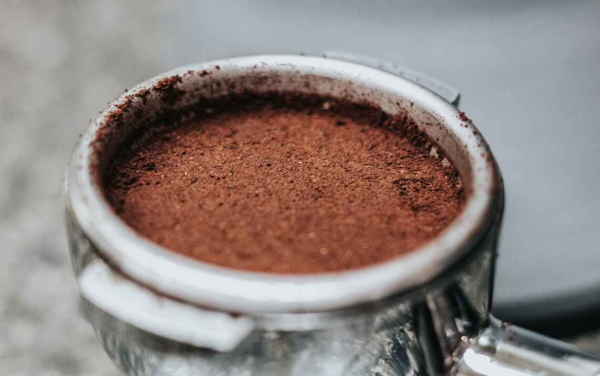
A septic system plays a crucial role in managing household wastewater. However, many homeowners overlook how everyday activities, such as coffee brewing, can impact their septic systems. Coffee grounds, often discarded down the sink or toilet, can cause clogs and damage the septic tank, leading to costly repairs. This article will guide you through how to prevent coffee grounds from affecting your septic system, ensuring its longevity and efficiency.
Understanding the Issue
Coffee grounds are often dismissed as harmless waste, but when disposed of improperly, they can cause serious problems in your septic system. Unlike other organic materials, coffee grounds do not decompose quickly or easily in water. When they enter your septic tank, they tend to accumulate, leading to clogs and disruptions in the natural bacterial processes that break down waste. This can ultimately affect the performance of your septic system.
The accumulation of coffee grounds can lead to blockages in the pipes or tank, hindering wastewater flow. As these grounds compact, they can create dense layers that prevent waste from flowing freely. This obstruction can result in costly repairs and the need for frequent pumping of the septic tank. To avoid these issues, it’s crucial to dispose of coffee grounds correctly and keep them out of the septic system.
Dispose Properly
Proper disposal of coffee grounds is essential in protecting your septic system. Instead of flushing them down the drain or toilet, which can lead to blockages, coffee grounds should be discarded in the trash. This may seem like a simple solution, but it can prevent significant long-term damage to your plumbing and septic system. Additionally, consider composting your coffee grounds as an eco-friendly option, which also offers benefits for your garden.
When you dispose of coffee grounds in the trash, make sure they are properly contained. You can place the used grounds in a small bag or container to avoid spilling or creating a mess. This method helps to ensure that coffee grounds don’t end up in your plumbing, where they could cause potential problems down the line. Being mindful of how you dispose of waste can save you from unnecessary septic tank issues.
Use a Sink Strainer
One of the easiest ways to prevent coffee grounds from entering your septic system is by using a sink strainer. A sink strainer is a small, inexpensive device that sits in your drain and catches food scraps, coffee grounds, and other particles before they go down the pipes. By simply placing a strainer over your sink, you can prevent unwanted debris from entering your septic system.
After brewing coffee, ensure that any leftover grounds are caught in the strainer and then discarded properly. This simple step can prevent clogged pipes and septic issues by keeping coffee grounds out of the system entirely. If you brew coffee regularly, this small addition to your kitchen can save you from costly repairs and disruptions to your septic system.
Avoid the Garbage Disposal
Many homeowners make the mistake of using their garbage disposal for coffee grounds, thinking that the disposal will break them down. However, coffee grounds don’t break down easily and can clog the disposal, pipes, and septic system. The grinding process in the garbage disposal only makes the coffee grounds finer, allowing them to accumulate and create blockages in the pipes.
It’s best to avoid putting coffee grounds in the garbage disposal altogether. Instead, dispose of them directly in the trash or compost bin. While the garbage disposal can handle food waste, it’s not designed to manage coffee grounds, and using it for this purpose can result in long-term plumbing and septic system issues. By avoiding this practice, you’ll protect both your plumbing and septic tank.
Educating Households
Education plays a significant role in maintaining a healthy septic system. In many households, the proper disposal of coffee grounds is overlooked or misunderstood. Therefore, it’s important to educate all family members about the harmful effects of coffee grounds on the septic system. This can help reduce the chances of coffee grounds being disposed of improperly.
A simple conversation about the importance of proper waste disposal can go a long way in protecting your septic system. Whether it’s explaining why the garbage disposal is not suitable for coffee grounds or teaching the family to use a sink strainer, awareness can significantly reduce the risk of septic issues. Creating a shared understanding within the household ensures everyone contributes to the well-being of the septic system.
Dedicated Container for Grounds
To make proper disposal easier, consider keeping a dedicated container near your coffee maker for used coffee grounds. This small step can significantly reduce the chances of coffee grounds being dumped down the sink or toilet. By having a designated container, you make it more convenient for everyone in the household to dispose of the grounds correctly.
A simple container can be used to collect the coffee grounds until it’s full, after which they can be discarded in the trash or composted. Having a dedicated container for this waste prevents coffee grounds from inadvertently entering the plumbing system. It also encourages good habits that contribute to the long-term health of your septic system.
Rinse with Hot Water
While hot water alone won’t break down coffee grounds, it can help prevent them from clogging pipes and septic tanks. If you accidentally allow coffee grounds to go down the drain, flushing the pipes with hot water can help push the particles through the system and minimize the chances of clogging. It’s a good practice to run hot water through your drains periodically to prevent any buildup of coffee grounds or other waste.
Running hot water after disposing of coffee grounds or after using the sink strainer can help ensure the grounds don’t settle in the pipes or septic tank. While this won’t completely prevent problems, it can certainly reduce the chances of coffee grounds accumulating and causing long-term damage. Hot water helps to keep the system flowing smoothly and can reduce the risk of blockages.
Monitor Septic System Health
Regular monitoring of your septic system is essential to ensure it continues to function properly. If you notice any signs of problems, such as slow drainage or unpleasant odors, it may be an indication that coffee grounds or other waste have built up in the system. Monitoring the health of your septic system allows you to address issues early, preventing larger, more expensive problems in the future.
Septic system inspections should be conducted periodically, and it’s a good idea to schedule these visits with a professional plumber or septic tank specialist. Regular checks will help detect any early signs of clogging or inefficiency caused by coffee grounds or other debris. Addressing problems before they become serious can save you time, money, and stress.
Avoid Other Drains
While coffee grounds are most often disposed of in the kitchen, they can end up in other household drains, such as bathroom sinks or shower drains. It’s important to ensure that coffee grounds are not inadvertently flushed into these drains, where they can also cause issues. Being mindful of where the grounds end up in your home’s plumbing system is crucial.
Make sure that everyone in the household is aware of the importance of avoiding coffee grounds in any drain. Whether it’s the kitchen sink or the bathroom sink, proper disposal techniques should be followed in all areas of the home. By preventing coffee grounds from entering any drain, you reduce the chances of clogging pipes and damaging the septic system.
Pump Septic Tank Regularly
An essential part of septic system maintenance is scheduling regular pumping. Over time, solid waste, including any coffee grounds that may have entered the system, can build up in the septic tank. Having your tank pumped every 3 to 5 years, depending on the size of your household, helps to maintain the efficiency of your system and prevent clogs.
Regular pumping ensures that accumulated waste, including coffee grounds, is removed before it causes significant problems. If your septic tank becomes too full, it can lead to backups, foul odors, and even system failure. By scheduling regular pumping, you can ensure your system stays in good condition and continues to work efficiently.
Upgrade Your Septic System
If your septic system is outdated or frequently experiencing problems, it may be time to consider upgrading it. Newer septic systems are often more efficient and better equipped to handle waste, including coffee grounds. While upgrading can be a significant investment, it may be necessary to avoid ongoing issues with your septic system.
Consulting with a professional septic specialist can help you determine whether an upgrade is necessary for your home. A new system may feature improved designs and materials that can better prevent clogs and ensure optimal performance. If you are facing repeated problems with your current system, an upgrade could provide a long-term solution.
Maintain Plumbing Practices
Good plumbing habits are essential to maintaining a healthy septic system. Avoid flushing anything other than toilet paper and human waste down the toilet, and refrain from pouring grease, oils, or coffee grounds down the drain. Proper use of your plumbing system will reduce the risk of blockages and protect the overall health of your septic system.
Ensure that your plumbing is in good condition and check for leaks or clogs that could lead to septic system failure. If you notice any issues with your plumbing, such as slow drainage or strange smells, it’s important to address them promptly to prevent septic problems. By following these simple practices, you can ensure your system remains efficient and well-maintained.
Prefer WM Plumbing Services
Professional plumbing services can help keep your septic system functioning optimally. WM Plumbing Services offers expert inspections, maintenance, and repairs for septic systems. And according to WM Plumbing, they can help prevent issues related to coffee grounds and other waste from damaging your system. Opting for professional plumbing assistance can ensure that your septic system remains in top condition for years to come.
Whether you need a routine inspection or need assistance with an existing issue, professional services can help you stay ahead of potential problems. WM Plumbing Services can offer expert advice and timely solutions, ensuring your septic system is always functioning properly. For more information, you can contact them directly at:
Email: [email protected]
Website: https://wmplumbinginc.com/.
Closing Remarks
Preventing coffee grounds from affecting your septic system is a combination of good habits and proactive maintenance. By properly disposing of coffee grounds, using a sink strainer, and avoiding the garbage disposal, you can protect your plumbing and septic system from clogs. Regular monitoring, scheduled pumping, and proper household education are also key to maintaining system health. Following these practices will ensure that your septic system remains efficient and free of costly issues caused by coffee grounds.