

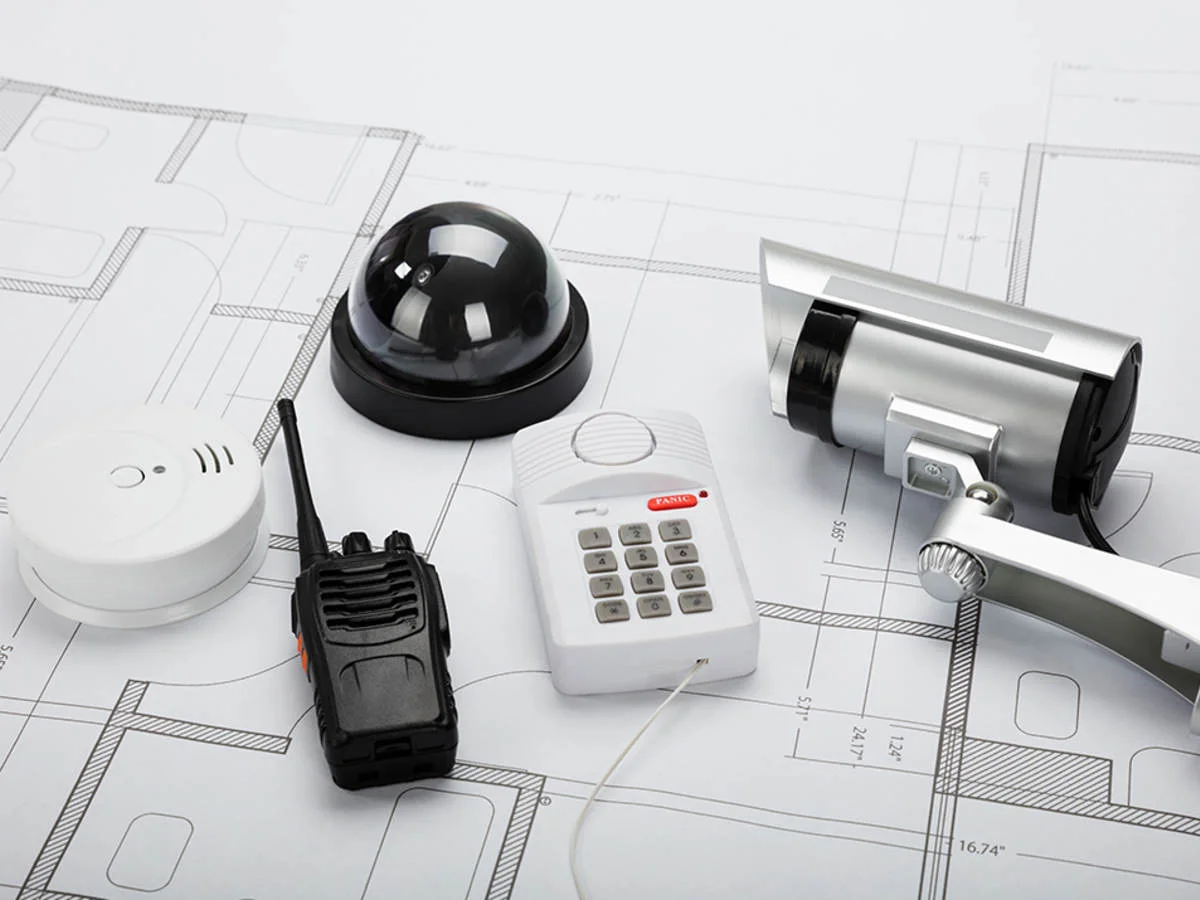
The concept of security has evolved significantly over the years, adapting to the changing needs of society and technological advancements. From simple locks and keys to advanced digital systems, the journey of security systems reflects humanity’s ongoing quest for safety and protection. This article delves into the history, current trends, and future directions of modern security systems, highlighting the role of integrated solutions, structured cabling, and IT service management.
In recent years, the rapid evolution of technology has significantly transformed the landscape of security systems, making them more sophisticated and reliable. A leading security company Milwaukee plays a crucial role in implementing these advanced systems, ensuring both residential and commercial properties are safeguarded with the latest innovations.
Early Security Systems: A Brief History
The earliest security systems were rudimentary, relying on physical barriers and simple mechanical devices. Ancient civilizations used locks and keys made of wood and metal to secure their homes and valuables. These early systems were straightforward but effective in deterring theft and unauthorized access.
The Advent of Electronic Security
The 20th century saw significant advancements in security technology. The invention of electricity and the development of electronic components paved the way for more sophisticated security systems. The introduction of burglar alarms in the 1850s marked a significant milestone. These early alarms used simple electric circuits to detect unauthorized entry, emitting a loud noise to alert homeowners and authorities.
The Rise of CCTV and Surveillance Systems
Closed-circuit television (CCTV) technology revolutionized security in the mid-20th century. Initially used for military and government applications, CCTV systems soon became popular in commercial and residential settings. These systems allowed for continuous monitoring and recording of activities, providing valuable evidence in the event of a security breach.
Integrated Security Solutions: The Modern Era
In the 21st century, the integration of various security technologies has become a key trend. Integrated security solutions combine multiple systems, such as CCTV, access control, and intrusion detection, into a cohesive and comprehensive framework. This approach enhances overall security by providing a unified view of all security-related activities and enabling more effective response strategies.
Benefits of Integrated Security Solutions
- Enhanced Monitoring: Integrated systems provide real-time monitoring of multiple security components, enabling quicker identification and response to potential threats.
- Improved Efficiency: By consolidating different systems into a single platform, integrated solutions reduce the complexity and cost of managing security operations.
- Scalability: These systems can be easily scaled to accommodate the growing needs of businesses and residential properties.
- Data Analysis: Integrated solutions offer advanced analytics capabilities, helping organizations to identify patterns and trends in security incidents.
The Role of Structured Cabling & Fiber Optics
Structured cabling and fiber optics play a crucial role in the reliability and efficiency of modern security systems. These technologies provide the necessary infrastructure for transmitting data and power across various security devices.
Structured Cabling
Structured cabling refers to the standardized approach of designing and installing a cabling system that supports multiple hardware uses and is suitable for today’s and future needs. It ensures that the security systems are well-organized, scalable, and capable of handling high data volumes.
Advantages of Structured Cabling:
- Simplified Management: A structured cabling system is easier to manage and maintain, reducing downtime and improving reliability.
- Future-Proofing: It provides a flexible infrastructure that can support future technological advancements without requiring major overhauls.
- Cost-Effectiveness: Though the initial investment may be higher, structured cabling reduces long-term operational costs by minimizing maintenance and upgrade expenses.
Fiber Optics
Fiber optic technology is essential for high-speed data transmission over long distances. It is increasingly being used in security systems to connect cameras, sensors, and other devices to central monitoring stations.
Benefits of Fiber Optics:
- High Bandwidth: Fiber optics can transmit large amounts of data quickly and efficiently, which is crucial for high-resolution video surveillance systems.
- Long Distance: Unlike traditional copper cables, fiber optics can transmit data over longer distances without significant loss of signal quality.
- Security: Fiber optic cables are difficult to tap into without detection, providing a higher level of security for data transmission.
IT Service Management in Security
IT service management (ITSM) is critical in ensuring that security systems are operational and efficient. ITSM involves the implementation and management of quality IT services that meet the needs of the business. It encompasses various processes and functions designed to manage the lifecycle of IT services, from planning and deployment to maintenance and support.
Importance of ITSM in Security
- Proactive Maintenance: ITSM ensures that security systems are regularly monitored and maintained, preventing potential failures and vulnerabilities.
- Incident Management: It provides a structured approach to managing and responding to security incidents, minimizing impact and restoring normal operations quickly.
- Service Quality: ITSM helps maintain high service quality by defining and adhering to service level agreements (SLAs) and performance metrics.
- Continuous Improvement: Through regular reviews and assessments, ITSM identifies areas for improvement, enhancing the overall effectiveness of security systems.
Future Directions of Security Systems
The future of security systems is shaped by ongoing technological advancements and evolving security threats. Here are some key trends to watch:
Artificial Intelligence and Machine Learning
AI and machine learning are transforming security systems by enabling advanced analytics, predictive modeling, and automated decision-making. These technologies can enhance threat detection, reduce false alarms, and optimize resource allocation.
Internet of Things (IoT)
The proliferation of IoT devices presents both opportunities and challenges for security systems. On one hand, IoT devices can provide valuable data and insights; on the other, they introduce new vulnerabilities that need to be managed.
Cybersecurity Integration
As security systems become more connected and reliant on digital technologies, the integration of cybersecurity measures is essential. Protecting security infrastructure from cyber threats is critical to ensuring overall system integrity and reliability.
Cloud-Based Security Solutions
Cloud technology offers scalable and flexible security solutions. Cloud-based platforms can centralize data storage and management, facilitate remote monitoring, and enable real-time updates and upgrades.
Conclusion
The evolution of modern security systems reflects the dynamic interplay between technological innovation and societal needs. From simple mechanical devices to sophisticated integrated solutions, the journey of security systems highlights humanity’s relentless pursuit of safety and protection. As we look to the future, the continued advancement of technologies like AI, IoT, and cloud computing will shape the next generation of security systems, ensuring that they are more effective, efficient, and resilient than ever before.
By understanding the history and current trends in security systems, businesses and individuals can make informed decisions about their security needs. Investing in integrated solutions, structured cabling, and robust IT service management can provide a solid foundation for protecting assets, ensuring safety, and maintaining peace of mind in an increasingly complex and connected world.