

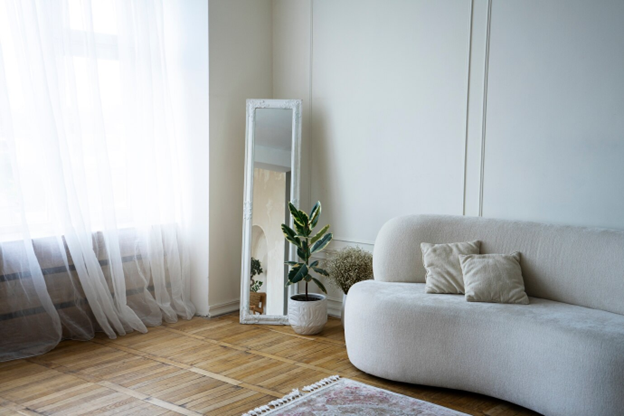
Small living areas let you achieve both stylish and comfortable settings. A properly designed and decorated small space becomes Earth’s most comforting and visually delightful spot. Our guide shows you how to turn even small spaces into elegant personal retreats no matter your living area.
1. Start with a Clear Vision
Take time to understand your design goals before choosing new furniture and decorations. PDF planning helps you choose an open minimalist setting or a depth-filled space. Do you want to establish a peaceful hideaway, an effective workspace, or both in one?
Using color palettes on Pinterest boards helps you create and maintain your design vision. Your design focus will improve when you know what items to avoid impulse purchases. You can also consult a real estate agent to help you upgrade your home’s aesthetic appeal.
2. Embrace Light and Mirrors
Natural light improves the space of a small room. When you open it up to natural light, your room will look larger and more welcoming. Light enters the room better when using sheer curtains or Roman shades because they block minimal sunlight.
Position mirrors directly across from natural light sources and nearby artificial lights to produce more shine. Mirrors help your room reflect light and make space appear deeper, which enlarges your space perception.
3. Choose Multifunctional Furniture
Every furniture element in small rooms needs to perform multiple functions. Look for furniture designs that offer multiple uses in a single item.
- The sofa includes built-in storage areas beneath for storing blankets or books.
- Ottomans that double as coffee tables or extra seating.
- Murphy beds and daybeds help your space shift between sleep and living areas.
- The desk can transform into a wall-hanging unit or extend from bookshelf cabinets.
Multiple-use furniture helps you use every available space effectively without taking up room.
4. Go Vertical
If your space is small, you need to explore vertical options. Putting items vertically improves the amount of space you actually have available in the room. Books, cabinets, and planters placed on walls and bookshelves push the eye upward to make rooms feel larger.
Floating shelves are excellent spots to display books and artwork while leaving your floor available. Adjustable wall fixtures let you conveniently store kitchen supplies and other accessories in empty wall space.
5. Keep It Cohesive
When a room’s layout lacks order, it creates a feeling of disorder, even with limited space. Use neutral colors along with select secondary shades as your base. Repeating materials and textures across the room creates visual order. When your kitchen cabinets feature brass hardware, you should decorate them with additional brass lighting components and accessories.
Visual unity in the space creates a planned appearance, preventing it from looking cluttered and haphazard.
6. Play with Scale (Strategically)
Many people mistakenly think small rooms need small furniture choices. Some well-selected furniture pieces will create a better balance than numerous small items in a room. One large sofa or oversized artwork will define the space and add personality to the room.
The key is proportion. Choose furniture that fills the room properly instead of overfilling it. Only add a few striking pieces that demonstrate both personality and relaxation style.
7. Declutter with Style
A storage space can look attractive and stay visible. Ornamental baskets and vintage trunks help you organize while also serving as decorative items. A shelf display with intentional placement of books, candles, and ceramics will make an attractive setup.
When you declutter your space, you can keep non-minimalist items. However, you should keep items only if they either help you function better or make you delighted to have them around.
8. Use Rugs to Define Areas
Open-plan studios can effectively use rugs to define space areas. Different rug placements mark separate areas in the room, such as one rug under the bed defining the sleeping space. In contrast, another rug under the sofa establishes the living area.
Pick rugs that match your main color choices, and feel free to place multiple rugs together. Arranging a surface rug over a neutral rug warms up the space and creates an interesting pattern.
9. Add Personality Through Decor
Your small space must reflect your personal identity. Display meaningful personal mementos, including travel items. Use decorative textile items such as throws, pillows, and curtains to add color and texture to your space.
Plants are another powerful tool. They bring energy, brightness, and clean air, especially when placed in tight spaces. Placing plants, especially hanging succulents or growing taller plants in corners, will make your space more lively.
10. Make Peace with Imperfection
Not all small rooms have to offer efficiency because they build up an emotional connection and pleasant living. To be home, your house does not need to look like a new furniture display. A small space gains its appeal from its unique arrangements and comfortable touchpoints.
You should not let minor bookshelf overloading or multi-purpose furniture bother you. Your space should match your style preferences while offering you comfort and personal freedom to live your lifestyle.
Final Thoughts
Instead of seeing space restrictions, you can design a beautiful home from a small area. By making smart choices and thinking original, you can turn every compact living space into a comfortable and attractive haven.
Whether you plan to sell your home or simply upgrade it for your own pleasure, paying attention to your style brings beauty into a living space, regardless of size. However, if you wish to sell your home quickly without worrying about expensive upgrades, you can always contact a company that will buy your home “as is,” such as Dakota Properties.