

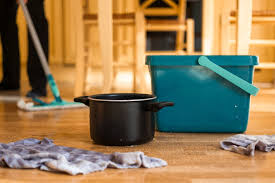
Water damage can strike unexpectedly, turning your home into a nightmare of soggy carpets, warped wood, and lurking mold. Whether it’s a burst pipe, a leaking roof, or a natural disaster, the aftermath requires swift and strategic action. That’s where water damage mitigation comes in—a critical process to minimize destruction, protect your property, and safeguard your health. In this guide, we’ll explore what water damage mitigation entails, why it’s essential, and how to ensure it’s done right.
What Is Water Damage Mitigation?
Water damage mitigation refers to the immediate steps taken to reduce the impact of water intrusion on a property. Unlike full restoration, which focuses on repairing and rebuilding, mitigation is about stopping the damage in its tracks. This process includes extracting water, drying affected areas, and preventing secondary issues like mold growth or structural decay.
The goal? To limit financial losses, preserve your home’s integrity, and create a safe living environment. According to the Insurance Information Institute, water damage accounts for nearly 24% of all homeowners’ insurance claims, with average costs ranging from $1,000 to $100,000 depending on severity. Acting quickly through professional mitigation can significantly reduce these expenses.
Why Water Damage Mitigation Matters
Ignoring water damage is like inviting chaos into your home. Here’s why mitigation is non-negotiable:
1. Prevents Mold and Mildew Growth
Mold can begin growing within 24–48 hours of water exposure. Not only does it damage surfaces, but it also poses health risks, including respiratory issues and allergies. Mitigation ensures thorough drying and dehumidification to keep mold at bay.
2. Protects Structural Integrity
Water weakens wood, drywall, and even concrete, compromising your home’s foundation. Prompt mitigation halts this deterioration, saving you from costly structural repairs.
3. Reduces Health Hazards
Standing water can harbor bacteria, pathogens, and contaminants, especially in cases of sewage backups or flooding. Professional mitigation includes sanitization to eliminate these risks.
4. Saves Valuables and Belongings
From furniture to family heirlooms, water can ruin sentimental and valuable items. Mitigation prioritizes salvaging what can be saved through rapid response and specialized techniques.
5. Lowers Restoration Costs
The longer water sits, the worse the damage becomes. Early mitigation reduces the scope of repairs, saving you time and money in the long run.
The Water Damage Mitigation Process: Step by Step
Understanding the mitigation process empowers you to act quickly and choose the right professionals. Here’s a breakdown of what to expect, based on industry best practices like those outlined by Champion Cleaning Systems.
Step 1: Emergency Contact and Assessment
The process begins with contacting a mitigation expert, ideally within hours of the incident. Professionals assess the damage, categorize the water type (clean, gray, or black), and determine the extent of saturation using tools like moisture meters and thermal imaging.
Step 2: Water Extraction
Standing water is removed using powerful pumps and vacuums. This step is critical to prevent further absorption into walls, floors, and furniture. Speed is key—every minute counts.
Step 3: Drying and Dehumidification
Industrial-grade air movers and dehumidifiers are deployed to dry affected areas thoroughly. Technicians monitor moisture levels to ensure no hidden pockets of water remain, which could lead to mold or rot.
Step 4: Cleaning and Sanitizing
Surfaces and belongings are cleaned and sanitized to remove contaminants. Specialized treatments may be applied to prevent mold and odors, ensuring a safe environment.
Step 5: Monitoring and Documentation
Professionals document the process for insurance claims and monitor drying progress to confirm the job is complete. This step ensures your home is fully restored to a pre-loss condition.
For a detailed look at how this process unfolds, check out Champion Cleaning Systems’ mitigation process, which emphasizes efficiency and expertise.
Common Causes of Water Damage
Understanding the sources of water damage can help you prevent it. Here are the most frequent culprits:
- Burst or Leaking Pipes: Aging plumbing or freezing temperatures can cause pipes to rupture, releasing gallons of water in minutes.
- Roof Leaks: Damaged shingles or clogged gutters allow water to seep into your home.
- Appliance Malfunctions: Dishwashers, washing machines, and water heaters can fail, causing floods.
- Sewage Backups: Blocked sewer lines can send contaminated water into your home.
- Natural Disasters: Heavy rains, hurricanes, or river overflows can overwhelm drainage systems.
Proactive maintenance, like regular plumbing inspections and roof repairs, can reduce these risks. However, when disaster strikes, mitigation is your first line of defense.
Choosing the Right Water Damage Mitigation Company
Not all mitigation services are created equal. Here’s how to select a reliable provider:
- Certification and Experience: Look for companies certified by the Institute of Inspection, Cleaning and Restoration Certification (IICRC). Experienced teams know how to handle complex scenarios.
- 24/7 Availability: Water damage doesn’t wait, so choose a company with round-the-clock emergency services.
- Advanced Equipment: Ensure they use state-of-the-art tools like industrial dehumidifiers and infrared cameras for thorough mitigation.
- Insurance Coordination: A good provider will work with your insurance company to streamline claims and reduce stress.
- Transparent Process: Reputable companies, like Champion Cleaning Systems, explain their process clearly and provide detailed documentation.
DIY vs. Professional Mitigation: What You Need to Know
While small spills can sometimes be handled with towels and a fan, significant water damage requires professional intervention. DIY attempts often fall short because:
- Household tools can’t match industrial drying equipment.
- Hidden moisture in walls or under floors can go unnoticed, leading to mold.
- Improper handling of contaminated water can pose health risks.
Professionals have the training, tools, and expertise to mitigate damage effectively, ensuring your home is safe and sound.
Preventing Future Water Damage
Once you’ve mitigated one water disaster, you’ll want to avoid another. Here are practical tips to protect your home:
- Inspect Regularly: Check pipes, appliances, and your roof for signs of wear or leaks.
- Install Water Alarms: These devices alert you to leaks or flooding in real time.
- Maintain Gutters and Drains: Keep them clear to prevent water buildup.
- Upgrade Plumbing: Replace old pipes with modern, durable materials.
- Prepare for Weather: Elevate valuables and install sump pumps in flood-prone areas.
The Cost of Water Damage Mitigation
The cost of mitigation varies based on factors like the extent of damage, water type, and location. On average, homeowners can expect to pay $1,200–$5,000 for professional services, though severe cases may cost more. Insurance often covers mitigation if the damage is sudden and accidental, so check your policy and document everything.
Investing in professional water damage mitigation is far cheaper than dealing with unchecked damage, which can lead to tens of thousands in repairs.
Final Thoughts: Act Fast, Mitigate Smart
Water damage is a homeowner’s worst nightmare, but it doesn’t have to be a catastrophe. By acting quickly and enlisting professional mitigation, you can protect your home, health, and wallet. From rapid water extraction to thorough drying and sanitization, the mitigation process is your ticket to recovery.
Don’t wait until it’s too late. If you’re facing water damage, reach out to experts who follow proven processes, like those at Champion Cleaning Systems. With the right team by your side, you can turn a disaster into a manageable setback—and keep your home safe for years to come.