

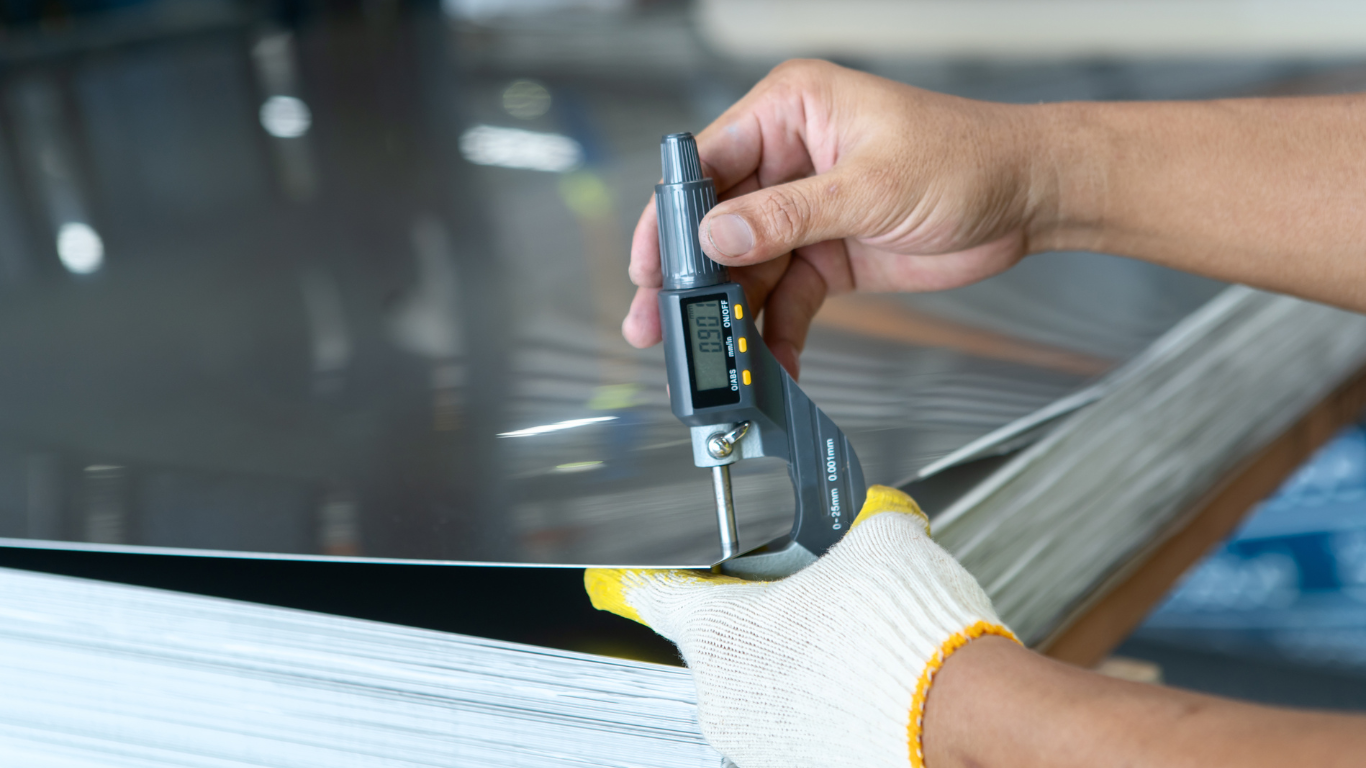
Whether you’re inspecting metal sheets, plastic films, or coatings, a Thickness Gauge helps you get reliable measurements fast. It’s one of those tools you might not think about—until you need it.
And when precision matters, guessing simply isn’t an option. If you’re working in manufacturing, construction, or quality control, understanding how a thickness gauge works can make a real difference.
This article explains what a thickness gauge is, how it works, and where to find the right one for your needs.
What Is a Thickness Gauge?
A thickness gauge is a measuring instrument used to determine the thickness of a material. Depending on the type, it can measure coatings, metals, glass, rubber, paper, and plastics. You’ll see these tools used in everything from automotive manufacturing to laboratory testing.
There are different styles of gauges, such as:
- Ultrasonic thickness gauges for non-destructive testing
- Magnetic or eddy current gauges for coating thickness
- Mechanical gauges for simple, direct measurement
Each type is suited for specific applications and materials, making it important to choose the right one.
Why Thickness Matters
Even small variations in material thickness can impact product performance, safety, or appearance. For example, if a paint coating is too thin, corrosion might occur. If it’s too thick, it may crack or peel.
Here’s why measuring thickness accurately is important:
- Prevents material waste
- Confirms product consistency
- Meets regulatory or client specifications
- Avoids costly rework
In industries where precision is part of quality assurance, a Thickness Gauge becomes a daily-use instrument.
Types of Thickness Gauges and How They Work
1. Ultrasonic Thickness Gauges
These gauges use sound waves to measure material thickness without cutting or damaging the object. They’re ideal for metals, composites, and pipes where access is limited to one side.
How it works:
- The device sends a sound pulse through the material
- The pulse reflects back and the time is measured
- That time is converted into a thickness reading
Ultrasonic gauges are highly reliable, especially for corrosion monitoring and structural inspections.
2. Coating Thickness Gauges
Used for measuring paint, enamel, or coating layers on surfaces. Most work using magnetic induction or eddy currents, depending on the base material.
Key uses include:
- Automotive refinishing
- Marine coatings
- Galvanized parts
For consistent performance, professionals often turn to a trusted Thickness Gauge provider with a broad selection of options.
3. Mechanical and Dial Gauges
These are traditional hand-held tools with a dial or scale to display thickness. They work well for soft materials like rubber, textiles, or plastic films. While not as advanced, they offer quick readings with simple operation.
Good for:
- Lab settings
- Low-cost environments
- Flat samples with uniform texture
If you only need basic measurements, this could be the right solution for you.
Choosing the Right Thickness Gauge
With so many types available, how do you decide which thickness gauge suits your needs? Start by considering:
- Material type: Metal, plastic, rubber, glass, etc.
- Measurement range: Minimum and maximum thickness
- Surface access: Can you measure from both sides?
- Accuracy requirement: Do you need fine precision?
If you’re still unsure, browse through the wide selection of Thickness Gauges offered by Qualitest. Their catalog covers everything from basic tools to advanced digital gauges, with support to help you choose the right model.
Tips for Accurate Measurement
No matter which device you use, how you use it affects accuracy. Here are a few best practices:
- Calibrate the gauge before each session
- Clean the surface to remove dirt or coatings
- Avoid measuring near edges or curves
- For ultrasonic gauges, use coupling gel properly
- Take multiple readings to confirm consistency
Good habits during measurement lead to better data and fewer surprises later in production.
Industries That Rely on Thickness Gauges
You’ll find thickness gauges used in nearly every manufacturing sector. They’re part of regular inspections, quality checks, and compliance reporting.
Common industries include:
- Aerospace
- Automotive
- Packaging
- Metal fabrication
- Marine and offshore
Professionals in these fields often prefer a durable, high-performance Thickness Gauge to keep up with demanding workloads.
Final Thoughts
A thickness gauge is more than a measurement tool—it’s a way to protect your product quality and reputation. Whether you’re in a lab, factory, or construction site, reliable thickness data can guide smarter decisions and improve outcomes.
For dependable options across every application, Qualitest offers a trusted lineup of Thickness Gauges you can count on. Take time to choose the right tool, and it will serve your workflow well for years to come.