

By a home comfort systems industry contributor.
You added a finished attic, a sunroom, or a home office. But for a few months a year, it’s the most uncomfortable room in the house. Your central air conditioning can’t keep up. Adding new ductwork is either not possible because of your home’s design or costs too much. This is a common problem for homeowners trying to make their homes better.
You have a choice: put in a noisy, inefficient window unit or find a new way to cool that one area. For many people, this is when a ductless cooling system starts to make sense. These systems, also called mini-splits, don’t need ducts at all and offer a focused solution. Professional installation is often recommended for these systems, a field with consistent demand according to the BLS. But before you decide if it’s right for you, you need a clear picture of what the project involves, from the price to how long it takes.
Quick answer: Ductless systems use an outdoor unit connected to one or more indoor units. They deliver cool air right into a specific room or “zone.” This setup lets you control the temperature in each zone and can be much more energy-efficient for cooling specific areas than a central system that cools the whole house.
What’s inside
- How Does a Ductless System Actually Work?
- What Defines a High-Quality Ductless Installation?
- What Are the Real Installation Costs?
- Frequently Asked Questions About Ductless Cooling
- Making the Final Call on Ductless Cooling
How Does a Ductless System Actually Work?
A ductless system moves heat from inside your home to an outdoor unit through a thin tube called a refrigerant line. This means it doesn’t need a big network of ducts.
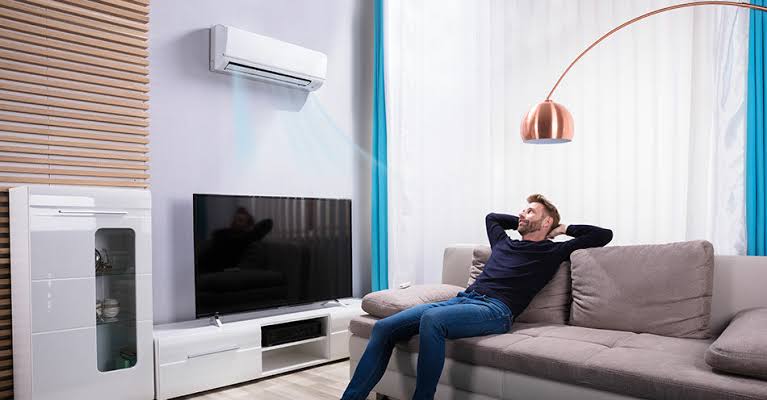
The system has two main parts. An outdoor unit, called a compressor, sits on a small pad outside. Inside, one or more air-handling units are mounted high on a wall or on the ceiling. The indoor and outdoor units are connected by a small tube that holds the power cable, refrigerant line, and a drain line. This bundle usually only needs a three-inch hole in an outside wall. This makes the installation much less disruptive than adding new ductwork.
The main reason they save energy is because they don’t have long ducts. Central air systems have to push cold air through ducts that often run through hot spaces like attics or crawlspaces. A lot of energy is wasted before the cool air even gets to you. By putting cool air directly into the room, a mini-split avoids this energy waste.
❝ Ask any installer how they figure out how much cooling power you need. They should use a proper method like the Manual J protocol, not just a guess based on square feet. A unit that’s too big will cool the room too fast to remove moisture from the air, leaving you feeling cold and clammy.
Ductless systems are also great for creating different temperature “zones.” One outdoor unit can often connect to several indoor units, and each one has its own thermostat. This means you can cool your home office to 68 degrees but leave a guest room you’re not using turned off. You only pay to cool the rooms you are actually in. This is a big difference from a central system with one thermostat that tries to cool the whole house to the same temperature. This level of control saves more energy by cooling only where you need it.
What Defines a High-Quality Ductless Installation?
A quality installation depends on three things: the right system size, high-efficiency equipment, and a skilled, trained installer.
Getting these three things right is very important for how well the system works and how long it lasts. Even the best equipment won’t work well if it’s the wrong size or installed poorly. The first step is always a careful measurement of your cooling needs for the room you want to cool. This measurement, which often uses the industry-standard Manual J protocol, looks at things like the room’s size, windows, insulation, and your local climate to figure out exactly how much cooling power is needed. A contractor who suggests a size based only on square footage is a major red flag.
Next, look at the equipment’s efficiency ratings. The key measurement for cooling is the SEER2 (Seasonal Energy Efficiency Ratio 2) rating. A higher SEER2 number means it’s more efficient. Federal rules require a minimum rating for new equipment. For example, new air conditioners in northern states must have a rating of at least 13.4 SEER2, according to the U.S. Department of Energy. A system that meets the minimum will work, but high-efficiency models with SEER2 ratings of 20 or higher can lower your power bills over time.
| Efficiency Tier | Typical SEER2 Rating | Key Feature | Best For |
| Standard | 14 to 18 | Meets basic standards | Good for budgets, rooms you don’t use often |
| High-Efficiency | 19 to 25 | Smart compressor saves energy | Good mix of price and savings, for main rooms |
| Ultra-High | 26+ | Top technology, best air filtering | Saves the most money, great for solar homes |
Finally, check the installer’s skills and background. The technician should be licensed and insured to do HVAC work in your state. Ask if they have special training from the company that makes the unit they are suggesting. An experienced installer will talk with you about the best place for both the indoor and outdoor units, thinking about things like noise, how it looks, and the best air circulation. They should also explain how they will run the lines and seal the hole in the wall to stop air and water leaks.
What Are the Real Installation Costs?
The total cost depends on three main things: how many indoor units you need, the system’s efficiency rating, and how difficult the job is.
A ductless project isn’t something you can just buy off a shelf. The final price is a mix of the equipment, materials, and the cost of labor. The factor that changes the price the most is whether you need a single-zone or multi-zone system. A single-zone system cools one area, like a bedroom or a new addition. It’s the simplest and cheapest option. A multi-zone system uses a more powerful outdoor unit that can connect to two, three, or even more indoor units, each cooling a different room. While the cost for each zone can go down a little with more units, the total price goes up a lot with each indoor unit you add.
Efficiency is also a big part of the upfront cost. A system with a higher SEER2 rating will cost more at first than a standard model. However, that higher upfront cost leads to lower electricity bills for as long as you own the system. For many families, cooling is a large part of their yearly energy costs. A high-efficiency unit can pay for itself in savings over a few years, especially if you live where summers are long and hot.
❝ When you get a quote, ask if it includes the cost of its own electrical circuit. Ductless systems need a certain amount of power, and many older homes need a new circuit run from the main electrical panel to where the outdoor unit will be. This is a common “surprise” cost that a good contractor will find and include in the price from the start.
Finally, how hard the installation is changes the cost of labor. This includes how long the refrigerant line needs to be, what the wall is made of (brick is harder to drill through than siding), and how easy it is to get to the spots for both units. A detailed quote should break down these costs so you can see exactly what you are paying for.
Frequently Asked Questions About Ductless Cooling
Is ductless cooling a good choice for every home? Not always. Ductless systems are best for certain situations, like in homes that don’t have ductwork, such as those with radiator or boiler heat. It is also a perfect solution for new additions, converted garages, or sunrooms where adding ducts would be expensive and waste energy. If you already have good ductwork and a working central AC, replacing it with a whole-house ductless system might not be the cheapest option.
What are the main downsides of a mini-split system? The biggest downsides are the upfront cost and how the indoor unit looks. A multi-zone system can cost more to install than replacing a central AC unit. You also have to be okay with having the indoor unit mounted on your wall. Lastly, you need to clean the filter in each indoor unit about once a month to keep the system running well and maintain good air quality.
Can a ductless system also provide heat? Yes, most new ductless systems are also heat pumps, which means they can also heat your home in the winter. This is a very energy-efficient way to heat, often better than standard electric heaters. However, they may not work as well when it gets very cold outside. If you live in a place with harsh winters, you should look for a model made for cold climates or have a backup heat source for the coldest days.
How much maintenance does a ductless system require? The maintenance you have to do is easy but very important. You will need to take out and clean the filters on each indoor unit about once a month. This usually just means rinsing them with water and letting them dry. On top of that, you should have a professional clean and check it once a year. This service makes sure the coils are clean, the system has the right amount of refrigerant, and the drain line is clear so it won’t leak water.
How is a ductless system different from a window AC unit? A ductless system is a permanent solution that is much more efficient, powerful, and quiet than a window unit. Because the noisy compressor is outside, the unit inside is very quiet. Ductless systems also have much higher energy efficiency ratings, which means lower utility bills. Unlike a window unit, a mini-split doesn’t block a window or make your home less secure.
Making the Final Call on Ductless Cooling
In the end, a ductless system is a great option compared to the all-or-nothing style of central air. It’s great at delivering efficient cooling and heating right where you need it. For homes without ducts, for new additions, or for fixing hot spots that central air can’t reach, it’s often the smartest and best solution. Instead of one temperature for the whole house, you get to control each room.
Deciding to get a ductless system means you need to look carefully at the upfront cost compared to the long-term savings. You can save a lot of energy, but only if the system is the right size and is installed perfectly. The most important thing isn’t the brand, but the skill of the installer who measures your space, places the units, and connects everything.
Make your final choice based on the quality of the plan the contractor gives you. A good contractor will explain why they suggest a certain size and location, based on a real study of your room. Focusing on the right plan and installation makes the difference between a great project and a bad one.
About the author
Steel T Home Services is a second-generation, family-owned business providing HVAC, plumbing, and electrical services to the Denver Metro region since 1979. The company focuses on the installation, repair, and maintenance of residential comfort systems, including heating, air conditioning, and indoor air quality solutions. As a Carrier Factory Authorized Dealer, their technicians receive ongoing training. The company holds state licenses for its master plumbers and electricians and has been a multi-year recipient of the Carrier President’s Award.