

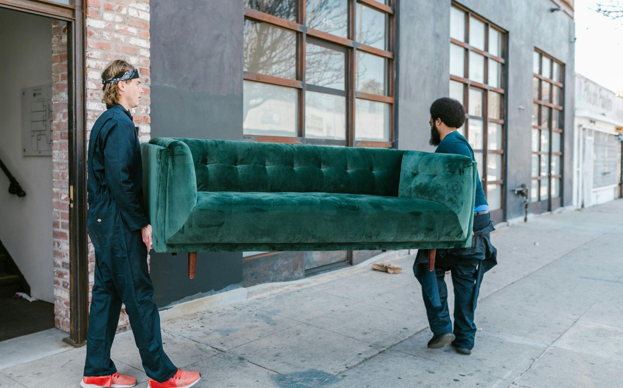
Moving furniture isn’t just about lifting heavy objects; it’s an art that requires planning, technique, and the right equipment. Whether you’re a professional mover or handling a personal relocation, knowing the best practices can make the process smoother and safer. Butler’s Removals & Storage has years of experience in the industry, and in this guide, we’ll share valuable tips to help you move furniture efficiently and without unnecessary hassle.
1. Plan Ahead for a Smooth Move
Before you start moving furniture, take time to plan. Measure doorways, hallways, and staircases to ensure large pieces can fit through without damage. If possible, disassemble larger furniture like beds and tables to make them easier to transport. Label parts and keep screws and bolts in small, labelled bags so reassembly is a breeze.
It’s also helpful to create a floor plan for the new space. Knowing exactly where each piece of furniture should go will save you from shifting heavy items around multiple times.
2. Use the Right Equipment
Professional movers rely on the right tools to prevent strain and damage. Consider using the following:
- Furniture dollies: These are excellent for moving heavy furniture with minimal effort.
- Lifting straps: Help distribute weight and reduce strain on your back.
- Moving blankets: Protect furniture from scratches and dings.
- Sliders: Perfect for moving heavy furniture across floors without lifting.
- Gloves: Provide a better grip and protect your hands from injuries.
Having the right equipment on hand ensures efficiency and safety.
3. Protect Floors, Walls, and Doorways
Moving furniture can easily result in scuffed walls, scratched floors, or damaged door frames. To avoid this, place protective materials such as cardboard or towels in high-contact areas. If sliding furniture, use furniture pads or sliders to prevent damage to hardwood or tiled floors.
4. Lift Safely to Avoid Injury
Lifting incorrectly is one of the most common causes of moving injuries. Always bend your knees, keep your back straight, and lift with your legs rather than your back. If a piece of furniture is too heavy to lift alone, don’t force it—get help or use moving equipment.
5. Wrap and Protect Furniture
To keep furniture safe during transport, wrap delicate pieces in bubble wrap or moving blankets. Use stretch wrap to secure cushions and drawers so they don’t shift during transit. For glass surfaces, use thick cardboard or foam padding to prevent breakage.
If you’re planning a move, you can learn more about professional furniture moving services by visiting https://butlersremovals.com.au/.
6. Disassemble When Necessary
Some furniture items are easier to move when taken apart. Remove table legs, take off couch feet, and disassemble bed frames when needed. This not only makes moving easier but also reduces the risk of damage.
7. Load the Moving Vehicle Strategically
When loading furniture into a moving truck, start with the heaviest items first, placing them against the back wall for stability. Distribute weight evenly to prevent shifting during transit. Use straps to secure furniture in place and prevent movement that could cause damage.
8. Communicate with Your Moving Team
If you’re working with a moving team, clear communication is key. Assign roles, discuss strategies, and ensure everyone knows their responsibilities. If using professional movers like Butler’s Removals & Storage, trust their expertise and follow their lead to streamline the process.
9. Take Your Time
Moving furniture requires patience. Rushing can lead to mistakes, injuries, or damage to your belongings. Take breaks when needed and ensure each step is completed properly before moving on to the next.
10. Hire Professionals for a Stress-Free Move
If the thought of moving heavy furniture seems overwhelming, consider hiring professionals. Experienced removalists, like those at Butler’s Removals & Storage, have the expertise and equipment to handle furniture safely and efficiently. Professional movers can save you time, effort, and potential injuries.
11. Secure Loose Items During Transport
When moving, small and loose items like cushions, rugs, and decorative pieces can shift and become damaged. Secure them in moving boxes or wrap them in blankets to keep them protected. Keeping these items in place will prevent unnecessary movement and potential breakage.
12. Consider the Weather Conditions
Weather can play a significant role in the moving process. If you’re moving in wet or humid conditions, wrap furniture in waterproof materials to prevent moisture damage. If it’s particularly hot, take breaks to avoid exhaustion and ensure that temperature-sensitive items are properly handled.
Conclusion
Moving furniture requires skill, preparation, and the right approach to ensure a seamless process. By following these tips, like planning ahead, using the right tools, protecting furniture, and lifting safely, you can make your move efficient and injury-free. However, if you prefer to leave it to the experts, professional movers can provide the assistance needed to get the job done right. For those considering professional help, understanding the moving cost for furniture involved can help with budgeting and decision-making.