

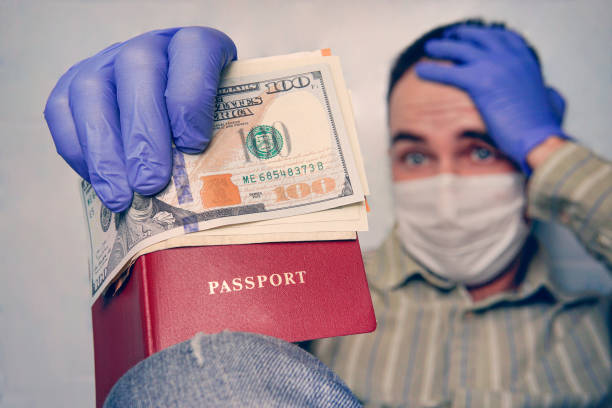
Imagine planning the perfect getaway, only to fall ill just days before departure. It’s more common than you’d think, and the financial loss from non-refundable bookings can add stress to an already difficult situation.
Fortunately, with the right coverage in place, you can recover those costs and protect your travel investment. In this guide, we’ll explore how to prepare for the unexpected, what steps to take if illness strikes before your trip, and how to ensure your hard-earned vacation funds are safeguarded, even when plans change suddenly.
Why Illness Is One of the Top Reasons People Cancel Travel Plans
Health issues can strike unexpectedly, making them one of the most common and costly reasons travelers are forced to cancel.
The Unpredictability of Health Issues
Even the healthiest travelers can get hit with an unexpected illness right before a trip. Whether it’s a sudden flu, food poisoning, a COVID-19 diagnosis, or a flare-up of a chronic condition, health issues rarely arrive with notice. Travel itself, especially the stress of packing, last-minute errands, and sleep disruption, can weaken the immune system, making you more susceptible to getting sick at the worst possible time.
Financial Risk of Non-Refundable Bookings
Today’s travel often includes non-refundable flights, hotel reservations, cruises, or tour packages. If illness forces you to cancel last minute, many of these expenses are lost unless you’ve arranged some form of protection. Without coverage, travelers can be left absorbing significant financial losses, turning what should’ve been a dream vacation into an expensive disappointment.
What Does Travel Coverage Include for Medical-Related Cancellations?
When illness disrupts your plans, having the right coverage can make the difference between a total loss and a reimbursed trip.
Overview of Eligible Illness Scenarios
Travel protection typically covers cancellations due to unforeseen medical conditions that prevent you or your travel companion from departing. This includes:
- A sudden illness or injury certified by a licensed physician
- Hospitalization just before your scheduled trip
- Severe illness or death of a close family member that directly impacts your ability to travel
The key is that the illness must be deemed serious enough by a medical professional to justify canceling your trip.
What’s Typically Covered?
If your cancellation qualifies under medical-related terms, your plan may reimburse you for:
- Prepaid, non-refundable trip costs like flights, hotel stays, cruise fares, and tour packages
- Change fees or penalties incurred when canceling or rescheduling travel
- Additional costs related to emergency arrangements, depending on the policy
Coverage varies, so reviewing the policy’s definitions and exclusions is essential to know what qualifies and what doesn’t.
When Should You Buy Protection for Illness-Related Cancellations?
Timing matters a lot. To maximize your coverage, it’s important to purchase your plan early.
The Importance of Early Purchase
The best time to buy travel protection is immediately after making your first trip payment. Many policies offer expanded coverage options, including waivers for pre-existing conditions, if you purchase within a specific window, typically 14 to 21 days after your initial booking. Delaying your purchase can limit your protection or exclude important benefits that might be crucial if you become ill before departure.
Understanding Look-Back Periods and Exclusions
Most policies include a “look-back” period, often ranging from 60 to 180 days, to evaluate whether a condition existed before purchasing the plan.
If an illness was diagnosed or treated during that time frame, it may be considered a pre-existing condition and excluded from coverage. However, some providers offer a pre-existing condition waiver if you meet specific eligibility criteria, like buying your plan early and being medically able to travel at the time of purchase.
Understanding these fine-print rules can help you avoid surprises later.
What to Do If You Get Sick Before a Trip
If illness strikes before your departure date, acting quickly and following the correct steps can help ensure a smoother claims process. Here is a step-by-step process to file the claim.
Seek Medical Attention Immediately: Visit a licensed physician to evaluate your condition. If the doctor determines you are unfit to travel, request a signed medical statement that recommends canceling your trip.
Notify Your Travel Providers: Contact airlines, hotels, tour operators, and any other vendors to cancel or reschedule bookings. Be sure to request written confirmation or receipts of any penalties or fees.
Gather Supporting Documents: Collect and organize your medical certificate, booking confirmations, proof of payment, and policy number.
File a Claim with Your Travel Insurance Provider: Submit your claim online or by phone as soon as possible. Provide all required documentation and follow up if additional details are requested. Prompt filing can help speed up reimbursement.
Common Documentation Requirements
To process your claim, most insurers will require:
- A physician’s statement confirming illness and recommending cancellation
- Copies of your travel itinerary and receipts for non-refundable expenses
- Proof of trip payments and cancellation notices
- Your insurance policy number and completed claims form
Having everything in order from the beginning helps avoid delays and improves your chances of full reimbursement.
How Travel Insurance Providers Help You Recover Costs
Choosing a reliable travel insurance provider is key to minimizing financial loss when illness interrupts your plans.
What to Look for in a Strong Policy
When you have to cancel a trip due to illness, your ability to recover prepaid expenses depends on the strength of your coverage. A well-structured policy should offer:
- 24/7 support for travel emergencies and claims assistance
- Clear definitions of covered medical scenarios
- Efficient claims processing with transparent documentation requirements
- Optional upgrades, such as Cancel For Any Reason (CFAR), for added flexibility
Working with a provider that offers comprehensive protection ensures you can focus on your health, not the stress of lost bookings. To better understand how these plans work, explore your options for travel cancellation insurance.
Tips to Protect Your Travel Investment from Illness Risks
While you can’t prevent every health issue, smart planning can reduce your risk and improve your recovery options.
Practical Advice Before You Travel
- Get a health check-up before long or international trips, especially if you have ongoing medical conditions.
- Stay current on vaccinations based on your destination and season.
- Practice good hygiene in the days leading up to your trip—frequent handwashing, proper sleep, and hydration.
- Avoid last-minute stress by packing early and leaving time for rest before departure.
- Bring essential medications in your carry-on, along with prescriptions and a basic travel health kit.
Managing your finances well also plays a critical role in stress-free travel planning. For broader strategies on staying financially prepared, whether for emergencies or everyday decisions
Consider CFAR (Cancel for Any Reason) Add-Ons
- For even more flexibility, some plans offer Cancel For Any Reason (CFAR) coverage.
- CFAR lets you cancel your trip for reasons outside the standard policy, like feeling unwell but not “medically unfit.”
- It typically reimburses 50% to 75% of prepaid costs, depending on the provider.
- You’ll need to purchase this add-on within a specific window (often 14–21 days after your initial trip deposit).
Prioritize Health and Peace of Mind
Illness can strike at the worst time, but it doesn’t have to ruin your travel investment. With the right coverage, you can recover non-refundable expenses and reduce the stress of canceling or rescheduling your trip.
Planning with protection in mind gives you confidence and flexibility, even when the unexpected happens, because smart travelers prepare not just for the trip, but for everything that could come with it.