

Introduction
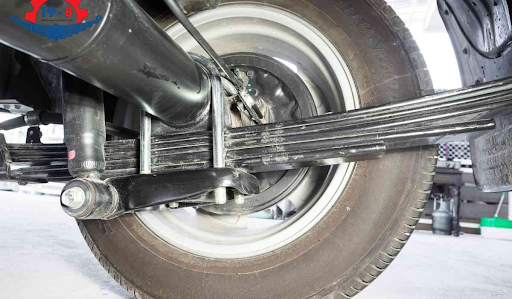
When it comes to keeping your truck or trailer running smoothly, one of the most important parts to maintain is the suspension. Among all the suspension parts, leaf springs play a major role. These parts are especially crucial if you drive heavy trucks or pull trailers often. Leaf Springs for Trucks & Trailers are designed to support the weight of the vehicle, absorb road shocks, and help maintain proper ride height.
However, like every part of a vehicle, leaf springs can wear out over time. Knowing when they need replacing can save you from bigger repairs and unsafe driving conditions. In this guide, we’ll break down the top 5 signs that your truck or trailer may need new leaf springs, helping you stay safe and comfortable on the road.
1. Sagging or Uneven Ride Height
One of the first and most obvious signs that your leaf springs need attention is sagging. When your truck or trailer starts to sit lower than usual, especially at the rear, it’s likely due to worn-out leaf springs. Leaf Springs for Trucks & Trailers are designed to hold up heavy loads, and over time they can lose their strength.
This sagging not only affects the look of your vehicle but can also create serious handling issues. When one side of your truck sits lower than the other, it puts more stress on the suspension, tires, and frame. Driving with a sagging vehicle can make steering feel harder and may even lead to uneven tire wear, costing you more money in the long run.
2. Excessive Bouncing While Driving
If your truck or trailer feels like it’s bouncing more than usual over bumps or rough roads, it’s time to inspect your suspension. While shock absorbers also help control bounce, Leaf Springs for Trucks & Trailers are the backbone of weight support and stability.
Over time, leaf springs can lose their shape and flexibility. This leads to your vehicle bouncing more, especially when carrying heavy loads. Excessive bouncing doesn’t just make for an uncomfortable ride—it also reduces traction, making it harder to control your truck or trailer in emergency situations. Ignoring this sign can make driving dangerous, especially at high speeds or on uneven surfaces.
3. Visible Damage or Cracks in the Leaf Springs
A visual inspection can tell you a lot about the condition of your leaf springs. If you notice cracks, breaks, or rust along the metal leaves, it’s a clear sign they need replacement. Leaf Springs for Trucks & Trailers are usually made of durable steel, but years of wear, moisture, and heavy use can lead to damage.
Cracked or broken leaf springs can’t support weight properly. In worst-case scenarios, this can lead to the spring completely snapping, causing the rear of your truck or trailer to drop suddenly. This not only damages other parts of your suspension but can also be very dangerous while driving, especially at highway speeds. Regular checks underneath your vehicle can help you spot these issues early.
4. Strange Noises Coming from the Suspension
Hearing strange sounds like squeaking, clunking, or rattling while driving should never be ignored. These noises often point to suspension problems, and worn-out Leaf Springs for Trucks & Trailers are a common cause. As leaf springs wear out, the metal leaves can rub against each other or shift in ways they shouldn’t.
These sounds can get louder when driving over bumps or making turns. In many cases, the noise could also be due to broken spring clips or worn-out bushings that hold the springs in place. Driving with noisy suspension isn’t just annoying—it’s usually a warning sign that a part of your suspension system, like the leaf springs, is failing and needs immediate attention.
5. Trouble Handling Heavy Loads
If your truck or trailer used to handle heavy loads easily but now seems to struggle, it’s a strong indicator that your leaf springs are worn out. Leaf Springs for Trucks & Trailers are specifically made to provide strong support under heavy weight. As they weaken, you’ll notice that hauling or towing feels much harder, and your truck might bottom out more often.
Bottoming out happens when your vehicle’s frame or axle makes contact with the ground or other parts of the suspension system. This can damage your vehicle and make towing or hauling unsafe. If your work depends on transporting heavy loads, keeping your leaf springs in good condition is not just a comfort—it’s a necessity for both safety and performance.
Quick Signs Your Leaf Springs Need Replacement:
- Rear of the vehicle sags lower than the front
- Excessive bouncing after going over bumps
- Visible cracks, rust, or breaks in the springs
- Loud squeaks or clunking noises from the suspension
- Difficulty towing or hauling heavy loads
Why Replacing Leaf Springs Matters
Replacing worn Leaf Springs for Trucks & Trailers isn’t just about improving ride quality—it’s about safety and efficiency. A failing suspension system can lead to uneven tire wear, poor fuel economy, and even accidents. If your leaf springs show any of these signs, it’s better to address the issue sooner rather than later. The cost of replacement is small compared to the potential costs of bigger vehicle repairs or unsafe driving conditions.
Conclusion
Your truck or trailer works hard, and Leaf Springs for Trucks & Trailers play a huge role in supporting that work. Ignoring the signs of worn-out springs can lead to expensive repairs, unsafe driving, and reduced performance. By watching for sagging suspension, increased bouncing, visible damage, strange noises, or trouble hauling heavy loads, you can catch problems early and take action.
Regular inspections and timely replacements of your leaf springs will keep your truck or trailer running smoothly, whether you’re heading down the highway or carrying heavy equipment to the job site. Don’t wait until small signs become big problems—protect your vehicle and your safety by making sure your suspension is in top shape.