

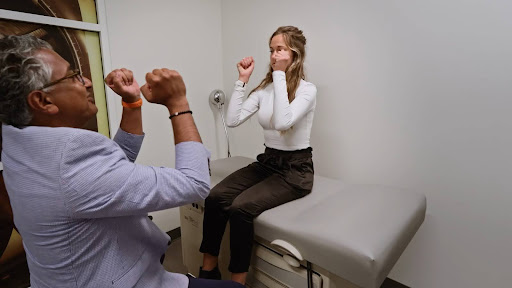
A pinched nerve can be a frustrating and sometimes painful condition that disrupts daily activities, from work to exercise to simple tasks like bending over or walking. The good news is that with the right care, recovery is possible—and often quicker than people expect. While every case is different, these five approaches can play a critical role in supporting pinched nerve healing and helping you get back to living without discomfort.
1. Understand the Cause Before Jumping Into Treatment
Before taking steps toward recovery, it’s important to know what’s actually causing the nerve compression. Pinched nerves in the spine are often the result of herniated discs, bone spurs, spinal stenosis, or even muscle tightness. Identifying the root cause allows for targeted treatment rather than a trial-and-error approach.
At Vertrae®: Kamal Woods, MD, MBA, FAANS, patients receive a thorough evaluation that may include physical exams, imaging, and a review of lifestyle factors. This helps ensure treatment is not only focused on relieving symptoms but also addressing the source of the problem for long-term results.
2. Prioritize Rest—But Don’t Overdo It
One of the most common mistakes people make when dealing with a pinched nerve is either pushing through the pain or resting too much. Rest is essential in the early stages to reduce inflammation and prevent further irritation. However, prolonged inactivity can lead to muscle stiffness and weakness, which can actually slow recovery.
Short, strategic rest periods—combined with gentle movement—help maintain circulation and keep supporting muscles from tightening. Light stretching or short walks can be introduced as soon as it’s comfortable to do so.
3. Use Conservative Treatments First
In many cases, a pinched nerve can be treated without surgery. Non-invasive options are often effective at reducing inflammation, easing pressure on the nerve, and promoting healing. Some of the most common conservative treatments include:
- Physical therapy to strengthen supporting muscles and improve flexibility
- Ice and heat therapy to manage inflammation and improve blood flow
- Non-steroidal anti-inflammatory drugs (NSAIDs) to reduce pain and swelling
- Posture correction to minimize ongoing nerve compression
Conservative care works best when started early, so seeking professional guidance as soon as symptoms arise is key.
4. Consider Targeted Injections for Relief
When inflammation is severe, targeted injections—such as corticosteroid injections—can be used to deliver relief directly to the source of the problem. These injections help reduce swelling around the nerve, allowing it to heal more effectively.
While injections are not a cure, they can significantly improve comfort, making it easier to participate in physical therapy or other rehabilitative treatments. In some cases, this combination approach can resolve symptoms without the need for surgery.
5. Explore Surgical Options When Necessary
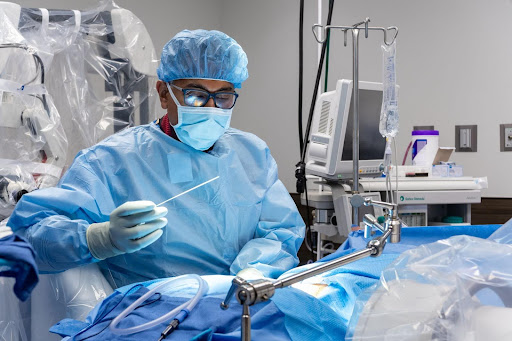
If conservative measures and targeted injections do not bring lasting relief, surgery may be the best option. Advances in minimally invasive spine surgery mean that many procedures now involve smaller incisions, shorter recovery times, and less disruption to surrounding tissues.
Surgery for a pinched nerve typically focuses on removing or reshaping the tissue that is pressing on the nerve—such as a portion of a herniated disc or bone spur—allowing it to heal and restore normal function. This step is generally recommended only after other methods have been tried without success.
How Long Does Healing Take?
The timeline for pinched nerve healing can vary widely depending on the severity of the compression, the underlying cause, and how quickly treatment begins. Some people may experience relief in a matter of days or weeks, while others may require several months of consistent care.
Factors such as overall health, age, activity level, and adherence to a recovery plan can also influence healing speed. The key is to follow a personalized treatment strategy and communicate regularly with your healthcare provider about any changes in symptoms.
Prevention: Keeping a Pinched Nerve from Coming Back
Once healing is complete, the focus should shift to prevention. This often includes:
- Maintaining good posture, both sitting and standing
- Strengthening core muscles to support the spine
- Avoiding repetitive movements that strain the back or neck
- Taking frequent breaks when working at a desk or using electronic devices
- Staying active with low-impact exercises like swimming, walking, or cycling
Preventive care not only protects against another pinched nerve but also supports overall spinal health.
Why Professional Guidance Matters
While home remedies and self-care are important, professional evaluation ensures that you’re taking the right steps for your specific situation. Self-diagnosing and self-treating can delay healing or even worsen the condition.
Working with a spine care team allows for accurate diagnosis, tailored treatment, and ongoing monitoring—helping you return to normal activities with confidence and reduced risk of recurrence.
Final Thoughts
A pinched nerve doesn’t have to mean weeks or months of suffering. By understanding the cause, balancing rest with activity, using targeted treatments, and seeking professional guidance, many patients can recover fully and return to their usual routines. Whether you need conservative care or advanced surgical solutions, having a clear recovery plan makes all the difference.