

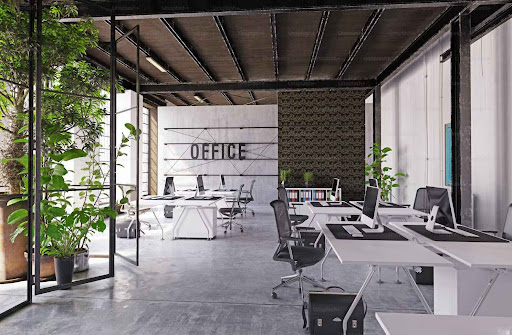
As the future of workplace and retail spaces continues to evolve, 2025 brings a new wave of commercial interior design trends that reflect not just aesthetic preferences but the cultural, environmental, and technological shifts happening globally. Whether it’s an office, co-working hub, retail outlet, or hospitality zone, commercial interiors are becoming more functional, sustainable, human-centric, and digitally connected than ever before.
1. Human-Centric Design: Putting People First
Human-centric design remains the cornerstone of office interiors in 2025. Instead of sterile, one-size-fits-all spaces, businesses are investing in environments that support mental wellness, physical comfort, and emotional connection. Design elements like natural lighting, biophilic installations, ergonomic furniture, and wellness rooms are gaining traction.
Companies are moving towards neuro-inclusive spaces that accommodate neurodiverse individuals, with flexible zoning, quiet areas, and multi-sensory environments. This trend reinforces the idea that employee well-being leads to enhanced productivity and business success.
2. Sustainable Materials & Circular Design
As climate awareness deepens, eco-conscious materials and circular design principles are at the forefront. Designers are opting for recycled composites, biodegradable fabrics, reclaimed wood, low-VOC paints, and carbon-neutral flooring. Sustainability is no longer a buzzword—it’s a non-negotiable standard.
More brands are embracing modular construction and demountable interiors, ensuring that furniture and partitions can be reused, moved, or adapted over time. This not only reduces environmental impact but also helps future-proof interiors for shifting business needs.
3. Hybrid Workspaces With Adaptive Layouts
With hybrid work now a permanent reality, 2025 design trends prioritize adaptability. Office designs are moving away from fixed layouts to modular and reconfigurable setups that support both collaboration and deep focus. Think movable partitions, retractable walls, and mobile furnishings.
Features like hot-desking zones, project-based team huddles, quiet pods, and informal lounge corners dominate the layout. These allow businesses to maximize real estate utility while catering to various workstyles within one space.
4. Experiential Retail & Immersive Branding
In commercial retail interiors, 2025 emphasizes experience over transaction. With e-commerce dominating product sales, physical retail stores are becoming brand experience centers. Stores are designed like showrooms, with interactive digital screens, AR/VR installations, and curated zones for social engagement.
Immersive branding includes storytelling through materials, lighting, sound design, and curated spatial journeys. It’s about allowing customers to emotionally connect with the brand and encouraging longer in-store dwell time.
5. Integration of Smart Technology
Smart technologies are becoming more seamlessly embedded into the commercial environment. From automated lighting, HVAC systems, occupancy sensors, to AI-driven climate controls, buildings are becoming more intuitive and responsive.
In 2025, voice-controlled meeting rooms, AI scheduling tools, app-based visitor management systems, and IoT-enabled assets are standard in cutting-edge workplaces. This not only improves efficiency but also supports data-driven decisions about space utilization.
6. Biophilic Design Becomes Mainstream
The connection between nature and well-being is now widely recognized. Biophilic design, which integrates natural elements into interiors, is no longer an option but a staple. This includes indoor gardens, vertical green walls, water features, raw textures, organic shapes, and ample daylight access.
These designs reduce stress, improve cognitive function, and enhance mood, making them highly desirable in both workspaces and hospitality settings. Expect to see more living ceilings, moss installations, and natural material palettes throughout 2025.
7. Artistic Expression & Local Identity
Commercial interior designers in Gurgaon are embracing regional culture and artistry to create authenticity. Art installations, local craftsmanship, and regionally sourced materials are being incorporated to connect with community identity and break away from cookie-cutter corporate aesthetics.
This hyper-local approach makes interiors feel genuine and inclusive, especially in global companies aiming to reflect local values. Murals, sculptures, handwoven textiles, and ethnic color palettes are becoming common in lobbies, break areas, and collaborative zones.
8. Monochrome Palettes with Bold Accents
While neutral tones like soft grays, warm taupes, and minimalist whites remain foundational, 2025 introduces striking accent colors to create energy and personality in spaces. Deep emeralds, terracotta reds, burnt orange, and classic navy are being used strategically in feature walls, upholstery, and decor.
This technique helps define zones, inspire specific emotional responses, and add layers of depth without overwhelming the eye. Color psychology continues to influence productivity, calmness, and brand recall.
9. Acoustic Innovation for Privacy and Comfort
In open commercial layouts, acoustic comfort is a critical design challenge. In 2025, we see a rise in acoustic panels, sound-absorbing ceiling baffles, privacy booths, and textured finishes that limit sound transfer.
Brands are incorporating acoustic lighting fixtures, such as pendant lights with felt surrounds, and wall art made from recycled acoustic materials, which combine aesthetics with functionality. These help improve speech privacy, reduce distractions, and foster concentration in shared environments.
10. Wellness Amenities as Core Infrastructure
Designing for well-being goes beyond seating and air quality. In 2025, companies are integrating dedicated wellness zones such as meditation rooms, nap pods, fitness lounges, mother’s rooms, and rooftop gardens.
These areas support holistic health and employee retention. Amenities like aromatherapy diffusers, circadian lighting systems, anti-fatigue flooring, and hydration bars reflect a shift from “perks” to essential infrastructure.
Top Materials, Colors & Finishes to Look For in 2025
- Materials: Terrazzo, bamboo, cork, eco-resin, polished concrete
- Fabrics: Organic cotton, recycled PET, wool blends, vegan leather
- Finishes: Matte textures, tactile laminates, oxidized metal, fluted glass
- Colors: Muted sage, clay, storm blue, sand beige with bold accents
Conclusion: A Future Defined by Purpose and Personalization
As we move through 2025, commercial interior design will be defined by agility, authenticity, and awareness. The office, retail, and hospitality environments will become spaces of experience, wellness, and sustainability—not just places of business.
Organizations that prioritize thoughtful design will not only stand out visually but also attract talent, inspire clients, and embody future-forward values.