

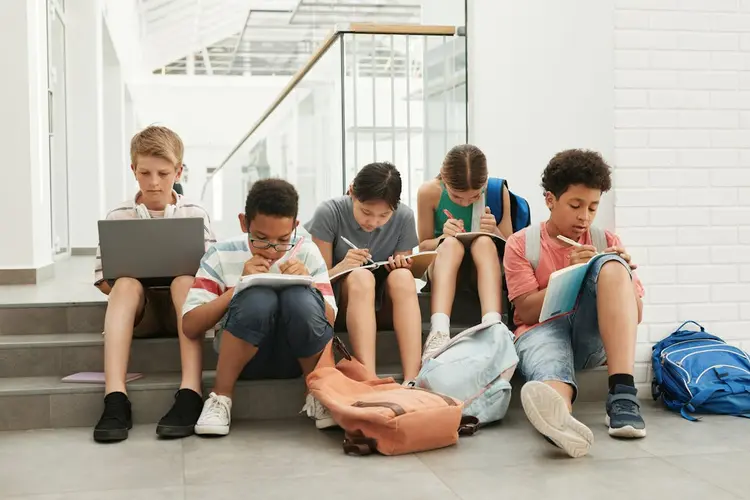
Key Highlights
- Melbourne’s middle schools offer a specialised environment for students transitioning from childhood to adolescence.
- The curriculum focuses on core subjects while introducing specialist learning in arts, technology, and languages.
- A strong emphasis is placed on student well-being through dedicated pastoral care and support services.
- Extensive co-curricular programmes, including sports, clubs, and arts, help students discover their passions.
- Leadership development and community initiatives are integral parts of the middle school experience.
- Structured transition programmes ensure new students feel supported and confident from day one.
Introduction
Choosing the right school for your child is crucial. Transitioning from primary to senior school can be challenging, but middle schools in Melbourne help ease this change. They provide a safe environment for learning and personal growth, support academic and social development, and prepare students for senior school. Middle schools also help children discover their interests and build confidence.
Understanding Middle Schools in Melbourne
In Australia, middle school helps young teens transition from primary to high school, supporting their academic and personal growth. While the Department of Education sets guidelines, some independent schools offer specialized programs to help students succeed during this important stage.
What Defines a Middle School?
A middle school is more than just grade levels—it’s designed specifically for students in their middle years. Its main goal is to offer a dynamic academic program where students can explore new subjects, make friends, and grow both academically and personally as they transition into their teens.
Teachers understand the needs of this age group, supporting students with academics and personal development while working closely with families. In Melbourne, public and private middle schools differ in resources, fees, and teaching approaches; private schools may offer specialized programs, while public schools are government-funded and usually free.
This supportive environment helps students navigate important changes, build confidence, and develop a lasting love of learning as they prepare for higher grades.
Year Levels Covered in Melbourne Middle Schools
The year levels that are part of a middle school can change from one place to another. Middle schools are there to help students during the important middle years of their education. In Melbourne, middle school usually goes from Year 5 to Year 8 or sometimes Year 9. This way, students get a steady and caring place to learn while going through a lot of changes at this time.
This middle school model is a step between how students learn in primary school and how much independence they need in secondary school. It lets students take on more schoolwork and get used to being more responsible over time, so they will be ready for the last part of school.
Because these year levels are together, schools can make programmes and give help that is right for the academic, social, and emotional needs of early teens. This way of doing things is not the same as the usual setup used by the Department of Education, where primary school covers Prep-6, and secondary school goes from Years 7 to 12.
Academic Curriculum and Learning Focus
A good middle school program is designed to be engaging and build on students’ existing knowledge while developing critical thinking skills. The aim is to deepen understanding and prepare them for high school.
Specialist teachers expose students to a wider range of subjects, and many schools offer experiential learning, allowing students to apply knowledge in real situations. This practical approach makes learning more meaningful and lasting, supporting both academic success and personal growth.
Core Subjects and Special Programmes
The curriculum at a leading middle school in Melbourne provides a strong foundation in all key learning areas, following the Australian Curriculum to ensure every student gets a solid start. Students study core subjects like English, Mathematics, Science, and Humanities, along with specialist classes for a well-rounded education. The curriculum includes:
- English and Mathematics
- Science and Humanities
- Health and Physical Education
- Languages (Mandarin, German, or Latin)
- Religion and Values Education
This approach prepares students for senior studies like the VCE. With diverse subjects and co-curricular activities such as netball, students can explore their interests and develop a broad skill set to help them succeed.
Incorporating Technology and Modern Pedagogy
To prepare students for a changing world, many middle schools now use technology and innovative teaching methods daily. It’s not just about having devices in class, but about using digital tools to build critical thinking, collaboration, and creativity. Technology helps students explore complex ideas and share their findings in engaging ways.
Specialist teachers often lead these efforts, using teaching styles that encourage participation. Experiential learning programs are key, moving beyond textbooks with hands-on activities that make difficult concepts real and develop problem-solving skills.
By blending traditional teaching with modern tools, schools create dynamic classrooms where students are motivated to learn and develop a lifelong love of learning.
Exploring Co-curricular Opportunities
A good middle school education goes beyond classroom lessons. Co-curricular programs—including clubs, sports, and outdoor activities—let students discover their strengths, meet new people, and build teamwork skills. Joining interest groups or the performing arts boosts confidence, encourages collaboration, and helps develop leadership outside regular classes.
Clubs, Sports, and the Arts
A wide range of clubs makes middle school life lively and engaging. Many Melbourne independent schools offer co-educational activities, encouraging all students to participate. Options include competitive sports, creative arts, debating, music ensembles, and performing arts.
Students learn new skills and may become team captains or group leaders. These clubs help students connect with peers who share their interests and work with supportive teachers. Joining activities like sports or theatre builds teamwork, confidence, and a sense of belonging at school.
Leadership and Community Initiatives
Building leadership skills is key to personal development in middle school. Top schools for Years 5–9 offer students opportunities to take on responsible roles and improve their communities. Through activities like student councils, sustainability teams, and house leadership, students learn to be fair, positive, and caring advocates.
Service-learning combines hands-on work with reflection, teaching respect for diverse groups. Outdoor education camps also promote teamwork, strength, and trust. These experiences help students develop strong leadership skills and become active, caring community members.
Student Wellbeing and Support Services
Student well-being is vital, especially in the teenage years. Leading middle schools prioritize personal development and caring relationships, knowing students thrive with strong support. Comprehensive support systems help every child feel valued and understood. Focusing on wellbeing builds resilience, equips students to handle challenges, and helps them finish the year positively.
Pastoral Care and Personal Development
Good pastoral care in schools helps students feel safe, supported, and motivated. It teaches them to manage their emotions, which benefits both grades and friendships. Strong care is reflected in school culture, the website, and campus atmosphere—often more telling than reviews.
Many schools use restorative practices to encourage open communication and trust. These methods help students share feelings, listen to others, and resolve conflicts in healthy ways. The Australian Government’s Student Wellbeing Hub states, “Positive relationships are fundamental to wellbeing and learning.”
By discussing values together, students develop empathy and lifelong friendships. Effective support fosters personal growth alongside academic success.
Transition Programmes for New Students
Starting at a new school is a big step. Most schools offer transition programs to help new middle school students feel welcome and comfortable.
Staff work with students and parents to learn about each student’s interests and strengths, creating personalized learning plans. This support helps students make friends, succeed academically, and feel confident from day one.
The goal is to give every middle school student a strong start and prepare them for senior school.
Frequently Asked Questions
Finding the right middle school in Melbourne can bring up a lot of questions. Parents often want to know what kinds of academic programs are at each middle school. They may ask how specialist teachers help middle school students learn by doing through hands-on and experiential learning programs. People also want to know what variety of clubs are open to the students. Some of these clubs might be netball or theatre, which many kids in Melbourne enjoy.
There is also a focus on helping middle school students with their personal development and building leadership skills. Many parents look into how the middle school follows the Department of Education’s rules and standards. Knowing all this helps people make good choices for their children’s path to secondary school.
How do I enrol my child in a middle school in Melbourne?
To have your child join a middle school, you need to talk to the school you like best. Ask them about how to apply and when you should do it. If you want to find out about government secondary school choices, use the Department of Education website. You will get help on how to enrol in Australian schools there.
What is the difference between public and private middle schools in Melbourne?
The big difference between public and private middle schools is the way that both get money and what you pay. Public schools get money from the government. But private schools ask you to pay fees. Private schools may offer their own type of academic program. They might have a certain way of teaching or use other rules when letting kids join.
How do I find which middle school zone I live in within Melbourne?
You can see your middle school zone for public school enrolment on the Victorian Department of Education website. Go to the Find my School tool and type in your address. This will show you the secondary school options for your area.
Conclusion
Melbourne’s middle schools offer a balanced mix of learning and fun, focusing on student wellbeing and support. With the right environment, your child can thrive. Understanding available programs helps you choose the best fit for your family.
Melbourne middle schools use modern technology and teaching methods to prepare students for the future and support their well-being. Now is a great time to explore top middle school options.
If you need help choosing a school, advice is available.