

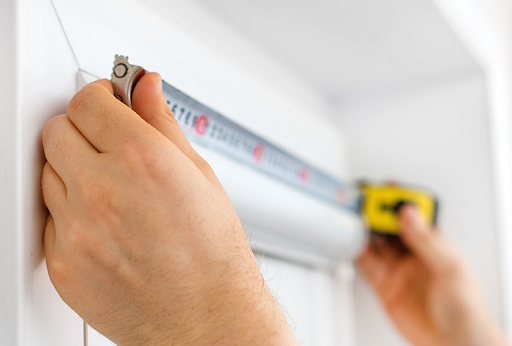
Sheer curtains only look elegant when they fit the window properly. A panel that’s too narrow leaves gaps of harsh Dubai sunlight along the edges, while one that’s too short looks awkward and unfinished. The good news is that measuring for sheer curtains isn’t complicated once you know the right steps. This guide walks you through the exact process, from choosing your mounting style to getting the width and drop right the first time, so your custom curtains arrive ready to hang with no surprises.
Why Accurate Measurements Matter
Custom Sheer Curtains Dubai are cut and stitched to the exact measurements you provide, so there’s very little room to fix a mistake after the fact. Dubai homes add their own challenges too. Floor-to-ceiling windows, bay windows in villas, and older apartment frames that aren’t perfectly level all make guesswork risky. A small measuring error can mean your Sheer Curtains Dubai hang unevenly, drag on the floor, or look stretched instead of soft and beautifully gathered.
Tools You’ll Need
- A metal measuring tape (fabric tapes stretch and give inaccurate readings)
- A step stool or ladder for higher windows
- A notepad or phone to record numbers as you go
- A helper, if possible, to hold the tape steady on wider windows
Step 1: Decide on Your Mounting Style
Before picking up the tape measure, decide how you want the curtain to hang, since this changes every measurement that follows.
- Inside mount: The rod or track sits inside the window recess, giving a neat, built-in look. Common in offices and minimal interiors.
- Outside mount: The rod is fixed to the wall above and beyond the window frame. This is the most popular choice in Dubai homes, since it makes windows look larger and allows full light coverage when the curtains are closed.
- Ceiling mount: The track is fixed to the ceiling, ideal for floor-to-ceiling glass walls common in Dubai apartments and villas, creating a dramatic, full-height drape.
Step 2: Measure the Width
For an outside or ceiling mount, start by measuring the width of the window frame itself, then decide where the rod will actually sit, since the rod is normally wider than the frame, not the same size.
- Measure the width of the window opening, from outer edge to outer edge.
- Add roughly 10 to 15 cm (4 to 6 inches) on each side. This lets the curtain rod extend past the frame, so when the curtains are opened, they stack neatly to the sides instead of blocking the glass.
- For sheer curtains specifically, multiply the final rod width by 1.5 to 2 times to get your fabric width. Sheer fabric needs this extra fullness to look soft and layered instead of flat and stretched across the rod.
- For an inside mount, measure the width inside the window recess at the top, middle, and bottom, then use the narrowest of the three numbers so the track fits without rubbing against the frame.
Step 3: Measure the Drop (Length)
The drop is measured from the rod or track down to wherever you want the curtain to end, and this single decision changes the whole look of the room.
- Floor-length: Measure from the rod down to just above the floor, leaving about 1 to 2 cm clearance so the fabric doesn’t drag or gather dust.
- Puddle or floor-touching: Measure to the floor exactly, or slightly beyond if you want a soft puddle effect at the base.
- Sill-length: Measure down to the windowsill, which works well in kitchens or smaller rooms where floor-length fabric would be impractical.
- Always measure on both the left and right sides of the window. Many Dubai apartments, especially older buildings, have floors or ceilings that aren’t perfectly level, so use the shorter of the two measurements to keep the curtain hanging evenly.
Step 4: Account for Stack-Back Space
Stack-back is the space your curtains take up on either side of the window when fully opened. Sheer curtains need enough clearance so they don’t cover the glass even when pulled back, especially if the room relies on that fabric to soften direct sunlight without blocking the view. A simple rule many curtain fitters use is to divide your total panel width by three to estimate the space needed per side, then add this figure to your total width measurement so the rod extends far enough past the frame. Careful planning during Curtain Installation Dubai ensures the rod extends correctly beyond the window frame, allowing the curtains to stack neatly, move smoothly, and let in the maximum amount of natural light when opened.
Step 5: Factor in Hardware
Rod finials, brackets, and decorative end caps all add extra length to your final width, and it’s easy to forget them until the curtains arrive slightly short.
- Finials typically add 3 to 5 cm on each side.
- Wall brackets need a little clearance behind them, particularly on heavier tracks used for double-layer setups with sheers and blackout curtains together.
- If you’re combining a sheer layer with a blackout layer, measure both to the same width and drop so they hang evenly together.
Common Measuring Mistakes to Avoid
- Measuring only the window frame instead of the planned rod position.
- Using a fabric tape measure, which stretches and throws off the numbers.
- Forgetting extra width for fullness, which leaves sheer curtains looking flat and skimpy instead of soft and layered.
- Ignoring uneven floors or ceilings, common in older Dubai buildings, and not adjusting for the shorter side.
- Skipping a double-check measurement before placing a custom order, since these panels can’t easily be resized once cut.
Quick Reference Checklist
- Choose your mount: inside, outside, or ceiling.
- Measure width at the rod position, not just the window frame.
- Add 10-15 cm extra width on each side for stack-back.
- Multiply width by 1.5-2x for sheer fabric fullness.
- Measure drop on both sides and use the shorter number.
- Account for finials, brackets, and any double-layer setup.
- Use a metal tape measure and re-check before ordering.
Final Thoughts
Getting the width, drop, and mounting style right is really the only technical part of choosing sheer curtains, and it’s worth the extra ten minutes with a tape measure. Once you have accurate numbers, you can focus on the fun part: picking the fabric, color, and header style that suits your Dubai home. If you’re ever unsure about a tricky window, such as a bay window or a floor-to-ceiling glass wall, it’s worth asking your curtain supplier for an in-home measuring visit before placing a custom order.