

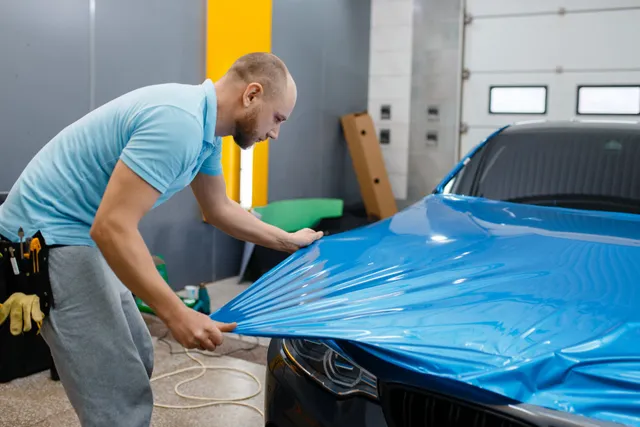
Vinyl wraps are a fantastic way to transform your vehicle’s appearance while offering a layer of protection for the original paint underneath. They can give your car a fresh new look, advertise your business, or simply protect against minor scratches and chips. However, like any investment, a vinyl wrap requires proper care to maintain its longevity and vibrant appearance.
Unfortunately, many people make common mistakes that can shorten the lifespan of their wrap and even damage it. If you’re just investing in a new car wrap, we recommend getting familiar with some of these pitfalls and how to avoid them to give you long-lasting results.
The Perils of Using The Wrong Cleaning Products:
Vehicle vinyl wraps are typically made from thin, flexible, high-performance self-adhesive PVC (polyvinyl chloride) film. The direct benefits of wrapping are numerous, from offering excellent paint protection from minor scratches, chips, UV rays, and road debris, to actually preserving the original paint underneath. However, a wrap can easily get damaged when you use cleaning chemicals on them.
Using the wrong cleaning products is a major culprit in vinyl wrap damage. Many household cleaners contain harsh chemicals, abrasives, or solvents that can dull the finish, discolor the vinyl, or even cause it to peel. Avoid anything containing bleach, ammonia, or strong degreasers including your favorite dish soap. These chemicals work by breaking down the wrap’s protective layer. Using the wrong products can lead to a variety of issues such as:
- Fading
- Cracking
- Peeling
- Discoloration
In some cases, the adhesive can be compromised, leading to bubbling or lifting. Ultimately, you’ll end up needing a costly repair or replacement.
Using specifically formulated vinyl wrap cleaners or a mild soap and water solution will keep your wrap looking its best. These gentle cleaners won’t harm the vinyl and will effectively remove dirt, grime, and road film. They also help maintain the wrap’s original sheen and protect it from environmental damage.
Always use pH-neutral cleaners specifically designed for vinyl wraps. If you’re unsure, a mixture of mild car wash soap and water is a safe bet. Always test any new cleaner on a small, inconspicuous area first.
Washing Woes: Techniques That Damage
Improper washing techniques can also wreak havoc on your vinyl wrap. Using abrasive sponges, brushes, or even excessively hot water can damage the film and dull its finish, leaving behind unsightly marks.
As with paint, it’s always best to hand wash your car with a soft microfiber cloth or sponge and plenty of clean, cool water. Wash the car in the shade to prevent the water from drying too quickly. Rinse thoroughly and then dry the vehicle with a clean, soft microfiber towel. Letting the car air dry can lead to water spots, which can be difficult to remove.
While pressure washers can be tempting for a quick clean, they can be extremely damaging to vinyl wraps if used incorrectly. The high pressure can lift the edges of the wrap, tear the film, or even blast away sections of the design. If absolutely necessary, and you are very careful, you might be able to use a pressure washer on a very low setting with a wide nozzle, keeping the nozzle far away from the surface and avoiding edges. However, this is generally discouraged.
Another great choice is to invest in a foam lance, also known as a “foam canon.” Washing a wrapped car with a foam lance offers several key benefits. The foam lance creates a thick, clinging layer of foam that encapsulates dirt and grime, allowing it to dwell on the surface and loosen contaminants before they are physically touched. This “pre-soak” reduces the amount of direct contact and scrubbing required, minimizing the risk of scratching or marring the finish of your paint and wrap. The combination of the foam’s dwell time and the gentle cleaning action of the appropriate soap makes for a safer and more effective cleaning process, preserving the longevity and appearance of the vinyl wrap.
Ignoring Stains: A Recipe for Disaster
Ignoring stains on your vinyl wrap is a big mistake. The longer a stain sits, the harder it will be to remove. Some substances can even permanently damage the vinyl if left untreated, reducing the lifespan of the vinyl car wrap. Addressing stains immediately increases the chances of removing them completely without damaging the wrap. This keeps your vehicle looking its best and prevents long-term discoloration.
Organic Matter
- Bird droppings: These are acidic and can etch into both paint and vinyl if left to dry.
Tree sap: Sticky and difficult to remove, it can also attract other debris. - Insects: Bug splatter can leave behind surprisingly tough protein stains.
- Pollen: While seemingly harmless, pollen can accumulate and create a film, especially in certain seasons.
Liquids
- Water spots: Hard water can leave mineral deposits, especially if the car is left to air dry.
- Road salt: Used in winter, it’s corrosive and can cause rust on paint and damage vinyl.
- Fuel: Spills can damage the paint and some types of vinyl.
- Coffee, juice, and other beverages: These can leave stains if not cleaned up promptly.
Environmental Factors
- Dirt and grime: Everyday driving exposes your car to all sorts of road debris.
- Acid rain: Polluted rainwater can leave spots and damage the clear coat or vinyl.
Sun exposure: UV rays can cause fading over time, especially in darker colors.
Other
- Oil and grease: These can come from engine leaks, spills, or even road grime.
- Industrial fallout: Airborne particles from factories can settle on your car and cause damage.
Prompt cleaning is key! Vinyl wraps are more porous than paint, so they can be more susceptible to staining if not properly protected. The longer a stain sits, the harder it will be to remove. This can detract from the appearance of your vehicle and potentially require costly repairs or even a complete wrap replacement
Use a mild soap and water solution and a soft cloth. For tougher stains, you may need to use a specialized vinyl wrap cleaner. Always test any cleaner on an inconspicuous area first. If the stain persists, consult a professional vinyl wrap installer for advice.
To avoid deteriorating your vinyl, ensure to always inspect your vehicle and clean off contaminants as quickly as possible. It’s always a good idea to keep a compact kit with you in to tackle these unexpected stains before it’s too late.
Sealants and ceramic coatings specifically formulated for vinyl can add an extra layer of protection against the elements, making the wrap easier to clean and extending its lifespan.
4. No Wax Zone: How to Protect Your Wrap
Waxing a vinyl wrap is generally discouraged and can even be detrimental. Unlike paint, vinyl wrap film is more porous due to its elastic nature, and wax, especially carnauba-based waxes, can build up and become trapped in these pores, creating a hazy or dull appearance that’s difficult to remove. This buildup can also attract dirt and grime, making the wrap harder to clean. Some waxes also contain chemicals that can react negatively with the vinyl, potentially causing discoloration, cracking, or lifting. While some synthetic sealants and “spray waxes” designed for wraps exist, traditional waxes are typically too thick and can interfere with the wrap’s intended finish, whether it’s matte, satin, or gloss. Instead of waxing, using a quick detailer or a specialized vinyl wrap sealant is a much better approach
A variety of specialized products are designed specifically for the care and maintenance of vehicle wraps. Using the wrong products on your vehicle can break down the finish or adhesive of your car wrap, reducing its lifespan.
Quick detailers and spray waxes, also designed for wraps, can be used between washes to enhance gloss, remove light dust and fingerprints, and provide a layer of protection against UV rays and environmental contaminants. Sealants and ceramic coatings specifically formulated for vinyl can add an extra layer of protection against the elements, making the wrap easier to clean and extending its lifespan.
By avoiding these common mistakes and following proper care instructions, you can keep your vinyl wrap looking its best for years to come, protecting your original paint and maintaining that fresh, vibrant look you love. Remember, a little preventative maintenance goes a long way in preserving your investment.
Do you need help finding the best vehicle wrapping services near me in the Bay Area? If yes, we recommend visiting Vinyl Ink in Fremont, CA, today. Apart from offering the best vehicle wraps, this company also has a team of experts who are readily available to guide you on how to best use your car wraps.