

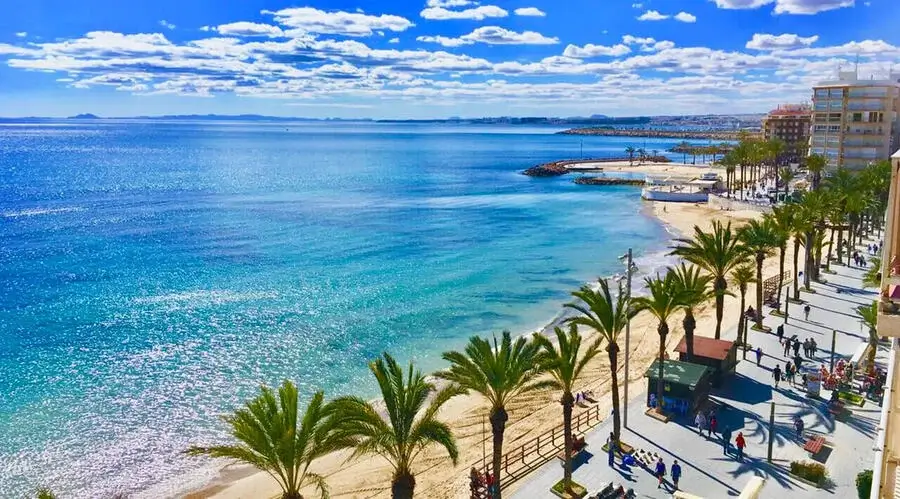
Located on Spain’s southeastern Mediterranean coast, Torrevieja is a picturesque seaside town in the province of Alicante, within the autonomous community of Valencia. Known for its sun-drenched beaches, salt lakes, and vibrant expatriate community, Torrevieja has grown from a small fishing village into a thriving urban center and popular tourist destination. With its unique blend of natural beauty, rich history, and modern amenities, Torrevieja offers a lifestyle that attracts both visitors and residents from around the world.
A Brief History
The name Torrevieja translates to “old tower,” a reference to a watchtower that once stood in the area. In the 18th and early 19th centuries, Torrevieja was a modest settlement whose main economic activity revolved around fishing and salt production. The town’s transformation began in the early 19th century when it was officially declared a municipality and began exporting salt on a much larger scale. The nearby Laguna Salada de Torrevieja (Torrevieja Salt Lake) became a major source of income and employment.
Even today, salt remains an integral part of the local economy and identity. Salt production in Torrevieja is among the most significant in Europe. Visitors can even see the giant salt mounds at the edge of town, and tours of the salt flats are available for those interested in the process and history behind this ancient industry.
Geography and Climate
Torrevieja is uniquely positioned between two large saltwater lagoons: Laguna Salada de la Mata and Laguna Salada de Torrevieja, which form part of a protected natural park. These salt lakes not only provide stunning scenery but also contribute to the town’s health-oriented tourism. The microclimate created by the salt flats, along with the Mediterranean Sea, is said to have beneficial effects on conditions such as arthritis, asthma, and certain skin diseases.
The climate in Torrevieja is one of its biggest draws. The town enjoys over 300 days of sunshine per year, with mild winters and hot, dry summers. Average temperatures range from 12°C in winter to over 30°C in summer, making it a year-round destination for sun-seekers.
Beaches and Natural Beauty
Torrevieja boasts more than 20 kilometers of coastline, offering a variety of beaches to suit all preferences. Popular beaches include Playa del Cura, Los Locos, La Mata, and Playa de los Náufragos. These beaches are known for their clean waters, fine sand, and accessibility. Many are Blue Flag certified, indicating high environmental and safety standards.
In addition to beaches, nature lovers can explore the Parque Natural de las Lagunas de La Mata y Torrevieja, a protected area home to flamingos, storks, and other migratory birds. The salt lakes often take on a pink hue due to the presence of certain algae and bacteria—a sight that draws photographers and nature enthusiasts alike.
A Cultural Mosaic
One of the defining features of modern Torrevieja is its diverse population. It is estimated that more than 40% of the town’s population is foreign, with large communities of British, German, Scandinavian, and Russian residents. This multicultural environment is reflected in the town’s services, from international schools to global cuisine, and makes Torrevieja an especially appealing destination for expatriates.
Despite its modern development, Torrevieja retains a strong sense of local culture. The town hosts a number of festivals throughout the year, including the Habaneras and Polyphony International Contest, which celebrates traditional sea shanties known as habaneras. Other notable events include the Semana Santa (Holy Week) processions and the Carnival of Torrevieja, a colorful and lively celebration held each February.
Living in Torrevieja
The town offers a high quality of life at a relatively low cost compared to other parts of Spain or Western Europe. With a wide range of real estate options—from budget apartments to luxury villas—Torrevieja caters to both retirees and younger families. The healthcare system is excellent, with modern hospitals and clinics that often have multilingual staff. Public transportation is efficient, and Alicante International Airport is just a 40-minute drive away, offering connections to most major European cities.
Shopping and dining in Torrevieja are also top-notch. The Habaneras Shopping Center features both international and Spanish brands, while the local markets, such as the massive Friday Street Market, offer everything from fresh produce to clothing and household goods. Culinary options range from traditional Spanish tapas and paella to Italian, Chinese, Indian, and British pub fare.
Tourism and Attractions
Tourism remains a cornerstone of Torrevieja’s economy. In addition to its beaches and natural parks, the town offers a number of attractions:
● The Torrevieja Salt Museum, which details the history and methods of local salt production.
● The Submarine S-61 Delfín, a retired Spanish Navy submarine turned museum that visitors can explore.
● Paseo Marítimo, a scenic promenade lined with restaurants, bars, and shops, perfect for a leisurely stroll by the sea.
● Aquopolis Water Park, popular among families during the summer months.
Boat trips and excursions to nearby islands like Tabarca are also available, offering opportunities for snorkeling, diving, and marine wildlife spotting.
Conclusion
Torrevieja is much more than a typical beach town. Its unique combination of natural wonders, cultural richness, and modern infrastructure make it an ideal destination for tourists and a welcoming home for residents. Whether you’re looking to relax under the Mediterranean sun, explore local traditions, or settle into a new life abroad, Torrevieja offers something for everyone. With its affordable living, stunning landscapes, and diverse community, this vibrant town continues to grow in popularity year after year.