

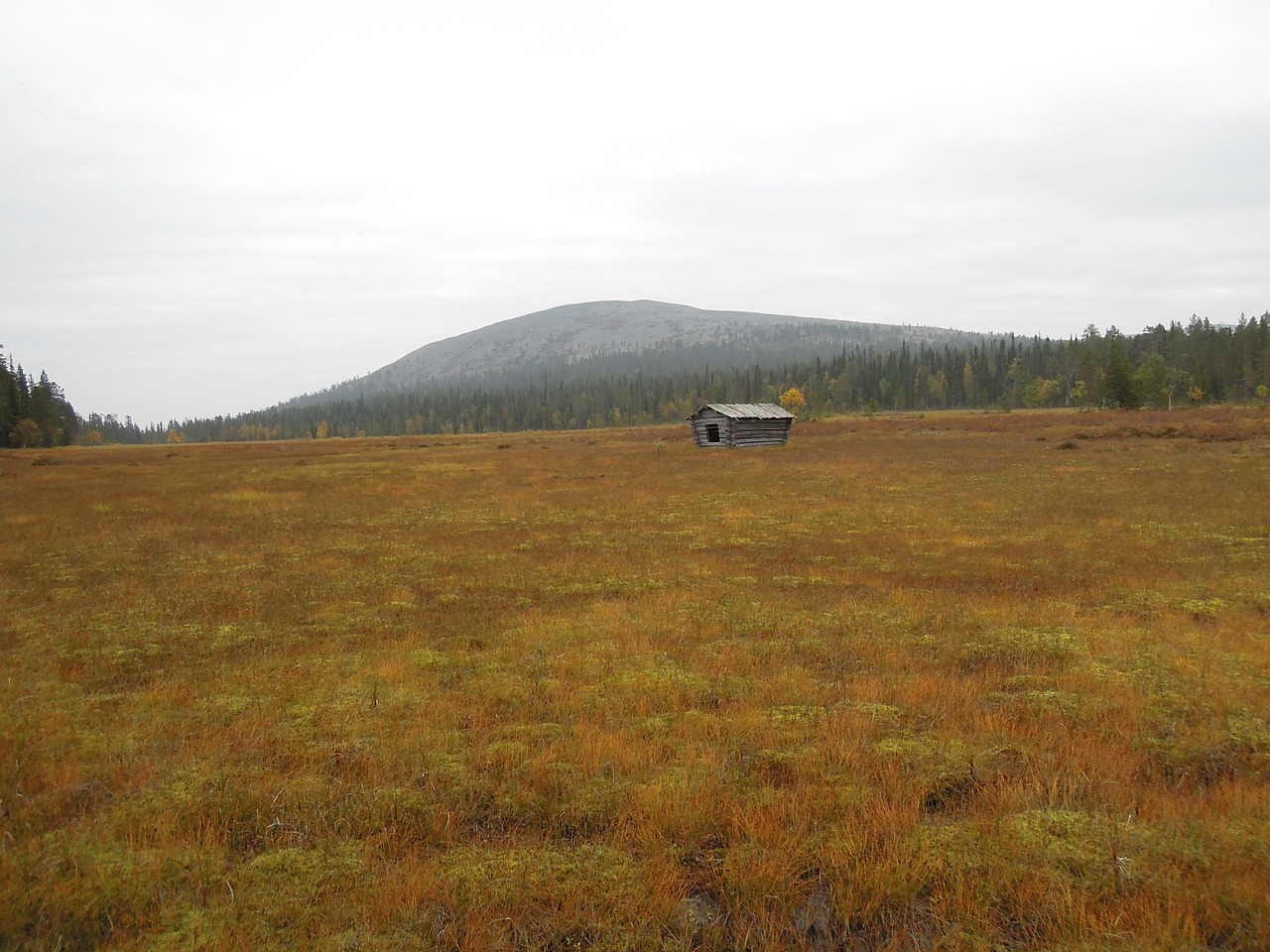
Preparing land for development or agricultural use is a crucial step in ensuring the success of any construction, farming, or landscaping project. Among the most fundamental processes in this preparation is land clearing. Though it may seem like a straightforward task, it involves a comprehensive range of techniques, tools, and environmental considerations. This article provides an in-depth look at the world of land preparation, focusing on the importance, methods, benefits, and long-term impact of effective vegetation and obstacle removal.
Why Land Preparation Matters
Land is one of the most valuable resources for humans. Whether it’s for residential development, commercial use, farming, or conservation, properly preparing the land is critical to success. The presence of trees, stumps, rocks, underbrush, and debris can pose significant barriers to construction or agricultural productivity. Clearing this clutter allows for:
- Improved accessibility and usability
- Enhanced soil quality and drainage
- Easier implementation of design and layout plans
- Reduction in pest habitats and fire hazards
Without proper clearing, development projects can face costly delays, safety risks, and poor outcomes. Hence, planning and executing this process with precision is a fundamental step.
Methods of Terrain Clearing
There are multiple methods to prepare land, each with its advantages depending on the type of terrain, intended use, and environmental conditions. The most common techniques include:
1. Manual Clearing
This involves the use of hand tools such as axes, machetes, and chainsaws. Though labor-intensive, it’s suitable for small plots or sensitive areas where minimal disruption is desired. Manual methods are ideal for:
- Clearing around existing structures
- Gardening or landscaping
- Removing invasive plant species with precision
2. Mechanical Clearing
This method employs machinery like bulldozers, excavators, and forestry mulchers. It’s ideal for large-scale projects or sites with dense vegetation. Mechanical clearing offers speed and efficiency but may disturb the soil and existing ecosystems.
3. Chemical Clearing
Using herbicides to remove unwanted vegetation is common in agricultural settings. This method is best suited for large fields that require the removal of weeds and brush without disturbing the soil structure. It must be applied carefully to avoid environmental harm.
4. Controlled Burning
In some regions, burning is a method used to clear vegetation and enrich soil with nutrients. It’s a controversial method due to environmental concerns but can be effective in certain conditions when professionally managed and regulated.
Equipment Used in Site Preparation
Proper tools and equipment are essential to achieving effective results. The choice depends on the scale and complexity of the project. Key machinery includes:
- Bulldozers: Ideal for pushing large trees and brush into piles.
- Excavators: Used to dig out roots and stumps.
- Skid Steers: Excellent for smaller areas and versatile attachments.
- Forestry Mulchers: Shred vegetation into mulch in a single step.
- Stump Grinders: Remove tree stumps cleanly and quickly.
For smaller projects, manual tools like axes, hoes, and rakes are sufficient. Choosing the right combination of tools can significantly impact the timeline and cost of the project.
Environmental Considerations
While preparing a site is essential for development, it must be done responsibly. Disrupting the natural ecosystem can have long-lasting consequences if not handled with care. Key environmental considerations include:
- Soil Erosion: Removing vegetation can expose the soil, making it susceptible to erosion. Retaining buffer zones and applying mulch can help prevent this.
- Water Runoff: Improper clearing can alter water flow and contribute to flooding or contamination.
- Wildlife Displacement: Clearing land disrupts habitats. It is crucial to conduct a survey and plan around protected species or nesting periods.
- Tree Preservation: In some cases, mature trees can be integrated into the landscape plan, adding value and aesthetics to the property.
Sustainable practices like selective clearing and leaving organic matter to decompose can help maintain ecological balance.
Safety Measures and Planning
Site preparation involves heavy equipment, sharp tools, and potentially hazardous materials. Ensuring the safety of workers and surrounding areas is a top priority. A safe project begins with a detailed site assessment to identify:
- Terrain hazards such as steep slopes or unstable soil
- Utility lines (above and below ground)
- Access points for machinery
- Required permits and legal clearances
Safety equipment such as helmets, gloves, goggles, and high-visibility clothing is mandatory for all personnel. Training on equipment use and emergency procedures is also essential.
Costs and Budgeting
The cost of clearing a site can vary significantly depending on several factors:
- Size and density of vegetation
- Accessibility of the land
- Method of clearing
- Equipment rental or contractor fees
- Disposal of debris
Projects are typically priced by the acre or by the hour. While do-it-yourself methods may appear cheaper, hiring professionals often ensures faster, safer, and more thorough results, especially on complex terrains.
Post-Clearing Steps
Clearing the land is only the beginning. After the vegetation is removed, additional steps may be necessary to prepare the site for its intended use:
- Grading: Leveling the ground for foundations or planting.
- Soil Testing: Determining nutrient levels and pH for agricultural applications.
- Drainage Planning: Installing systems to manage water flow.
- Erosion Control: Using silt fences, retaining walls, or seeding to stabilize the soil.
- Fencing or Marking: To define boundaries and secure the area.
Properly executed post-clearing steps ensure the long-term usability and stability of the land.
Modern Trends and Technology
The world of land preparation continues to evolve with the introduction of new technologies aimed at improving efficiency and reducing environmental impact:
- GPS and GIS Mapping: Helps in planning and executing projects with high precision.
- Drones: Used for aerial surveys, progress tracking, and environmental monitoring.
- Hybrid Equipment: Machines with lower emissions and higher fuel efficiency.
- Remote-Controlled Tools: Allow operators to clear difficult terrain from a safe distance.
These innovations not only speed up the clearing process but also contribute to safer, more sustainable practices.
Agricultural and Commercial Applications
Land preparation is vital for both agricultural and commercial purposes. In agriculture, preparing the ground for crops or pasture can increase yields and reduce labor in the long term. Commercially, cleared land is necessary for:
- Shopping centers
- Industrial parks
- Schools and hospitals
- Roadways and public infrastructure
In both cases, a properly prepared site ensures that future construction or planting is structurally and functionally sound.
Long-Term Land Management
Clearing land is not a one-time process. Especially in areas with aggressive vegetation or unstable soil, ongoing management is required. This may involve:
- Periodic clearing of regrowth
- Monitoring for erosion or invasive species
- Maintaining access roads and trails
- Implementing reforestation or conservation plans
A proactive approach to land management preserves property value and minimizes future costs.
Final Thoughts
Proper land preparation lays the foundation for every successful development, agricultural endeavor, or conservation project. It is more than just removing trees and brush—it is a strategic, multifaceted process that involves planning, environmental stewardship, and the application of the right tools and techniques.
When done responsibly, Land Clearing creates opportunities for growth while maintaining the integrity of the environment. By understanding the different methods, tools, and considerations involved, landowners and developers can make informed decisions that lead to efficient, sustainable outcomes.
Hiring experienced professionals, following safety protocols, and considering the long-term impacts of your choices will ensure that your cleared land serves its purpose today—and continues to do so well into the future. Whether your goal is construction, farming, or restoration, Land Clearing plays a pivotal role in turning potential into reality.
The importance of Land Clearing cannot be overstated when transforming raw, unused terrain into spaces that benefit communities, ecosystems, and the economy. Proper execution ensures a solid start to any project and sets the tone for everything that follows.