

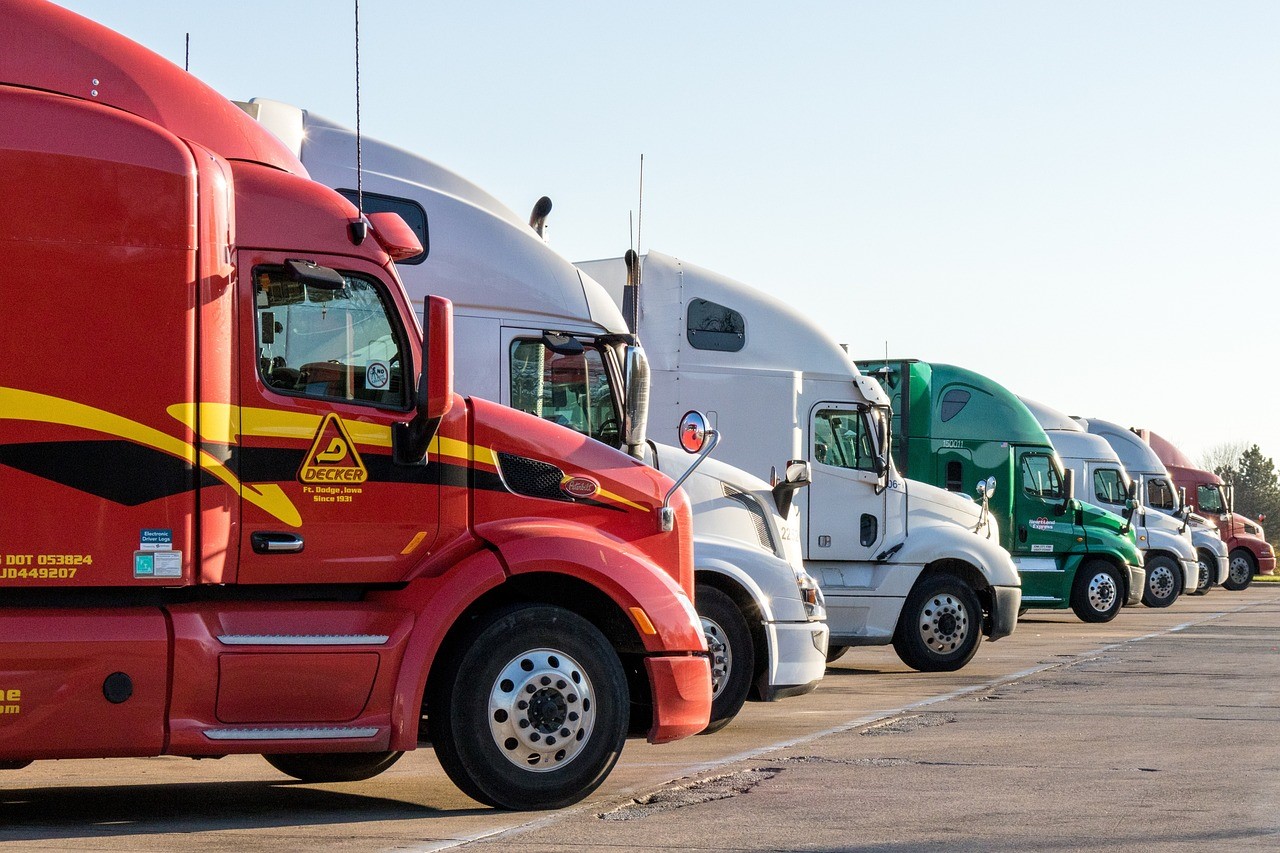
The trucking industry is a vital part of the American economy—millions of trucks course through the land to get goods from point A to B daily. However, the heavy weight and size that cause accidents create impending disasters. Hence, this evolving industry keeps changing for the good by adopting technologies and innovations that enhance truck safety. It is pretty safe to say that this year has been exceptional in innovation regarding truck safety features that keep truck drivers, passengers, and other innocent road users safe.
This article reviews some of the most significant innovations in truck safety this year, which promise significant improvement in road safety. Lately, we have considered the ADAS technological advancements and some technologies in real-time applications.
Other potential game-changer safety features are discussed because they represent some prominent faces in the automotive industry that will drive a future away from accidents and toward an avenue toward saved lives.
A Year of Innovations
Statistics tell the tale: large trucks have been involved in thousands of fatal crashes in the U.S. in recent years. Such crashes cause not just tragic loss of life but also create disruptions in the economy. All stakeholders in trucking and truck regulation issues- manufacturers, technology companies, and regulators alike-are working to provide safety to those trucks.
Truck Driver News is an excellent source of insight into those developments. In the past year, much progress has been made under the pressure of several factors- advancement of technology, increasing public awareness, and mandatory regulations- in developing and implementing advanced safety features.
These technological changes are not just bells and whistles for trucks but changing the paradigm of safety and sustainable-efficient trucking. Between advanced driver-assistance systems and enhanced vehicle stability controls, these technologies are redefining truck capabilities to protect those on the road.

Advanced Driver-Assistance Systems (ADAS) Leading the Way
One major truck safety trend is the increasing acceptance of Advanced Driver-Assistance Systems. These systems generate real-time information and assist the driver in avoiding potential danger using sensors, cameras, and some of the most innovative software known to man. Hence, the ADAS features have matured from warning signals to having higher functions of stopping and even helping the driver in accident prevention:
1. Autonomous Emergency Braking (AEB)
The AEB system works via sensors that detect danger before the truck. If a vehicle or pedestrian is detected directly in front of the truck, the system operates. If the driver has not taken timely action, the system applies brakes to avert or mitigate any impact. This feature helps in rear-end collisions, which form one of the most significant proportions of truck accidents. Advanced AEB systems will be able to detect pedestrian and cyclist dangers, especially in urban areas.
2. Lane Departure Warning (LDW) and Lane Keeping Assist (LKA)
An LDW operator issues a warning during an unintentional lane departure while monitoring the vehicle’s position in the lane-LKA intervenes more aggressively, actively steering the truck back into lane position and preventing a possible lane departure accident, which could be catastrophic given the size of most big tractors.
3. Blind Spot Detection (BSD)
The BSD detects whether a vehicle is hidden in the truck’s blind spot, giving visual or audible alerts to the drivers. This year, a new breed of BSD technology has shifted most of its focus onto detecting vehicles behind the trailer, as many tractor-trailer combinations can be extended.
4. Adaptive cruise control (ACC)
The adaptive cruise control system is not just a regular one; it accelerates and brakes to maintain a safe distance from the vehicle ahead in emergencies, warning the driver to avoid an imminent accident and decreasing fatigue. Some manufacturers offer stop-and-go versions of ACC for situations that arise in stop-and-go traffic.
Beyond ADAS: Other Important Safety Innovations
ADAS is one of the foremost technologies in truck safety, but some other innovations also play a significant role:
1. Active Control System for Stability
An advanced electronic stability control system should assist the driver in avoiding a total loss of control in extreme conditions. The system detects loss of traction through several sensors and intervenes with either automatic braking or reducing engine power so that the driver can regain control. This year, some ESC systems will also be equipped with other functions that will further work to prevent rollover under slippery conditions.
2. Tire-pressure-monitoring systems (TPMS)
TPMS measures the pressure in all tire types in real time and alarms the driver when any tire is underinflated. Tires kept at the correct pressure are a significant plus for truck safety because underinflated tires may burst, resulting in a calamitous accident.
3. Driver monitoring systems
These systems warn the driver when increasing levels of drowsiness or distraction are detected, even suggesting breaks and/or pulled stops in some cases. The systems specifically try to address truck accidents resulting from driver fatigue and aim to reduce the occurrence of such accidents.
4. Lighting
LEDs for truck lighting are becoming increasingly standard, offering significantly better light output than halogen lamps. Many trucks are now equipped with adaptive headlights, changing illumination modes based on road conditions and steering angles while traveling around a corner or curve.
5. Connected Vehicle Technology
This technology allows trucks to talk to each other and the infrastructure and pass on information on road conditions, hazards, and traffic. The subsequently available real-time information will make the driver’s decision-making more informed, and therefore, driving should be done safely.
The Role of Regulations and Industry Standards
Government regulation and industry standards are essential ways to urge safety technology in the trucking business. Various governmental and industrial agencies are listed below who regulate the roles and regulations:
1. NHTSA Regulations
The National Highway Traffic Safety Administration (NHTSA) is responsible for drafting and enacting specific safety standards for commercial vehicles operating on U.S. roadways. Some of these regulations require the installation of specific safety devices, including electronic stability control (ESC) and rearview camera systems.
2. FMCSA Rules
The regulation sustained by the Federal Motor Carrier Safety Administration is the lifeline of commerce in the trucking industry. The areas under consideration involve driver qualifications, service hours, and vehicle maintenance. The FMCSA fosters an environment conducive to implementing safety technologies through incentives and recommendations.
3. American Trucking Associations (ATA)
Being the only representative for the national trucking industry gives the trucking industry a voice. The ATA represents trucking companies of all sizes and works to promote policies for a safe and efficient trucking industry. The ATA focuses on advanced safety technologies; it funds driver training and education programs and assists government agencies in setting up new, innovative, effective programs for safety.
4. Truck Manufacturers Association (TMA)
The Truck Manufacturers Association advocates for the interests of truck manufacturers in the United States. They extensively participate in the research and development of safety technologies to introduce new truck models. TMA also collaborates with regulatory authorities and other industry stakeholders to develop safety standards and promote best practices for vehicle design and manufacture.
Conclusion
This year’s truck safety technology innovations amaze and paint the picture of a future where trucks are on the safest and most efficient trajectory ever. These advances redefine the trucking industry, from ADAS applications that effectively prevent accidents to wide-ranging stability control systems and connected vehicle technology.
However, it must be understood that technology is only half the solution. Training and educating drivers to use these safety features on the road and make sound decisions is equally important. Thus, marrying technology with human factors is the answer for a safer and more sustainable trucking industry for everyone.