

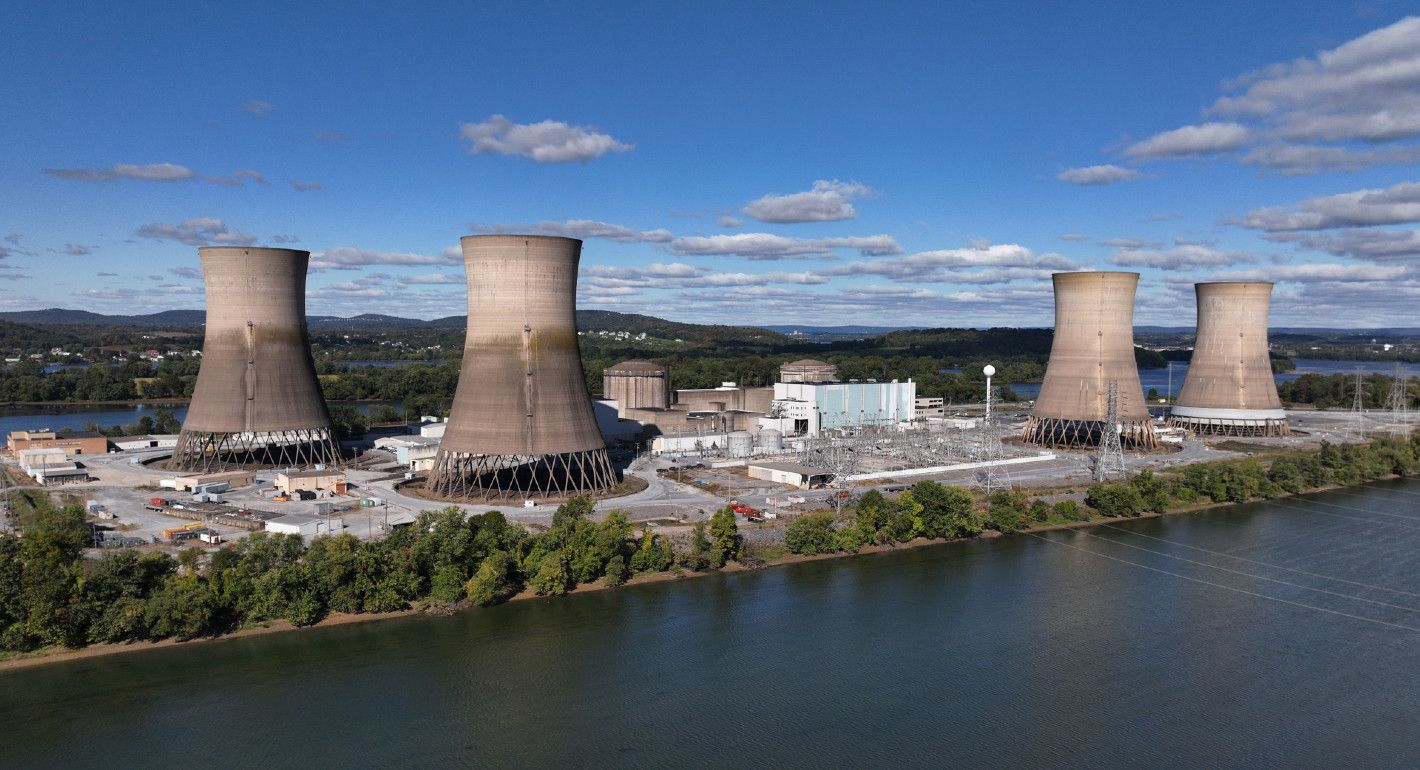
In recent nuclear energy news, the United States is witnessing a quiet but powerful shift in how communities think about electricity generation. While large nuclear plants have long been the backbone of carbon-free power, a new generation of compact technologies—microreactors and small modular reactors (SMRs)—is rapidly gaining attention. From rural towns and military bases to data centers and industrial hubs, nuclear microreactors are emerging as a flexible, reliable, and clean solution tailored to modern American energy needs.
This surge of interest is not accidental. Driven by innovation, policy support, and rising energy demands, nuclear startup news increasingly highlights how microreactor news is reshaping the national energy conversation.
Understanding Microreactors and SMRs
Microreactors are very small nuclear reactors, typically producing between 1 and 20 megawatts of electricity. Unlike traditional reactors, they are factory-built, transportable, and designed for long-term operation without refueling. SMRs, slightly larger in scale, usually generate up to 300 megawatts and share similar modular construction advantages.
Both nuclear microreactors and SMRs emphasize safety, efficiency, and adaptability. Their designs often include passive safety systems that rely on physics rather than human intervention, making them especially attractive to communities concerned about risk.
Why Microreactor News Is Gaining Momentum in the U.S.
Across the United States, several factors are accelerating interest in microreactor deployment:
- Energy Reliability for Diverse Communities
Many American regions—especially remote or weather-vulnerable areas—struggle with grid reliability. Microreactors offer continuous, baseload power independent of weather conditions. For Alaska, Native American reservations, and isolated rural towns, this reliability is a game changer. - Rising Electricity Demand
The growth of electric vehicles, artificial intelligence, and data centers is driving unprecedented power demand. According to recent nuclear energy news coverage, tech companies are increasingly open to nuclear solutions. Microreactors can power data centers locally, reducing strain on regional grids. - Carbon-Free Energy Goals
As states pursue aggressive climate targets, nuclear energy stands out as a proven, emissions-free option. Unlike wind and solar, nuclear microreactors operate around the clock. This makes them a critical tool for meeting U.S. decarbonization goals without sacrificing reliability.
The Role of Nuclear Startups in America’s Energy Transition
A wave of nuclear startup news reveals how innovation is fueling momentum. U.S.-based nuclear startups are developing advanced fuels, new cooling systems, and transportable reactor designs specifically suited to American infrastructure.
These startups are working closely with national laboratories, universities, and the Department of Energy. Federal initiatives now provide funding, streamlined licensing pathways, and public-private partnerships, helping young companies move from concept to deployment faster than ever before.
This startup-driven ecosystem is also creating high-paying jobs in engineering, manufacturing, and construction—an important benefit for American communities seeking long-term economic growth.
Community-Level Benefits of Nuclear Microreactors
One reason microreactors are gaining local acceptance is their tangible community advantages:
- Economic Development: Microreactor projects bring skilled jobs and long-term investment to host communities.
- Energy Independence: Towns and campuses can generate their own power, reducing dependence on distant utilities.
- Resilience: During natural disasters or grid failures, microreactors can continue operating, supporting hospitals, emergency services, and critical infrastructure.
In U.S. nuclear energy news discussions, community resilience has become a central theme—especially as extreme weather events increase nationwide.
Safety and Public Perception in the United States
Historically, public concern has slowed nuclear expansion. However, microreactor news often emphasizes how modern designs address these fears. Advanced reactors are smaller, use less fuel, and produce lower volumes of waste. Many designs are sealed units that operate for decades without onsite refueling.
Educational outreach and transparency are also improving public trust. As American communities learn more about modern nuclear technology, acceptance is steadily increasing—particularly when microreactors are compared to fossil fuel alternatives.
Policy Support and Federal Momentum
Federal support is another key driver behind this trend. Recent nuclear energy news highlights bipartisan recognition of nuclear power’s role in energy security. U.S. policymakers see microreactors and SMRs as strategic assets that can reduce dependence on foreign energy sources.
Programs led by the Department of Energy and the Nuclear Regulatory Commission are working to modernize licensing processes without compromising safety. This regulatory evolution is crucial for enabling faster deployment while maintaining public confidence.
SMRs vs. Microreactors: Complementary Solutions
While often grouped together, SMRs and microreactors serve different purposes within the U.S. energy landscape. SMRs are ideal for replacing retiring coal plants or supplying power to growing metropolitan areas. Microreactors, on the other hand, excel in smaller-scale applications such as campuses, military installations, and remote communities.
Together, they form a flexible toolkit. Nuclear startup news increasingly shows companies developing both technologies to meet diverse American energy demands.
Challenges That Remain
Despite the optimism, challenges persist. High upfront costs, supply chain limitations, and regulatory complexity can slow progress. Workforce development is another hurdle, as the U.S. must train a new generation of nuclear engineers and technicians.
However, many experts believe these challenges are temporary. As more projects move forward, economies of scale and experience will reduce costs and timelines—just as they have in other energy sectors.
The Future of Nuclear Energy in American Communities
Looking ahead, microreactors are poised to become a familiar part of the U.S. energy mix. As nuclear microreactors prove their value in pilot projects, broader adoption is expected across states with diverse energy needs.
In the evolving landscape of nuclear energy news, one message is clear: microreactors are not replacing renewables but complementing them. By providing reliable, clean baseload power, they enable a more stable and sustainable energy system for the United States.
Conclusion
The rise of microreactors represents a turning point in American energy policy and innovation. Fueled by nuclear startup news, supported by federal initiatives, and embraced by communities seeking resilience and independence, these advanced reactors are redefining what nuclear power looks like in the 21st century.
As microreactor news continues to dominate headlines, it’s evident that small-scale nuclear solutions are playing a big role in shaping America’s clean energy future—one community at a time.