

Introduction
Mold is a silent intruder that can infiltrate homes and buildings without immediate detection. Often found in dark, damp, and humid areas, mold poses a serious threat to both property integrity and human health. While it may appear as harmless spots on walls or ceilings, the underlying impact of mold growth can be extensive and dangerous if left untreated.
This article provides a comprehensive guide on identifying mold, understanding its causes, the health risks it presents, and the importance of professional intervention. We’ll also explore prevention tips and why timely mold removal is crucial for maintaining a clean, safe living environment.
What Is Mold?
Mold is a type of fungus that thrives in moist environments. It reproduces through lightweight spores that travel through the air and settle on surfaces, waiting for the right conditions to grow. Indoors, mold is commonly found on walls, ceilings, carpets, wood, insulation, and other organic materials.
Mold can be black, green, white, or even orange, and often emits a musty odor. While it may initially go unnoticed, it can cause significant damage over time if not addressed properly.
Common Causes of Mold Growth
Mold doesn’t need much to grow—just moisture, organic material, and time. The most common causes of indoor mold include:
- Leaky pipes or plumbing fixtures
- Roof leaks
- Condensation on windows or walls
- Flooding or water damage
- Poor ventilation in bathrooms, kitchens, or basements
- Humidity levels consistently above 60%
Understanding the source of the moisture is the first step in stopping mold at its roots.
How to Identify Mold
Spotting mold isn’t always straightforward. It can grow behind walls, under flooring, or inside HVAC systems. However, there are several tell-tale signs to watch for:
- Visible spots or discoloration on walls, ceilings, or furniture
- Persistent musty odor, especially in enclosed spaces
- Peeling paint or wallpaper
- Warped or stained surfaces
- Frequent allergic reactions or respiratory issues
If you notice these symptoms, it’s important to act quickly and consider a professional inspection.
Health Risks Associated with Mold
Exposure to mold can cause a variety of health problems, particularly for individuals with allergies, asthma, or compromised immune systems. Common health effects include:
- Sneezing and runny nose
- Coughing and wheezing
- Red or itchy eyes
- Skin rashes
- Throat irritation
- Headaches and fatigue
In severe cases, especially when toxic black mold (Stachybotrys chartarum) is present, prolonged exposure can lead to neurological issues and chronic respiratory conditions.
Children, the elderly, and individuals with existing health issues are most vulnerable to mold-related illnesses.
The Dangers of DIY Mold Cleanup
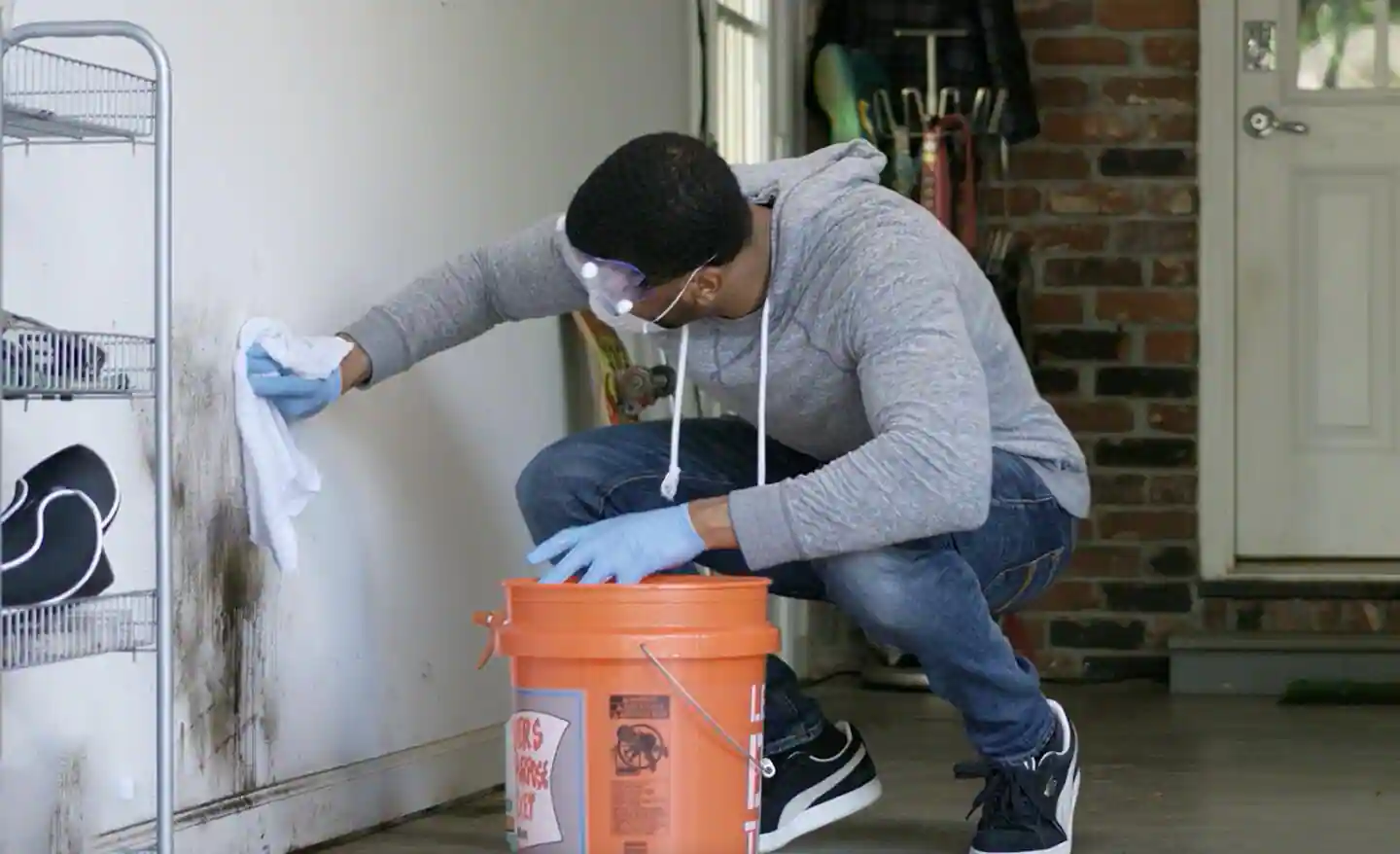
It might be tempting to handle mold cleanup on your own using household cleaners and bleach. However, this can often do more harm than good. Here’s why:
- Incomplete removal: Surface cleaning doesn’t address hidden mold within walls, insulation, or air ducts.
- Spread of spores: Disturbing mold can release spores into the air, contaminating other areas.
- Health risks: Without proper protection, you risk inhaling mold spores or exposing your skin and eyes.
- Ineffective solutions: Some cleaners may mask the problem without eliminating the root cause.
While minor mold patches on non-porous surfaces can sometimes be cleaned safely, widespread growth or hidden infestations require professional mold removal services for complete and safe eradication.
Professional Mold Remediation: What to Expect
Mold remediation is a specialized process designed to eliminate mold and prevent it from returning. Here’s what a typical professional service involves:
1. Inspection and Assessment
A certified technician will perform a thorough inspection to determine the extent of mold growth and identify moisture sources using tools like moisture meters and thermal imaging cameras.
2. Containment
To prevent the spread of spores, the affected area is sealed off using plastic sheeting, and negative air pressure is used to keep spores from escaping.
3. Air Filtration
HEPA filters are used to clean the air of mold spores and other contaminants throughout the remediation process.
4. Mold Removal
Mold is carefully removed from surfaces using specialized techniques. Porous materials like drywall or insulation that are heavily infested may be discarded and replaced.
5. Cleaning and Disinfection
All affected areas and adjacent spaces are cleaned with antimicrobial and antifungal solutions. Air ducts may also be cleaned to ensure spores aren’t circulating.
6. Repairs and Restoration
Any materials removed during the process, such as drywall or flooring, are replaced to restore the space to its original condition.
7. Final Testing
Post-remediation testing ensures that mold levels are safe and the problem has been fully addressed.
By relying on a professional mold removal company, you can ensure thorough cleanup, effective prevention, and long-term peace of mind.
Mold Prevention Tips
After mold has been removed, prevention becomes the next priority. These simple steps can help keep your home mold-free:
- Control humidity levels: Use dehumidifiers in damp areas and keep indoor humidity below 60%.
- Improve ventilation: Install exhaust fans in bathrooms and kitchens and ensure good airflow throughout the home.
- Fix leaks immediately: Address plumbing, roof, or appliance leaks as soon as they occur.
- Insulate properly: Prevent condensation on walls, windows, and pipes with adequate insulation.
- Clean and dry after flooding: Dry out all materials and areas within 24–48 hours of any water exposure.
- Monitor problem areas: Keep an eye on basements, crawl spaces, and attics for signs of moisture or mold.
Choosing the Right Mold Remediation Partner
When selecting a company to handle mold removal, it’s important to choose a qualified and reputable provider. Here’s what to look for:
- Licensing and certifications: Look for credentials from organizations like the IICRC or National Association of Mold Professionals.
- Experience and reputation: Choose companies with a proven track record and positive customer reviews.
- Insurance support: A good provider will assist with the insurance claims process and offer documentation.
- Comprehensive services: From inspection to reconstruction, opt for a team that handles all stages of the process.
- Transparent pricing and contracts: Avoid vague estimates or companies that offer “too-good-to-be-true” deals.
Working with a trusted professional ensures that your home is not only cleaned but also protected from future infestations.
Mold in Commercial Properties
While homeowners are often focused on residential mold issues, commercial properties are also at risk. Offices, warehouses, schools, and rental units can all suffer from water damage and mold growth. In these settings, the impact can be even more significant due to:
- Liability concerns
- Product damage
- Disruption of business operations
- Employee health risks
A comprehensive mold management plan, including regular inspections and swift remediation, is essential for businesses to operate safely and comply with health regulations.
Conclusion
Mold may be a common issue, but it’s one that demands immediate and professional attention. Whether it’s a result of a small leak or a major flood, the presence of mold can jeopardize your health, damage your property, and reduce the value of your home. Fortunately, with the right knowledge and support, you can address the problem effectively and prevent it from returning.Engaging a qualified mold removal service ensures the issue is handled thoroughly, safely, and with long-term results. Don’t take chances with your health or your home—be proactive, stay vigilant, and trust the experts when mold strikes.