

Buying a home is one of the most exciting financial moves you’ll ever make—but it also comes with a lot of paperwork, fees, and numbers that can be confusing at first glance.
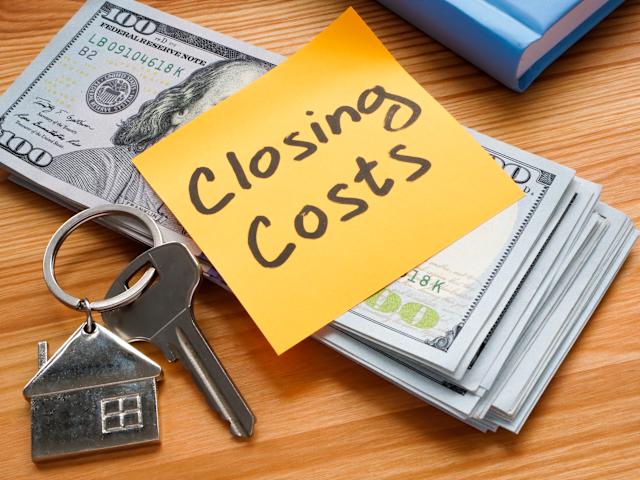
One of the biggest surprises for many first-time buyers is closing costs. These aren’t part of your down payment, yet they can still add up to thousands of dollars due at the very end of the buying process.
Understanding what closing costs are, how they work, and how you can prepare for them will make the journey to homeownership much smoother.
This guide breaks it down in simple terms so you’ll know exactly what to expect when it’s time to sign on the dotted line.
What Are Closing Costs?
Closing costs are the fees and expenses you pay to finalize a home purchase, separate from your down payment. Think of them as the administrative and legal costs tied to transferring ownership of a property from seller to buyer, says Julian Lloyd Jones, from Casual Fitters.
These costs typically range between 2% and 5% of the purchase price. For example, if you’re buying a $300,000 home, closing costs could be anywhere from $6,000 to $15,000. They include payments to the lender, the title company, attorneys, inspectors, and even your local government for recording the sale.
While the exact fees vary depending on your state, lender, and type of loan, one thing is constant: closing costs are unavoidable. But when you know what they cover, they won’t feel like a mystery fee being tacked onto your dream home.
Common Closing Costs Explained
Closing costs are made up of many smaller fees, and it’s easy to lose track of what each one is for. Let’s break down the most common ones so you know where your money is going.
Loan Origination Fees – Your lender charges this fee to process your mortgage application, evaluate your credit, and set up the loan.
Appraisal Fees – Before approving your mortgage, the lender requires an appraisal to confirm the home’s fair market value. This ensures the house is worth what you’re paying.
Home Inspection Fees – Not always mandatory, but smart buyers schedule an inspection to check for structural or safety issues. This upfront cost can save you from expensive surprises later.
Title Search and Title Insurance – A title company checks public records to make sure the seller legally owns the home and that there are no liens or disputes. Title insurance then protects you (and your lender) if something unexpected pops up.
Recording Fees – Local governments charge a fee to officially record the property transfer in public records.
Escrow Fees – Escrow companies act as neutral third parties, holding funds and documents until both buyer and seller meet their obligations.
Attorney Fees – In some states, real estate attorneys must be present at closing, and their services add to the cost.
For perspective, imagine you’re buying a $300,000 home. If your closing costs total 3%, that’s $9,000 in fees split across the items listed above.
Prepaid Costs vs. Closing Costs
Another area that confuses buyers is the difference between prepaid costs and closing costs. They sound similar but serve very different purposes.
Dan Close, Founder and CEO at We Buy Houses in Kentucky, says, “Closing costs are one-time fees that cover the services and legal requirements of transferring ownership. Prepaid costs, on the other hand, are advance payments for recurring expenses you’ll continue to pay as a homeowner.”
Prepaids often include property taxes, homeowners insurance, and interest that accrues between your closing date and the start of your first mortgage payment. These aren’t technically “fees,” but they’re collected upfront so that your escrow account is properly funded.
Budgeting for both is important—otherwise, you might underestimate how much cash you need to bring to the table.
Who Pays Closing Costs?
In most transactions, buyers pay the majority of closing costs. However, sellers also have their own costs, and in some cases, they may agree to cover part of the buyer’s expenses.
These are called seller concessions. For instance, if you’re purchasing in a buyer’s market—where sellers are eager to close—you may be able to negotiate for the seller to pay some or all of your closing costs. In competitive markets, though, this is much less common since sellers know they can find another buyer easily.
Knowing when and how to negotiate closing costs can save you thousands. A good real estate agent will guide you based on market conditions.
How to Estimate Your Closing Costs
Thankfully, you won’t be left guessing what your closing costs will be. Federal law requires lenders to provide a Loan Estimate within three business days of receiving your mortgage application.
This document breaks down estimated fees, interest rates, and monthly payments. As you approach closing, you’ll also receive a Closing Disclosure, which gives you the final numbers.
A simple rule of thumb is to budget between 2% and 5% of your purchase price for closing costs. On a $250,000 home, that means setting aside $5,000 to $12,500.
Are there Any Closing Costs for Sellers?
It’s not only buyers who face costs at the closing table. Sellers also have their own set of fees, which often add up to a significant chunk. The biggest one is typically the real estate agent commission, which can be 5–6% of the home’s selling price.
LJ Tabango, Founder & CEO of Leak Experts USA explains, “Sellers may also be responsible for transfer taxes, prorated property taxes, and in some cases, attorney fees. While buyers cover most of the traditional “closing costs,” it’s worth knowing the seller’s obligations since it can play a role in negotiations.”
Conclusion
Closing costs might not be the most exciting part of buying a home, but they’re unavoidable. The good news is that with preparation, they don’t have to be overwhelming. By learning what they include, estimating them early, and exploring ways to reduce them, you’ll walk into closing day with peace of mind—and the keys to your new home.