

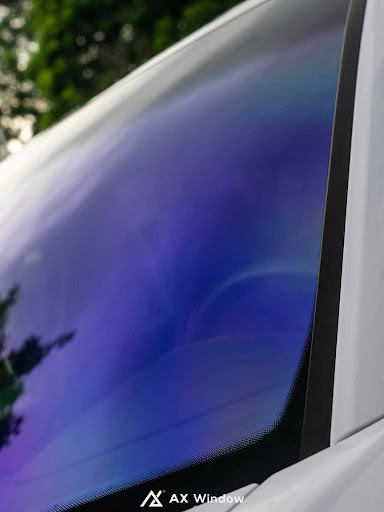
Window tinting is a popular feature for many because of the sleek appearance it offers to cars. The tint offers comfort to passengers and protects your car’s interior from UV damage. It also reduces glare and keeps the cabin cooler.
While aesthetically appealing, going too dark can result in a hefty fine. You need to avoid it, as overly dark tint can cause safety issues. Every state in the US has its own specific laws on legal window tint percentage. The rules are confusing, but knowing the legal limit for your state helps you stay safe and compliant. It helps you avoid fines and reduces unnecessary risks.
This guide will not only help you understand what tint percentages really mean, but also explain why the legal limit varies by state. Plus, with AX series, such as AX Legal Window Film and AX Compliant Tint Solutions, you get precise options that comply with your local laws and keep you worry-free.
Let’s start with the basics.
What Does Legal Window Tint Percentage Mean?
Window tint percentage refers to the amount of light allowed to pass through the window. It’s commonly known as Visible Light Transmission (VLT).
- High VLT means a lighter tint, which allows 70% of light to pass through.
- Low VLT means a darker tint, allowing only 25% of light to pass through the window.
This means that a higher VLT lets more light enter, while a lower or darker shade blocks more light and creates a dimmer appearance. There are other terms you might encounter when discussing window tinting, including:
- The AS-1 line is a marking on your windshield set by the manufacturer. Many states only allow tint above this line, while some permit tinting up to the top few inches of glass.
- Because some tints can be reflective, states also limit reflectivity. They have a limit on how shiny or mirrored your tint can be because it can blind other drivers.
- Some states offer medical exemptions for those who have a condition like lupus or skin cancer that makes people light-sensitive. You get the special permit for a darker tint if you have a doctor’s certificate.
Some manufacturers provide tint solutions, such as AX Compliant Tint Solutions, which are tailored to your state’s limits and adapt to regulatory changes, like Louisiana’s 2025 update.
Why Tint Laws Vary by State
So why can you use a darker tint in Texas than in New York? Each state sets its own legal tint percentage for several reasons.
Safety Concerns
Police need to observe the interior of vehicles during traffic stops for safety reasons. A darker tint makes it difficult for drivers to maintain good visibility, especially at night.
Climate
States with hotter climates typically have more lenient laws permitting darker tints to reduce sunlight and heat. For example, Arizona and Florida often allow darker tints to keep interiors cool. States with cooler climates usually restrict darker tints to maintain visibility.
Privacy Trends
The growing demand for greater privacy has also influenced the development of relevant regulations.
Health Needs
States handle health-based exemptions differently. If you have a medical condition, check your state’s legal window tint percentage regarding medical exemptions.
Legal Window Tint Percentage By States
| State | Front Side Windows | Back Side Windows | Rear Window |
| Connecticut | 35% VLT | 35% VLT | Any |
| New Jersey | No tint | Any | Any |
| New York | 70% VLT | 70% VLT | 70% VLT |
| Florida | 28% VLT | 15% (cars), Any (SUVs/Vans) | 15% (cars), Any (SUVs/Vans) |
| Georgia | 32% VLT | 32% VLT | 32% VLT |
| Virginia | 50% VLT | 35% VLT | 35% VLT |
| Tennessee | 35% VLT | 35% VLT | 35% VLT |
| West Virginia | 35% VLT | 35% VLT | 35% VLT |
| Washington D.C. | 70% VLT | 50% (cars), 35% (multi-purpose) | 50% (cars), 35% (multi-purpose) |
| Kansas | 35% VLT | 35% VLT | 35% VLT |
| Illinois | 35% (cars), 50% (SUVs/Vans) | 35% (cars), Any (SUVs/Vans) | 35% (cars), Any (SUVs/Vans) |
| Michigan | Any, but only on the top 4 inches of the window | 35% VLT | 35% VLT |
| Arizona | 33% VLT | Any | Any |
| California | 70% VLT | Any | Any |
| Texas | 25% VLT | 25% VLT | Any (with outside mirrors) |
| Colorado | 27% VLT | 27% VLT | 27% VLT |
AX Window Tints for Compliant Coverage
Tint laws vary by state, and navigating them can be tricky. AX solves this problem by offering a full range of VLT options tailored to state laws.
The AX Legal Window Film series uses materials that comply with local VLT regulations. Available in shades from light 70% to darker legal options, AX films let you choose the level that fits your state’s laws.
AX films feature multi-layer construction with advanced UV-blocking technology, protecting both your vehicle and its passengers. They maintain exceptional clarity even in darker shades and feature a self-healing surface that resists scratches, ensuring long-term durability.
The company stays up to date with state regulations, helping customers avoid legal issues. By choosing AX and a certified installer, you eliminate guesswork and get a tint that’s stylish, safe, and fully legal.
Visibility and Heat Control Benefits
Legal tint doesn’t mean sacrificing comfort or style. The right tint, such as AX films, delivers the following benefits:
- Reduced road glare, easing eye strain while driving.
- Protection from harsh sunlight that irritates your eyes and skin.
- Improved visibility during night driving with a clear, unobstructed view.
- Reduced cabin heat in hot weather, lowering AC use and improving fuel efficiency.
- Enhanced privacy without sacrificing night-time visibility.
- Optical clarity of AX films ensures sharp visibility, even at lower VLT levels, preserving night vision and forward view.
Safety and Law Enforcement Considerations
Why do states limit tint darkness?
- Tint laws protect both drivers and officers. Police need to see inside the vehicle during traffic stops, and overly dark tint can obstruct their view, creating safety risks for everyone.
- Excessively dark tint makes night driving dangerous for drivers and passengers.
- Dark tint can make accidents worse by hiding hazards.
- The consequences of illegal dark tint may include:
- Tickets and fines
- Failed vehicle inspections
- Insurance complications
- Increased accident risk
AX window tint films balance these needs by taking state laws and legal tint percentages into account. They protect against UV rays while also improving visibility for night driving.
Conclusion
To avoid fines and stay safe on the road, drivers must understand the legal window tint percentage in their state. AX offers a wide VLT range through AX Legal Window Film, tailored to your region and backed by AX Compliant Tint Solutions that stay updated with law changes.
Understand the reason behind these legal limits and choose your window tint wisely. Legal tint protects your car and passengers while improving driving comfort with glare control and heat relief.