

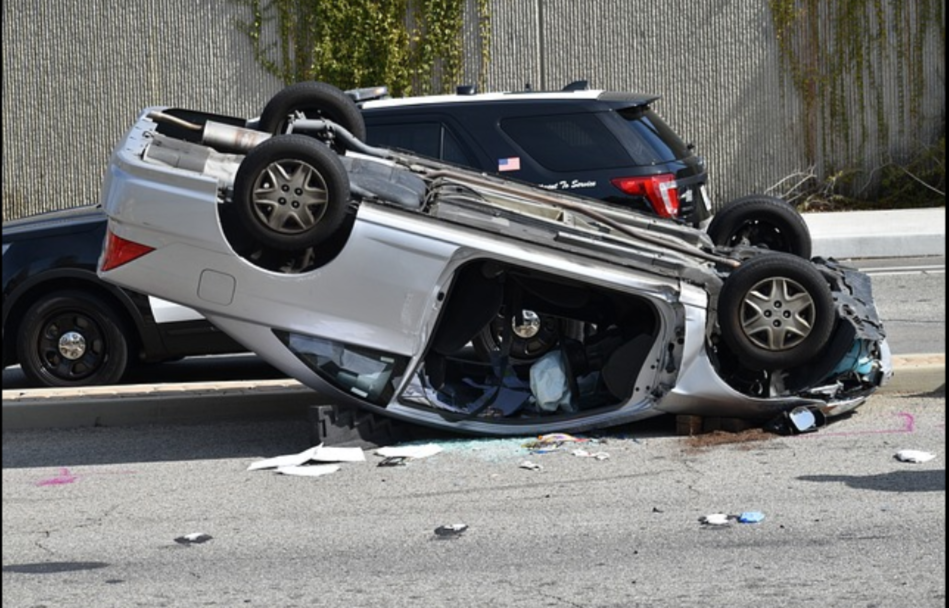
Navigating the aftermath of a car accident in New York can be overwhelming—especially when injuries are involved. Between no-fault insurance rules, liability laws, and potential lawsuits, it’s crucial for accident victims to understand their rights and legal options under the state’s unique auto injury laws.
New York’s No-Fault Insurance System
What Is No-Fault Insurance?
New York is one of several states that follows a no-fault insurance system for auto accidents. This means that, regardless of who caused the accident, your own insurance company pays for your basic economic losses, up to a certain limit. These losses can include:
- Medical expenses
- Lost earnings (up to $2,000 per month for up to 3 years)
- Certain household expenses
- Transportation to medical appointments
The Purpose of No-Fault Insurance
The goal is to provide quick compensation and reduce the number of personal injury lawsuits clogging the court system. However, no-fault laws come with limits. They do not compensate for pain and suffering or other non-economic damages unless certain conditions are met.
Serious Injury Threshold
To step outside the no-fault system and file a personal injury lawsuit against the at-fault driver, the injured party must meet New York’s “serious injury” threshold. According to Section 5102(d) of the New York Insurance Law, a serious injury includes:
- Significant disfigurement
- Bone fracture
- Permanent limitation of a body organ or limb
- Significant limitation of use of a body function
- Substantial disability for 90 out of the first 180 days following the accident
Meeting this threshold is often the first step in holding a negligent party accountable for pain and suffering or other non-economic damages.
Liability and Comparative Negligence
Who Is at Fault?
Even though New York uses a no-fault system for initial medical claims, establishing liability becomes critical when a case surpasses the serious injury threshold. Evidence such as police reports, witness statements, dashcam footage, and medical records can help determine fault.
Comparative Negligence in New York
New York follows a pure comparative negligence rule. This means that an injured person can still recover damages even if they were partly at fault for the accident. However, the compensation awarded will be reduced by their percentage of fault. For instance, if a court finds a victim 30% responsible for the crash, their awarded damages would be reduced by 30%.
Filing Deadlines and Statutes of Limitations
Under New York Civil Practice Law & Rules (CPLR) § 214, most personal injury lawsuits stemming from a car accident must be filed within three years of the date of the accident. However, if a government vehicle is involved, victims must file a Notice of Claim within 90 days.
Timeliness is crucial. Missing these deadlines could mean forfeiting your right to compensation, regardless of how strong your case may be.
Medical Documentation and Legal Representation
The Role of Medical Records
In auto injury claims, thorough and timely medical documentation is essential. Insurance companies often scrutinize gaps in treatment or inconsistent reports to deny or reduce claims. Seeing a doctor immediately after an accident—even if you feel fine—is one of the best ways to protect your legal rights.
Why Legal Help Matters
Because New York’s auto injury laws involve complex criteria, having the right attorney can make a significant difference. For guidance on choosing appropriate representation, consider this helpful resource on how to choose the right one for your case.
Compensation Available in Auto Injury Cases
Economic Damages
If your injury qualifies as “serious,” you can seek additional compensation beyond the no-fault limits. This may include:
- Ongoing medical treatment
- Lost wages or earning capacity
- Property damage
- Rehabilitation costs
Non-Economic Damages
Victims who meet the threshold can also pursue non-economic damages such as:
- Pain and suffering
- Emotional distress
- Loss of enjoyment of life
- Loss of consortium (for spouses)
Common Types of Auto Accidents in New York
New York’s busy streets are no stranger to a variety of vehicle crashes. Some of the most common include:
- Rear-end collisions
- Side-impact (T-bone) crashes
- Pedestrian accidents
- Hit-and-runs
- Motorcycle and bicycle accidents
- Multi-car pileups
Each type presents unique legal and medical considerations, making it important to tailor legal strategies accordingly.
The Public Health Impact of Traffic Injuries
According to the World Health Organization, road traffic injuries are a major public health concern worldwide. In New York, densely populated urban environments contribute to a higher incidence of pedestrian and cyclist injuries, emphasizing the need for rigorous legal protections and public awareness.
Legal Professionals and Resources
When dealing with the aftermath of a serious car accident, working with a knowledgeable attorney is essential. Legal professionals have experience in handling complex car accident cases and can help guide victims through New York’s nuanced legal system.
If you’ve sustained a serious injury and need assistance beyond what no-fault insurance covers, consider reaching out to a qualified car accident lawyer from Long Island who understands the intricacies of local laws and courts.
Conclusion
Understanding New York’s auto injury laws is essential for protecting your rights and securing proper compensation after a car accident. From no-fault insurance and serious injury thresholds to liability rules and available damages, the legal landscape can be intricate. Victims are encouraged to act swiftly, document everything meticulously, and seek qualified legal support to navigate this complex terrain effectively.

Early in his journalism college years, Kerry Tucker had a revelation: there were not nearly enough law communicators. People’s difficulties in understanding the law, procedures, and how the justice system worked stemmed from the fact that no one took the patience to explain complicated matters to them. Therefore, he took upon himself the task of helping people navigate legal matters easier. He works with attorneys and other legal journalists and spends time researching so that everyone – from a mother whose child got a bike injury to a company needing insurance counsel – to find the actionable answers they are looking for.