

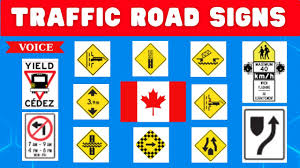
Why Road Signs Are Vital for Safe Driving
Road signs are the silent language of the road. They don’t speak, but they communicate everything you need to know to drive safely—where to go, how fast, when to stop, and what dangers to expect. Without them, roads would be chaotic. Whether you’re a new driver or new to Canada, understanding road signs is one of the most important skills you need to master.
In Canada, road signs are consistent across the country in design but can vary in language or usage depending on the province. Knowing how to quickly identify and understand these signs can make all the difference between safe driving and a costly mistake.
Types of Road Signs Every Driver Must Know
Canadian road signs fall into three main categories:
- Regulatory Signs: These include stop signs, speed limits, and turn restrictions. They tell you what you must do or must not do.
- Warning Signs: Typically yellow and diamond-shaped, these signs alert you to potential hazards like sharp turns, pedestrian crossings, or slippery roads.
- Informational/Guide Signs: These provide directions, distances, or points of interest. Green signs help with navigation, while blue signs often indicate services like hospitals or gas stations.
Other important signs include construction signs (usually orange) and bilingual signs found in regions like Quebec.
A deep understanding of these categories helps you react quickly and confidently. You shouldn’t have to stop and think when you see a sign—you should already know what to do.
How Canadian Road Signs Differ by Province
While most road signs are standardized nationally, certain elements do vary by province. For instance:
- Language: Quebec uses French signage, while the rest of Canada primarily uses English or bilingual signs.
- Metric System: Speed limits are posted in kilometers per hour (km/h), and distances are in kilometers.
- Unique Regional Warnings: Some provinces have signs for wildlife crossings like moose or elk, more common in areas like Newfoundland or northern Alberta.
Understanding your specific province’s signage is key to passing your driving test. That’s why it’s crucial to use a province-specific resource like Drivingtest.ca, which tailors practice questions to local rules and visuals.
Common Road Sign Mistakes New Drivers Make
Even though road signs seem straightforward, many new drivers still make critical mistakes. Some of the most frequent include:
- Confusing warning signs with regulatory signs
- Failing to yield when a yield sign is present
- Ignoring school zone speed limits
- Misinterpreting construction zone instructions
- Not recognizing temporary signs during detours or emergencies
These mistakes can lead to failed tests—or worse, real-world accidents. That’s why practicing sign recognition should be more than a quick review. You need to drill them until recognition is instant.
The Best Way to Practice Road Sign Recognition
Flashcards and driving handbooks are helpful, but nothing beats simulated practice. That’s where Drivingtest.ca comes in. The site features full sections dedicated to Canadian road signs, complete with images, explanations, and practice quizzes.
Here’s why it’s effective:
- Visual Learning: Each practice test includes high-quality sign images that simulate what you’ll see on the road.
- Interactive Quizzes: You can test yourself repeatedly until your recognition becomes second nature.
- Tailored for Each Province: From Quebec to British Columbia, the signs and questions reflect local standards.
- Free and Easy Access: No sign-up, no download—just click and learn on any device.
Taking 10–15 minutes daily to review signs on Drivingtest.ca can drastically boost your test performance and road confidence.
Conclusion
Road signs are more than just visual cues—they’re essential tools for keeping traffic organized and safe. Learning to recognize and react to them instantly is a core part of becoming a responsible driver in Canada.
By understanding the different types of signs, being aware of provincial differences, and using Drivingtest.ca to practice regularly, you’ll gain the confidence and knowledge you need to ace your driving exam and navigate Canada’s roads like a pro.