

Teeth whitening is one of the most popular cosmetic dental treatments, offering a brighter, more confident smile. However, a common side effect that many people experience is teeth sensitivity during whitening. Understanding why this happens and how to manage it effectively can help you enjoy the benefits of whitening without discomfort. In this article, we’ll explore the causes of sensitivity during whitening and share practical tips to minimize and manage it.
What Causes Teeth Sensitivity During Whitening?
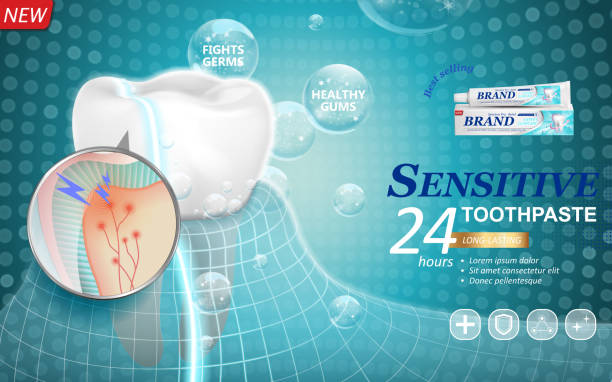
Teeth sensitivity during whitening primarily occurs because the bleaching agents—typically hydrogen peroxide or carbamide peroxide—penetrate the enamel to reach the dentin, where nerve endings are located. This can temporarily irritate the nerves, causing a sharp, sensitive sensation.
Factors Contributing to Sensitivity:
Enamel Thickness: Thinner enamel exposes nerves more easily to bleaching agents.
Pre-existing Sensitivity: Those with naturally sensitive teeth or gum recession are more prone.
Whitening Method: In-office treatments with higher peroxide concentrations can cause more sensitivity compared to at-home kits.
Treatment Duration and Frequency: Longer or repeated whitening sessions increase the risk.
Signs and Symptoms of Whitening Sensitivity
Recognizing sensitivity symptoms early can help you take appropriate action:
Sharp, sudden pain when consuming hot, cold, sweet, or acidic foods and drinks.
General discomfort or tingling in the teeth during or after whitening.
Sensitivity that lasts beyond a few days could indicate a need to adjust your whitening routine.
How to Manage and Reduce Teeth Sensitivity During Whitening
Managing sensitivity effectively allows you to complete your whitening treatment comfortably.
1. Use Desensitizing Toothpaste
Desensitizing toothpastes contain compounds like potassium nitrate or strontium chloride, which help block pain signals from the nerves. Use it at least two weeks before and during your whitening treatment for best results.
2. Choose the Right Whitening Product
Opt for whitening products designed for sensitive teeth. Many brands offer formulas with lower peroxide levels or added sensitivity protection.
3. Adjust Treatment Frequency and Duration
Avoid overusing whitening products. Follow the recommended guidelines, and if sensitivity occurs, reduce the frequency or take breaks between sessions to allow teeth to recover.
4. Avoid Trigger Foods and Drinks
Limit intake of extremely hot, cold, acidic, or sugary foods and beverages during the whitening period to reduce irritation.
5. Consider Professional Supervision
Consulting a dentist or professional whitening service ensures the treatment is tailored to your needs. They can recommend treatments with lower sensitivity risk and provide protective measures like fluoride varnishes.
When to See a Dentist
If sensitivity is severe, prolonged, or accompanied by other symptoms such as gum irritation or tooth pain unrelated to whitening, it’s important to consult a dentist. Persistent sensitivity might indicate underlying dental issues like cavities or gum disease.
Conclusion
Teeth sensitivity during whitening is a common but manageable side effect. By understanding the causes and implementing effective strategies—such as using desensitising toothpaste, choosing appropriate whitening products, and moderating treatment use—you can enjoy a brighter smile with minimal discomfort. Always consider professional guidance (like leeds teeth whitening professionals for example) to ensure safe and effective whitening tailored to your unique dental health.
Taking these steps will not only protect your teeth but also help maintain your confidence throughout your whitening journey.