

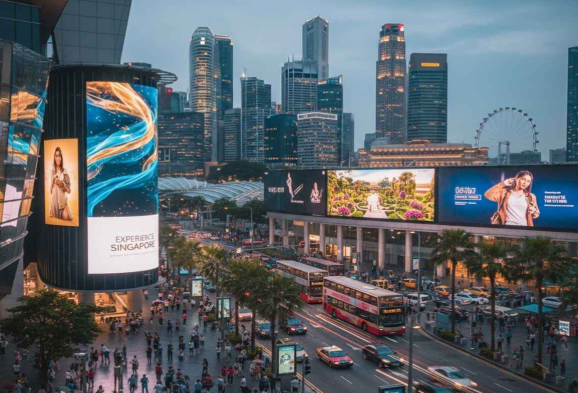
Digital advertising screens are now a dominant force in Singapore’s marketing landscape. From malls to public transport stations, these vibrant displays reach large audiences every day. They offer dynamic visuals and instant updates that traditional billboards cannot match. However, before investing, businesses must understand what drives the overall cost of a Digital Advertising Screen Singapore and how it impacts long-term value.
In Singapore, where competition for consumer attention is fierce, digital screens provide a strong edge. Still, their effectiveness depends on smart financial decisions and long-term planning. Factors like screen size, resolution, and placement all influence total expenses. Knowing how each element affects cost allows businesses to balance visibility and value effectively.
Major Cost Factors Explained
The following sections break down the major contributors to the price of a Digital Advertising Screen Singapore, helping businesses make informed and strategic choices.
1. Screen Size and Resolution
Screen size is one of the main factors influencing cost. Larger digital advertising screens require more materials, higher structural strength, and advanced display technology. This naturally increases production and installation expenses. High-resolution screens, such as 4K or Ultra HD, also add to the price due to their superior image quality and sharper pixel density.
While a high-resolution screen delivers exceptional visuals, it also demands more processing power and energy. Advertisers must decide whether the improved clarity justifies the extra cost. Many mid-sized companies in Singapore choose full HD screens for their affordability and efficiency. This balance between cost and quality is crucial for achieving effective brand visibility.
2. Installation Expenses
Installation costs can vary depending on the complexity of the project. Setting up a Digital Advertising Screen Singapore in a high area or outdoor space often requires cranes, scaffolding, and licensed technicians. These specialized services add substantial labor and safety expenses to the total investment. Proper installation ensures the screen is secure and performs optimally for long-term use.
Indoor installations are generally simpler but may still involve structural adjustments and electrical work. Businesses must also account for coordination with building management and safety inspections. In Singapore, compliance with regulations is mandatory and can affect the installation timeline. Investing in professional setup prevents technical problems and costly rework later.
3. Screen Size Impact
The physical dimensions of a screen not only affect cost but also influence its performance. Larger screens have a wider viewing range and attract more attention from distant viewers. However, they also consume more power and require stronger frameworks for stability. These additional materials and reinforcements significantly raise both installation and maintenance costs.
Smaller screens, while less expensive, may limit advertising reach depending on location. They are more suitable for indoor environments or targeted displays in confined spaces. When choosing a size, advertisers must consider the environment, viewing distance, and audience density. Matching screen dimensions to location helps ensure cost efficiency and maximum visual impact.
4. Location Influence
Location has a direct effect on how much a Digital Advertising Screen Singapore costs to operate and maintain. High-traffic areas such as Orchard Road or Changi Airport come with premium rental rates. Screens in these zones offer excellent exposure but involve higher setup and operational costs. In contrast, suburban or semi-commercial areas tend to be more affordable but attract fewer viewers.
Outdoor locations also face environmental challenges like heat, humidity, and rain. Screens must be weatherproofed, which increases material and maintenance expenses. Indoor spaces, on the other hand, require less brightness and are easier to maintain. Selecting the right location helps balance visibility with financial feasibility for sustained advertising success.
5. Technology and Features
Different screen technologies come with distinct pricing levels. LED and LCD screens are the most common, offering reliable performance and clear visuals. However, premium technologies such as OLED and micro-LED provide enhanced brightness and contrast at higher costs. The choice of technology should align with the desired visual quality and advertising goals, especially when exploring modern innovations like the Transparent LED Panel Singapore.
Additional features like touchscreen capability, motion sensors, or remote control systems can also raise costs. While these features improve interactivity and monitoring, they require specialized software and hardware. Businesses must assess whether these enhancements provide a sufficient return on investment. Simpler setups often deliver strong results at a lower long-term expense.
6. Content Creation Costs
A digital screen’s effectiveness depends heavily on the quality of its content. Producing engaging visuals, videos, and animations requires creative expertise and technical skill. Professional content development in Singapore can be expensive, especially for customized or multilingual campaigns. Poorly designed content can waste the potential of even the most advanced display.
Ongoing content updates are another cost consideration for advertisers. Campaigns must stay fresh and relevant to maintain audience interest. Frequent changes may involve hiring designers or subscribing to digital content services. Planning for these recurring costs helps sustain high engagement and consistent brand presence over time.
7. Maintenance and Repairs
Routine maintenance ensures that a Digital Advertising Screen Singapore operates efficiently and safely throughout its lifespan. Technicians typically clean components, check wiring, and update software to prevent system failures. Without regular servicing, brightness and color quality can decline over time. In Singapore’s humid climate, maintenance is especially important to protect electronic parts from corrosion.
Repairs can be costly if issues are neglected or handled improperly. Replacing LED panels, control modules, or power supplies may require specialized labor. Many companies prefer long-term service contracts to manage these risks affordably. Scheduled upkeep not only preserves performance but also extends the overall lifespan of the display system.
8. Power Consumption
Power usage is a continuous cost that can impact the long-term budget. Larger screens and high-brightness outdoor displays consume more electricity, leading to higher monthly bills. In Singapore, where energy prices are relatively high, efficiency becomes an important factor. Choosing energy-saving LEDs and automatic brightness controls can lower these expenses significantly.
Smart scheduling systems also help manage electricity use. Advertisers can set specific operating hours or dim screens during low-traffic periods. These practices not only reduce energy consumption but also extend equipment life. Balancing visibility with efficiency supports both financial savings and environmental responsibility.
9. Market Conditions
Market dynamics directly influence the pricing of a Digital Advertising Screen Singapore. During major festivals or large events, advertising demand increases, pushing prices higher. Global supply chain issues may also affect hardware availability and shipping costs. Keeping track of market conditions allows businesses to plan purchases more strategically.
Competitive pricing among suppliers helps maintain affordability but requires careful evaluation. Some low-cost offers may compromise on screen quality or after-sales support. Working with reputable vendors ensures reliable warranties and consistent performance. Understanding market trends provides a strategic advantage when investing in new display systems.
10. Advertising Duration
The duration of advertising plays a major role in determining overall costs. Many service providers in Singapore offer flexible packages based on hourly, daily, or monthly terms. Longer advertising periods usually come with lower rates per display cycle. However, short-term rentals can be more suitable for seasonal campaigns or limited promotions.
Shared display models are another cost-effective option for small businesses. In these systems, multiple advertisers rotate their content on the same screen. Although this reduces visibility time per ad, it significantly lowers total expenditure. Evaluating the duration and exposure goals helps choose the most budget-friendly approach.
11. Licensing and Permits
Operating digital advertising screens in Singapore requires obtaining official permits. Authorities such as the Urban Redevelopment Authority and Land Transport Authority regulate placement and content. These permits involve application fees, inspections, and sometimes annual renewals. Compliance ensures that advertising screens meet safety and community standards.
Failing to follow these regulations can lead to fines or forced removal of equipment. Businesses often hire consultants to handle permit applications and ensure smooth approval. While this adds to upfront costs, it prevents legal issues later. Proper licensing builds credibility and protects long-term advertising investments.
Partner with Neusign Technology
Neusign Technology is leading the digital display revolution across Singapore with innovation and reliability. As a trusted industry leader, it offers high-quality screens designed for lasting performance in both indoor and outdoor environments. Their advanced technology ensures superior brightness, durability, and visual impact. Businesses seeking modern solutions can rely on it for exceptional clarity and seamless integration.
What sets Neusign Technology apart is its commitment to affordability without compromising quality. The company provides competitive pricing, professional installation, and comprehensive maintenance support. Its expertise helps clients achieve maximum visibility while staying within budget. Partnering with this company means investing in excellence, innovation, and lasting advertising value.
Conclusion
The total investment for a Digital Advertising Screen Singapore depends on numerous interconnected factors. Screen size, resolution, technology, and placement all play vital roles in shaping costs. Additional expenses such as maintenance, installation, and energy consumption must also be carefully evaluated. A thorough cost analysis helps advertisers achieve optimal performance without overspending.
By understanding these cost factors, businesses can plan strategically and invest wisely. Selecting the right combination of features and locations ensures both visibility and sustainability. Effective budgeting supports consistent brand exposure and long-term market success. With proper planning, digital screens in Singapore can deliver exceptional returns on investment.