

Introduction
Water damage is a pervasive issue that can strike homes and businesses unexpectedly, causing extensive damage and posing significant health risks. From burst pipes to natural disasters, water damage can lead to structural issues, mold growth, and costly repairs if not addressed promptly and effectively. This article delves into the importance of water damage restoration, exploring its causes, effects, and the essential steps involved in restoring properties to their pre-damage condition. By understanding the intricacies of water damage restoration, property owners can better protect their investments and ensure a safe and healthy environment.
Causes of Water Damage
Natural Disasters
Natural disasters such as hurricanes, floods, and heavy storms are common culprits of water damage. These events can result in significant water intrusion, overwhelming drainage systems and leading to widespread flooding. The impact of natural disasters is often severe, affecting entire communities and causing substantial property damage.
Plumbing Issues
Plumbing problems, including leaks, burst pipes, and faulty appliances, are among the most common causes of water damage. A small leak can escalate into a major issue if left unaddressed, leading to water accumulation and potential structural damage. Burst pipes, often caused by freezing temperatures or corrosion, can release large volumes of water quickly, exacerbating the damage.
Appliance Malfunctions
Household appliances such as water heaters, washing machines, and dishwashers can malfunction, resulting in water leaks and flooding. Over time, hoses and connections may deteriorate, increasing the risk of leaks. Regular maintenance and timely repairs can help prevent appliance-related water damage.
Effects of Water Damage
Structural Damage
Water can weaken the structural integrity of a building, compromising its stability and safety. Prolonged exposure to water can cause wood to warp, metal to rust, and concrete to deteriorate. Structural damage may manifest as sagging ceilings, buckling floors, and cracked walls, necessitating costly repairs.
Mold Growth and Health Risks
One of the most serious consequences of water damage is mold growth. Mold thrives in damp, humid environments and can begin to develop within 24-48 hours of water exposure. Mold spores can spread quickly, causing respiratory issues, allergies, and other health problems. Effective water damage restoration includes thorough drying and mold remediation to ensure a safe living environment.
Electrical Hazards
Water and electricity are a dangerous combination. Water intrusion can lead to short circuits, damaged wiring, and electrical fires. Ensuring that the electrical system is inspected and repaired by a professional is crucial to prevent potential hazards and ensure the safety of occupants.
Steps in Water Damage Restoration
Initial Assessment and Damage Control
The first step in water damage restoration is conducting a thorough assessment to determine the extent of the damage. Restoration professionals use advanced tools such as moisture meters and thermal imaging cameras to identify affected areas and hidden moisture pockets. Immediate actions are taken to control the damage, including shutting off the water source and removing valuable items from the affected area.
Water Extraction and Drying
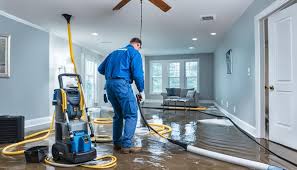
Removing standing water is a critical step in the restoration process. High-powered pumps and industrial-grade wet vacuums are used to extract water from the property. Once the water is removed, the drying process begins. Dehumidifiers and air movers are strategically placed to accelerate the drying process, reducing the risk of mold growth and further structural damage.
Cleaning and Disinfecting
Thorough cleaning and disinfecting are essential to remove contaminants and prevent mold growth. Restoration professionals use specialized cleaning agents to sanitize surfaces and ensure that the affected area is safe for occupancy. This step may also involve the removal and disposal of damaged materials that cannot be salvaged.
Restoration and Repairs
The final step in the water damage restoration process is repairing and restoring the property to its pre-damage condition. This may include replacing drywall, installing new flooring, and repairing structural elements. Restoration professionals work diligently to ensure that the repairs are completed to the highest standards, leaving the property in a safe and habitable state.
Prevention Tips
Regular Maintenance Checks
Regular maintenance checks can help identify potential issues before they escalate into major problems. Inspecting plumbing systems, appliances, and roofing for signs of wear and tear can prevent water damage. Scheduled maintenance by a professional can extend the lifespan of these systems and reduce the risk of leaks and malfunctions.
Installing Water Detection Devices
Water detection devices, also known as water alarms, can alert property owners to the presence of water in areas where it shouldn’t be. These devices are particularly useful in basements, near water heaters, and under sinks. Early detection allows for prompt action, minimizing the extent of the damage.
Proper Drainage Systems
Ensuring that the property has a proper drainage system is crucial for preventing water damage. This includes maintaining gutters and downspouts, grading the landscape to direct water away from the foundation, and installing French drains or sump pumps in areas prone to flooding. Regularly cleaning gutters and downspouts can prevent blockages that lead to water overflow and damage.
Importance of Professional Water Damage Restoration
Expertise and Experience
Professional water damage restoration companies have the expertise and experience needed to handle all aspects of the restoration process. They are equipped with specialized tools and techniques to effectively remove water, dry the property, and prevent further damage. Their experience allows them to identify hidden moisture and address it promptly, reducing the risk of mold growth and structural issues.
Comprehensive Solutions
A professional restoration company Metro Detroit provides comprehensive solutions that address all aspects of water damage. From initial assessment and water extraction to cleaning, disinfecting, and repairs, they ensure that every step is carried out efficiently and effectively. This holistic approach ensures that the property is fully restored and safe for occupancy.
Insurance Assistance
Dealing with insurance claims can be a complex and time-consuming process. Professional restoration companies often assist property owners in navigating the insurance process, providing detailed documentation of the damage and the restoration efforts. This support can expedite the claims process and ensure that property owners receive the compensation they are entitled to.
Conclusion
Water damage can have devastating effects on properties and pose significant health risks if not addressed promptly and effectively. Understanding the importance of water damage restoration and the steps involved in the process can help property owners protect their investments and ensure a safe and healthy environment. Regular maintenance, proper drainage systems, and early detection can prevent water damage, while professional restoration services can provide comprehensive solutions to restore properties to their pre-damage condition.
By taking proactive measures and seeking professional assistance when needed, property owners can mitigate the impact of water damage and safeguard their homes and businesses. Water damage restoration is not just about repairing the physical damage; it’s about preserving the safety, value, and integrity of the property.