

Resistance welding is a popular and powerful method used to join metal parts together. It’s fast, clean, and widely used in industries like automotive, construction, electronics, and more. But what exactly is resistance welding, and how does it work?
In this article, we’ll explain the basic science behind resistance welding and look at where and how it is used in real-world applications.
What Is Resistance Welding?
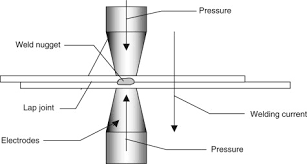
Resistance welding is a process that joins metal pieces by using heat generated from electrical resistance. When an electric current passes through the metal parts, the resistance at the contact point causes heat to build up. This heat melts the metal, and pressure is applied to form a strong weld.
No extra filler materials, gases, or open flames are needed—making it a clean and efficient process.
Key Principles of Resistance Welding
Here are the main elements that make resistance welding work:
- Electric Current: A high electric current is passed through the metals that need to be joined.
- Contact Resistance: The small area where the two metals touch resists the current, which creates heat.
- Pressure: Electrodes apply pressure to the metal pieces to hold them together during and after the weld.
- Time Control: The welding process lasts only a fraction of a second, making it ideal for high-speed manufacturing.
Modern Resistance welding machines allow users to control all of these factors—current, pressure, and time—to get perfect welds every time.
Different Types of Resistance Welding
There are several types of resistance welding, each designed for specific jobs. Let’s look at some of the most common:
1. Spot Welding
Spot Welding Machines are the most commonly used resistance welders. They weld two overlapping metal sheets at small points or “spots.” This method is often used in car manufacturing and sheet metal work. It’s fast and reliable, and it creates strong joints without extra materials.
2. Flash Butt Welding
Flash Butt Welding Machines are used to join large metal parts end-to-end, such as railway tracks or pipes. The machine creates heat by flashing the metal ends together and then applying pressure to forge them into one solid piece. This process ensures a strong, continuous weld with minimal waste.
3. Aluminum Spot Welding
Welding aluminum can be difficult because it conducts heat quickly. However, a specially designed Aluminum Spot Welder can handle this challenge. These machines use higher currents and precise timing to make sure the weld is strong without damaging the material.
Where Is Resistance Welding Used?
Resistance welding is used in many industries thanks to its speed and quality. Here are some common applications:
- Automotive Industry: Spot welding is used to assemble car bodies and parts.
- Construction: Structural components and metal panels are often welded with resistance methods.
- Electronics: Small metal parts inside devices are welded using fine control.
- Railways and Heavy Industry: Flash butt welding is used for joining large parts like rails and beams.
Because resistance welding can be automated, it’s ideal for high-volume production where quality and speed matter.
Final Thoughts
Understanding the science behind resistance welding helps you see why it’s such a trusted and widely used method. With its clean operation, strong joints, and fast cycle times, resistance welding is an essential part of modern manufacturing.
Whether you’re working with small metal parts or heavy-duty components, there’s a welding method—and a machine—for every job.