

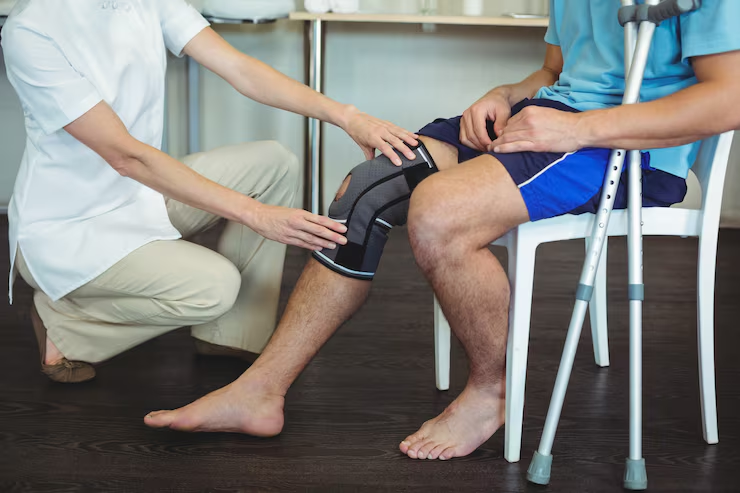
Ankle pain can severely impact daily activities, from walking and climbing stairs to exercising and even standing for prolonged periods. For patients suffering from advanced arthritis or severe joint damage, conservative treatments such as physiotherapy, orthotics, or medication may not provide sufficient relief. Consulting a total ankle replacement specialist in Nottingham can help you regain mobility, alleviate pain, and improve your quality of life.
Modern ankle surgery has evolved significantly, offering patients a range of options from foot fusion surgery to advanced total ankle replacement procedures. This article explores these treatments, their indications, recovery expectations, and long-term outcomes to help patients make informed decisions.
When is Total Ankle Replacement Needed?
A total ankle replacement in the UK is typically recommended for patients with end-stage ankle arthritis, post-traumatic arthritis, or degenerative conditions that cause chronic pain and limited mobility. Candidates often experience:
- Persistent pain despite conservative therapies
- Stiffness that interferes with daily activities
- Deformities or misalignment in the ankle joint
In some cases, patients may have already undergone previous interventions, such as big toe joint replacement or big toe arthritis joint replacement, and still require further treatment. Here, a revision ankle replacement in the UK may be considered to restore function and relieve pain.
Total Ankle Replacement vs. Ankle Fusion Surgery
While both ankle fusion surgery and total ankle replacement aim to relieve pain, they differ in approach and outcomes:
- Ankle fusion surgery: Involves joining the bones of the ankle to eliminate movement, reducing pain but limiting flexibility.
- Total ankle replacement: Involves replacing the damaged joint surfaces with a prosthetic implant, preserving movement and improving walking mechanics.
Patients with high functional demands, including active lifestyles or work-related mobility needs, often benefit from total ankle replacement, while fusion may be better suited for those with severe deformities or instability.
The Surgical Process: What to Expect
Foot fusion surgery and total ankle replacement procedures require careful preoperative assessment. Surgeons will evaluate your medical history, imaging studies, and gait patterns to determine the best approach.
During total ankle replacement in the UK, the damaged cartilage and bone are removed, and a prosthetic implant is inserted to replicate the natural movement of the ankle. The procedure is performed under anaesthesia, often using minimally invasive techniques to reduce tissue damage and promote faster recovery.
Postoperatively, patients typically follow a structured rehabilitation programme, including:
- Immobilisation: Initial period in a cast or boot to allow healing
- Physical therapy: Gentle exercises to restore mobility and strength
- Gradual weight-bearing: Stepwise increase in walking and activity
- Long-term care: Monitoring for implant integrity and ankle function
Benefits of Total Ankle Replacement
Choosing a total ankle replacement in the UK can offer several advantages over traditional fusion techniques:
- Preservation of joint movement, allowing a more natural gait
- Reduced stress on neighbouring joints, decreasing long-term complications
- Pain relief from severe arthritis or trauma
- Improved mobility and quality of life
For patients who have already experienced issues such as big toe joint replacement or big toe arthritis joint replacement, ankle replacement can complement prior interventions and maintain overall foot and ankle function.
Risks and Considerations
Like all surgical procedures, total ankle replacement in Nottingham carries potential risks, including infection, implant loosening, or nerve damage. It is essential to have a detailed discussion with your surgeon about the benefits and risks, as well as alternative options such as ankle fusion surgery in the UK or revision procedures.
Patients must also commit to rehabilitation and follow-up appointments to ensure optimal outcomes and long-term success. Surgeons specialising in foot fusion surgery in Nottingham and ankle replacements bring expertise that minimises complications and maximises mobility restoration.
Choosing the Right Surgeon
Selecting an experienced total ankle replacement surgeon is crucial. A specialist will provide:
- Comprehensive evaluation of your ankle condition
- Detailed explanation of surgical options, including revision ankle replacement
- Personalised treatment plans tailored to your lifestyle and mobility goals
- Guidance through rehabilitation and long-term joint care
Patients are encouraged to choose surgeons with extensive experience in both ankle surgery in Nottingham and advanced joint replacement techniques for optimal results.
Take the Step Towards Pain-Free Mobility
If chronic ankle pain limits your daily life, consulting a total ankle replacement expert is the first step towards regaining function and independence. Whether you are considering foot fusion surgery, total ankle replacement, or a revision ankle replacement in the UK, early intervention and specialist care can significantly improve outcomes.
Modern surgical techniques, combined with personalised rehabilitation, allow patients to enjoy better mobility, reduced pain, and a higher quality of life. Don’t let ankle arthritis or degenerative joint issues hold you back. Seek professional guidance today to explore your options.
Author Bio:
Dr Achal Goyal is a Consultant Orthopaedic Surgeon specialising in foot and ankle disorders, including complex ankle replacements and foot fusion surgeries. Practising in Nottingham, Dr Goyal combines advanced surgical techniques with patient-centred care to restore mobility and improve quality of life.