

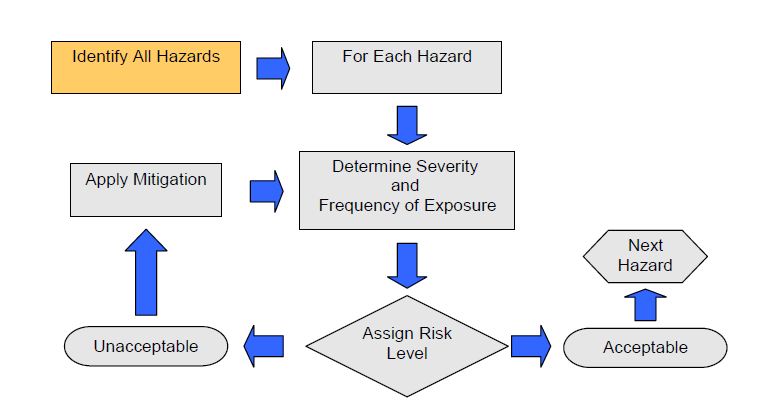
As the integration of medical devices into healthcare settings becomes more sophisticated and widespread, ensuring their safety has become an equally essential concern. While functionality and performance are paramount in design and development, the biological safety of these devices when in contact with human tissue or fluids cannot be overlooked. Toxicological risk assessments play a pivotal role in this safety assurance, helping manufacturers identify and mitigate potential chemical risks that stem from material and additive composition, especially when those devices are implanted or used for prolonged periods.
Medical devices often contain polymers, adhesives, coatings, pigments, and other chemical constituents that may leach or degrade over time. These chemical entities, even in trace amounts, must be evaluated for their toxicological profile. According to international guidelines on biocompatibility, particularly ISO 10993-17, a toxicological risk assessment involves quantifying the risk that extractable or leachable substances from a medical device will cause harm to patients. As global regulations become increasingly stringent, many manufacturers turn to specialized services offering expertise in toxicological risk assessments to ensure their devices meet compliance standards and protect patient well-being.
ISO 10993-17 sets out the principles, procedures, and necessary data for evaluating toxicological risks in the context of medical device safety. It provides guidance on determining tolerable intake or exposure levels for detected substances and outlines the steps for margin of safety (MoS) calculations. MoS is a critical metric that compares the expected exposure dose from a device to the known safe dose established through toxicology data. A sufficiently high margin of safety indicates low concern, while low margins may trigger the need for design modifications, additional testing, or extended evaluations.
One of the complexities in toxicological risk assessment lies in data interpretation—specifically, how to address unknown or poorly characterized compounds. These might not have established toxicological thresholds, prompting the use of alternative methods such as threshold of toxicological concern (TTC) approaches. Additionally, computational methods like in silico modeling and read-across strategies are increasingly employed to deliver rapid, cost-effective risk assessments when empirical data is lacking. These tools align with ISO 10993-17’s emphasis on scientific justification, helping experts fill risk gaps in the safety evaluation workflow.
Risk assessments are particularly important for devices intended for long-term implantation or those that come into contact with circulating blood. These scenarios enable a greater potential for chemical migration and systemic exposure, heightening the need for a rigorous evaluation of toxicological endpoints, including carcinogenicity, reproductive toxicity, and genotoxicity. Consequently, toxicological reviews are not merely compliance exercises but fundamental components of risk management that align with patient-centric design goals.
Furthermore, as regulatory bodies such as the FDA, EMA, and TGA align more closely with ISO standards, manufacturers must incorporate toxicological risk assessments early in development cycles. Doing so allows engineering and regulatory teams to address safety issues proactively rather than reactively at submission stages. This proactive approach accelerates time-to-market while instilling greater confidence among clinicians and patients.
The dynamic nature of chemical safety science means that ISO 10993-17 is undergoing ongoing refinements to accommodate new methodologies and industry practices. With the recent updates emphasizing better-defined exposure scenarios, harmonized tolerable intake values, and improved guidance on uncertainty factors, developers must stay current to maintain compliance. Collaboration with specialized toxicologists is, therefore, advisable to navigate evolving expectations while still ensuring device innovation.
In summary, toxicological risk assessment is not merely a single checklist item in device development—it is an iterative, science-based process central to ensuring medical device safety. Grounded in ISO 10993-17 guidelines, these assessments evaluate materials on a chemical level to anticipate potential risks to human health. By integrating toxicological evaluations early and thoroughly, manufacturers uphold the highest standards of biocompatibility while preserving product innovation and patient trust.