

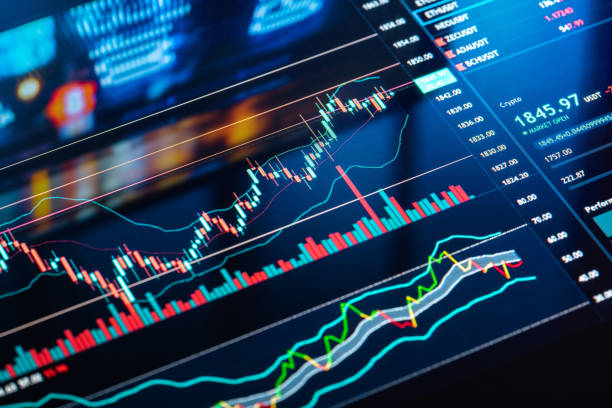
Trading in financial markets can be complex and overwhelming, especially for beginners. The ability to analyze price movements, identify patterns, and make informed decisions requires time and expertise. To assist traders in navigating these challenges, trading signals have emerged as valuable tools. Trading signals provide insights into when to buy or sell a particular asset, based on technical or fundamental analysis. These signals help traders optimize their strategies, manage risks, and increase profitability. This article explores the concept of trading signals, their types, how they work, and their benefits and limitations.
What Are Trading Signals?
A trading signal is a suggestion or recommendation to enter or exit a trade on a specific asset, such as stocks, forex, commodities, or cryptocurrencies. These signals are generated using various methods, including technical indicators, fundamental analysis, artificial intelligence, and human expertise. Traders rely on signals to enhance their decision-making process, improve efficiency, and reduce emotional biases in trading.
Trading signals can be provided by professional analysts, automated algorithms, or specialized trading platforms. They are usually delivered through various channels, such as emails, SMS, mobile apps, or direct notifications within trading platforms. The reliability of trading signals depends on their source, accuracy, and how well they align with a trader’s individual strategy.
Types of Trading Signals
Technical Analysis-Based Signals
Technical trading signals rely on historical price data, chart patterns, and mathematical indicators to predict future price movements. These signals are generated using tools such as moving averages, relative strength index (RSI), Bollinger Bands, MACD (Moving Average Convergence Divergence), and Fibonacci retracements.
For example, when a short-term moving average crosses above a long-term moving average, it generates a buy signal. Conversely, when the short-term moving average crosses below the long-term moving average, it generates a sell signal. Many traders use a combination of these indicators to increase accuracy and confirm trends before entering a trade.
Fundamental Analysis-Based Signals
Fundamental signals are derived from economic data, corporate earnings reports, news events, and geopolitical developments. These signals consider factors such as interest rate changes, GDP growth, inflation rates, and employment figures.
For instance, if a country’s central bank decides to raise interest rates, this may strengthen its currency, signaling a potential buying opportunity for forex traders. Similarly, a strong earnings report from a company may indicate that its stock price will rise, generating a buy signal for stock traders.
Sentiment-Based Signals
Market sentiment plays a crucial role in price movements, and sentiment-based signals analyze the emotions and behavior of traders. These signals are generated by tracking social media discussions, news sentiment, and trading volume. When a large number of traders are bullish on an asset, it can create upward momentum, whereas widespread bearish sentiment can lead to price declines.
Some platforms use artificial intelligence and machine learning to analyze sentiment from news articles, tweets, and financial reports to generate trading signals. This helps traders gauge the overall market mood and make better-informed decisions.
Automated Trading Signals
With advancements in technology, many traders now use algorithmic trading to execute trades based on pre-set rules. Automated trading signals are generated by trading bots and algorithms that scan the markets in real-time. These bots can analyze vast amounts of data within seconds and execute trades automatically when conditions meet specific criteria.
For example, a trading bot may be programmed to buy an asset when its RSI falls below 30, indicating that it is oversold. Likewise, it may sell an asset when the RSI exceeds 70, suggesting that it is overbought. These automated signals help traders execute trades with precision and eliminate emotional decision-making.
How Trading Signals Work
Trading signals work by analyzing market data and providing actionable insights to traders. The process typically involves the following steps:
- Data Collection –
The signal provider gathers relevant market data, including price movements, volume, news updates, and economic reports.
- Analysis and Signal Generation –
Using technical, fundamental, or sentiment analysis, the provider processes the data to generate potential trade opportunities.
- Signal Delivery –
Once a signal is generated, it is sent to traders through a designated communication channel such as an app, email, or SMS.
- Trader’s Decision –
The trader evaluates the signal based on their strategy and decides whether to enter or exit a trade.
Some traders follow signals blindly, while others use them as confirmation tools to support their own analysis. It is essential to verify signals and apply risk management techniques before making any trade.
Benefits of Using Trading Signals
Saves Time and Effort
Analyzing the markets manually requires significant time and expertise. Trading signals simplify the process by providing pre-analyzed trade recommendations, allowing traders to focus on execution rather than research.
Reduces Emotional Trading
One of the biggest challenges traders face is managing emotions such as fear and greed. Trading signals help eliminate emotional biases by providing objective trade suggestions based on data and analysis rather than intuition.
Enhances Decision-Making
Trading signals offer insights that traders may not have noticed on their own. They help improve decision-making by identifying potential trade opportunities that align with prevailing market trends.
Supports Beginners and Professionals
Both novice and experienced traders benefit from trading signals. Beginners can use them to learn market trends and make informed decisions, while professionals can integrate signals into their existing strategies to optimize performance.
Risks and Limitations of Trading Signals
Accuracy and Reliability Issues
Not all trading signals are accurate, and some may lead to losses. Market conditions change rapidly, and no signal can guarantee success. It is crucial to use signals from reputable providers and verify their performance before acting on them.
Over-Reliance on Signals
Some traders become overly dependent on trading signals and fail to develop their own analytical skills. Relying solely on signals without understanding the underlying market conditions can lead to poor decision-making.
Market Volatility and Unexpected Events
Trading signals are based on historical data and analysis, but unexpected events such as political crises, economic downturns, or natural disasters can disrupt market trends. Traders should always be prepared for unforeseen circumstances and use stop-loss orders to mitigate risks.
Subscription Costs
Many high-quality trading signals come with a subscription fee, which can be expensive for small traders. Before subscribing to a signal provider, traders should assess the value it brings and compare it with their trading goals.
Choosing the Right Trading Signal Provider
Reputation and Track Record
Before selecting a trading signal provider, traders should research its reputation, past performance, and user reviews. A provider with a proven track record of accuracy is more likely to offer valuable insights.
Transparency and Methodology
Reliable signal providers disclose their methodologies and strategies for generating signals. Traders should avoid providers that do not explain their approach or rely on vague predictions.
Customization and Flexibility
A good signal provider should allow traders to customize signals based on their preferred assets, risk tolerance, and trading style. Customizable signals help traders align their strategies with personal preferences.
Free Trials and Performance Testing
Some providers offer free trials or demo accounts, allowing traders to test signals before committing to a subscription. This helps in evaluating the effectiveness of signals without financial risk.
Conclusion
Trading signals are powerful tools that can enhance a trader’s decision-making process and improve profitability. By analyzing market trends, price movements, and sentiment, these signals provide valuable trade recommendations. However, it is important to recognize that no signal guarantees success, and traders should always apply proper risk management strategies. Choosing a reliable signal provider, verifying accuracy, and maintaining a balanced approach between signals and independent analysis are key to successful trading. Ultimately, trading signals should be used as aids rather than substitutes for a trader’s own research and judgment.