

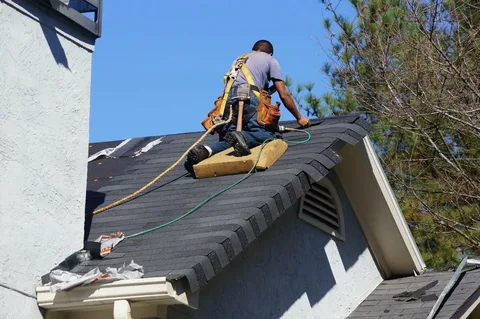
A roof is one of the most critical components of a home, protecting it from the elements and maintaining structural integrity. Over time, even the most well-constructed roofs will deteriorate due to weather, age, and other factors. Homeowners need to recognize the signs that indicate a roof replacement is necessary. Ignoring these signs can lead to more extensive and costly damage to the home.
The Lifespan of a Roof
When considering a roof replacement, it’s crucial to not only look for visible signs of damage but also to understand the underlying issues that may not be immediately apparent. Consulting with experienced professionals can provide valuable insights into the condition of your roof and the best course of action. For those seeking expert advice and detailed information on roof maintenance and replacement, you can learn this here now. This resource offers comprehensive guidance on assessing roof health, ensuring that you make informed decisions that protect your home and investment. By staying proactive and informed, you can address potential problems before they escalate, ensuring the longevity and safety of your roof.
The longevity of a roof depends on the materials used, the quality of installation, and the local climate. Asphalt shingles, one of the most common roofing materials, typically last between 20 to 30 years. Metal roofs can last anywhere from 40 to 70 years, while tile and slate roofs have even longer lifespans. However, regardless of the material, all roofs will eventually require replacement.
Key Signs That Indicate a Roof Replacement Is Needed
1. Age of the Roof
If a roof is nearing the end of its expected lifespan, homeowners should begin considering a replacement. Even if there are no visible issues, older roofs become more vulnerable to leaks, wind damage, and structural weaknesses. Regular inspections can help determine if the roof is still in good condition or if replacement is imminent.
2. Shingle Damage and Deterioration
Shingles are the first line of defense against rain, wind, and sunlight. Over time, they can become cracked, curled, or missing. If a significant number of shingles show these signs of wear, it may be time to replace the roof. Additionally, granule loss, which appears as bald spots on asphalt shingles, is a clear indicator of aging and deterioration.
3. Persistent Leaks and Water Damage
Water stains on ceilings or walls often indicate a roof issue. While minor leaks can sometimes be repaired, frequent or widespread leaks suggest deeper structural problems. Water infiltration can lead to mold growth, wood rot, and damage to insulation, making timely roof replacement essential.
4. Sagging Roof Deck
A sagging roof is a serious structural issue that should not be ignored. It often indicates underlying problems such as water damage, deteriorating support beams, or poor roof installation. If any part of the roof appears to be sagging, immediate action is required to prevent further damage to the home.
5. Increased Energy Bills
An aging or damaged roof can compromise a home’s insulation and ventilation. If heating and cooling costs have risen unexpectedly, it could be due to air escaping through gaps in the roofing structure. A roof replacement can improve energy efficiency, reducing utility costs in the long run.
6. Growth of Moss and Algae
While some moss and algae growth on a roof is normal, excessive buildup can indicate moisture retention, which can weaken roofing materials over time. In humid climates, persistent moss growth can lead to roof decay, necessitating replacement.
The Benefits of Timely Roof Replacement
Replacing a roof before severe damage occurs can save homeowners money and stress. A new roof enhances a home’s curb appeal, improves energy efficiency, and provides better protection against harsh weather conditions. Additionally, a roof replacement can increase property value, making it a worthwhile investment for homeowners planning to sell their homes in the future.
Choosing the Right Roofing Material
Selecting the appropriate roofing material is crucial for long-term performance. Some popular options include:
- Asphalt Shingles – Affordable, widely available, and available in various styles and colors.
- Metal Roofing – Durable, energy-efficient, and resistant to extreme weather conditions.
- Clay or Concrete Tiles – Long-lasting and aesthetically appealing, but heavier and requiring specialized installation.
- Slate Roofing – Offers a classic look and excellent durability but comes at a higher cost.
Consulting with a professional can help homeowners choose the best material based on their budget, climate, and aesthetic preferences.
Why Professional Installation Matters
Proper installation is just as important as choosing the right materials. Poor workmanship can lead to premature roof failure, leaks, and structural issues. Homeowners in Auburn looking for expert roofing services can consider Hometown Roofing Auburn for professional guidance and quality installation. Ensuring that the job is done correctly the first time can save time and expenses in the future.
When to Schedule a Roof Inspection
Routine roof inspections can help identify potential issues before they become major problems. It is recommended to have a professional inspect the roof at least once a year or after severe storms. A roofing expert can assess the condition of shingles, flashing, and underlying structures to determine whether repairs or a full replacement are necessary.
Final Thoughts
Recognizing the signs that indicate a need for roof replacement is essential for maintaining a safe and efficient home. Factors such as age, shingle condition, leaks, and energy efficiency all play a role in determining when a roof has reached the end of its lifespan. By taking proactive measures and consulting professionals like Hometown Roofing Auburn, homeowners can ensure their homes remain protected and structurally sound for years to come.