

You know the feeling. A birthday or anniversary approaches for someone who treasures their watch collection, and you want to give them something meaningful—not another generic gift that ends up forgotten in a closet. You browse online and see dozens of organizers at tempting prices, but something nags at you. Will that cheap acrylic tray actually protect their prized timepieces, or will it end up scratching a crystal within weeks?
This is the trap many gift-givers fall into: prioritizing a low price tag over genuine quality, only to watch the recipient’s polite smile fade as the organizer warps, scuffs, or simply looks out of place next to a carefully curated watch collection. The truth is, a purpose-built watch tray crafted from premium materials communicates something a generic organizer never can—that you understand what matters to the person receiving it.
In this guide, we’ll break down the real differences between dedicated watch trays and standard organizers, explore why material quality and craftsmanship are essential for gift-worthy products, and show you how to find fair value without compromising on the details that matter most. Whether you’re shopping for a seasoned collector or someone just starting their journey, this comparison will give you the confidence to choose well.
The Fundamental Difference: Purpose-Built Design vs. Generic Storage
A watch tray is exactly what it sounds like—a storage solution engineered from the ground up with one mission: protecting, displaying, and organizing timepieces. Every dimension, every material choice, and every compartment exists because someone who understands watches designed it that way. These aren’t repurposed jewelry boxes or kitchen drawer inserts with a marketing twist. They’re specialized tools for watch care.
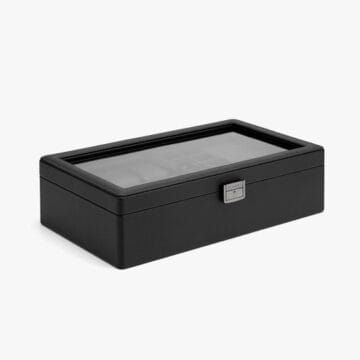
Standard organizers, on the other hand, encompass a broad category: drawer dividers from home goods stores, generic valet trays meant for keys and wallets, or multi-purpose compartment boxes that happen to fit a watch if you angle it right. They serve a general tidying function, and while some look attractive enough, they weren’t conceived with the specific vulnerabilities of watches in mind—delicate crystals, sensitive movements, easily scratched casings, or leather straps that need to breathe.
Key Design Features of a Quality Watch Tray
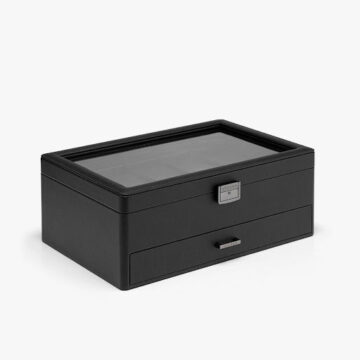
The distinction becomes obvious when you examine what a dedicated watch tray actually offers. Cushioned, non-abrasive pillows cradle each timepiece individually, preventing metal-on-metal contact or crystal-against-surface friction. These pillows are typically wrapped in microfiber suede or soft velvet that won’t leave marks on polished cases. Compartments are sized precisely so watches don’t slide or knock together during drawer movement. Many quality trays include dedicated slots for extra straps, tools, or accessories, keeping everything the collector needs in one organized space. The base is weighted or lined with non-slip material, so it stays put on a dresser or inside a safe. Perhaps most importantly for gift-giving, a well-designed watch tray looks the part—it presents beautifully on a nightstand or shelf, complementing the collection rather than diminishing it. That visual elegance transforms daily storage into a display-worthy ritual the recipient will appreciate every morning.
Why Material Quality is Non-Negotiable for Gifts
When you hand someone a gift, you’re making a statement about how well you know them and how much thought you invested. Material quality is the silent ambassador of that intention. A watch tray built from genuinely premium materials doesn’t just function better—it immediately signals to the recipient that this isn’t a last-minute afterthought. It’s a considered choice, and they’ll feel that distinction the moment they lift the lid or run their fingers across the surface.
Premium Materials in Watch Storage Solutions
The gap between quality materials and budget substitutes is something you can see, touch, and even smell. Solid hardwoods like walnut, oak, or cherry develop a richer patina over time, aging gracefully alongside the collection they protect. MDF or particle board, by contrast, chips at corners, swells with humidity, and never looks quite right up close. Interior linings tell a similar story. Premium vegan leather or genuine ultrasuede cradles watches with a soft, consistent texture that resists pilling and wear. Cheap polyester felt, common in mass-produced organizers, develops rough spots within months and can trap dust particles that act like fine sandpaper against polished cases. Hardware matters too—zinc alloy hinges and clasps with a brushed or polished finish operate smoothly for years, while plastic snaps crack under repeated use and cheapen the entire aesthetic. From a longevity standpoint, premium materials ensure the tray remains functional and attractive for a decade or more, making it a gift the recipient encounters and appreciates daily rather than something they quietly replace.
The Hidden Cost of Cheap Materials
Budget organizers carry risks that rarely appear in product descriptions. Rough interior surfaces—unfinished wood edges, poorly adhered fabric, or exposed adhesive—can leave micro-scratches on case backs and bracelets that only become visible over time. Structural weakness is another concern; thin walls and weak joints mean the organizer may sag, warp, or collapse entirely under the modest weight of a few steel watches. Some plastic and synthetic components off-gas volatile compounds, particularly in enclosed spaces like drawers or safes, potentially dulling finishes or degrading rubber gaskets on dive watches. Beyond physical damage, there’s the psychological dimension. A flimsy organizer with peeling lining or a crooked lid communicates carelessness, regardless of your actual intentions. The recipient may never say it aloud, but the contrast between their valued collection and a subpar storage solution creates a disconnect that undermines the gift’s purpose entirely.
Durability and Craftsmanship: Ensuring Your Gift Lasts
A gift worth giving is a gift worth keeping—for years, not months. This is where craftsmanship separates a watch tray that becomes a permanent fixture on someone’s dresser from an organizer that quietly migrates to a donation pile. The details that determine longevity aren’t always visible in product photos, but they’re immediately apparent in person and over time.
Start with joinery. A tray assembled with dovetail joints, reinforced corners, or precision-fitted panels will maintain its structural integrity through years of daily opening, closing, and occasional relocation. Stapled or hot-glued construction, common in mass-market organizers, loosens with repeated use and temperature fluctuations. Next, examine the finish—a hand-applied lacquer or oil finish protects wood from moisture and fingerprints while revealing the grain’s natural beauty, whereas spray-on coatings peel and yellow. Fabric adhesion is equally telling; in a well-made tray, interior lining is bonded uniformly with no bubbling, lifting, or exposed edges that could snag a bracelet clasp. Finally, consider weight. A substantial tray with solid materials feels reassuring in hand and stays anchored on a surface, while a lightweight organizer signals hollow construction and fragile walls. Each of these craftsmanship markers reflects something beyond function—they mirror the care you put into selecting the gift itself. When the recipient notices tight seams, smooth hinges, and flawless lining months after unwrapping it, they’re reminded of your thoughtfulness all over again.
Finding Fair Value Products Without Sacrificing Quality
Fair value doesn’t mean finding the cheapest option—it means identifying the point where quality, craftsmanship, and price intersect to deliver genuine satisfaction for both giver and recipient. A watch tray priced slightly above a generic organizer but built with superior materials and thoughtful design represents far better value over its lifespan than a bargain-bin alternative that needs replacing within a year. The challenge for gift shoppers is learning to distinguish genuine quality from marketing polish, especially when shopping online where you can’t physically handle the product before purchasing.
How to Evaluate Watch Trays for Gift-Giving
Start by reading material descriptions with a critical eye. Vague terms like “leather-like material” or “wood-style finish” are red flags—reputable brands like VLANDO specify exactly what they use, whether that’s genuine walnut, top-grain leather, or Alcantara lining. If the listing avoids naming specific materials, assume the cheapest substitutes are in play. Next, skip the studio-lit product photos and head straight to customer-submitted images. These unfiltered shots reveal true color accuracy, how the tray looks in real home lighting, and whether the finish matches the advertised quality. Pay attention to close-ups showing corners, seams, and interior surfaces—this is where shortcuts become visible. When reading reviews, filter for comments that mention how the product held up after several months of use. Initial impressions are helpful, but durability feedback from long-term owners tells you whether the tray maintains its structure and appearance over time. Look specifically for mentions of lining wear, hinge performance, and whether the tray still sits level after repeated use. Finally, check how the brand is discussed in watch enthusiast communities and forums. Collectors are notoriously particular about storage, and their recommendations carry weight because they’ve tested products against expensive timepieces with everything to lose. A brand consistently praised in these circles has earned trust through performance, not advertising spend alone.
Gift-Giving Confidence: Understanding Policies and Presentation
Even after identifying the perfect watch tray, practical concerns can stall a purchase. What if the recipient already owns something similar? What if it arrives damaged? Smart gift shoppers eliminate these anxieties before clicking “buy” by understanding the policies that protect their investment and paying attention to how the product arrives—because presentation is part of the gift itself.
Decoding the Shipping and Return Policy for Gift Purchases
Before committing to any watch tray as a gift, dig into the brand’s return and shipping policies with the same scrutiny you’d apply to the product itself. First, look for a generous return window—ideally 30 days or more—that accounts for the gap between when you buy and when the recipient actually opens it. Brands confident in their quality typically offer hassle-free returns without restocking fees. Second, check whether the company provides gift-specific options such as gift receipts (without pricing), direct shipping to the recipient’s address, or personalized notes included in the package. These small touches save you logistical headaches and add a professional feel. Third, clarify who bears the cost of return shipping. Reputable brands often cover this for defective or incorrect items, but policies vary for preference-based returns—knowing this upfront prevents awkward surprises. Finally, verify how the company handles damaged goods. A clear process for replacements or refunds on items harmed during transit gives you peace of mind, especially for heavier trays made from solid wood that require careful packaging.
The Final Touch: Unboxing Experience and Perceived Value
The moment your recipient opens their gift sets the emotional tone for everything that follows. A quality watch tray arriving in a sturdy, branded box with tissue wrapping, a magnetic closure, or a protective dust bag creates an immediate impression of luxury and intentionality. That layered unboxing experience—peeling back each element to reveal something beautiful underneath—mirrors the ritual of selecting and wearing a fine watch. Compare this to a generic organizer shipped in a thin cardboard mailer with bubble wrap and a barcode sticker. The product inside might be acceptable, but the presentation tells a story of mass production rather than curated craftsmanship. Psychologically, recipients assign higher value to gifts that arrive beautifully presented, and they’re more likely to keep and cherish items that felt special from the very first moment of contact. When evaluating brands, look for product listings or reviews that mention packaging quality—it’s a reliable indicator that the company understands their product is frequently purchased as a gift and has invested accordingly.
Choosing a Watch Tray That Reflects Your Thoughtfulness
The difference between a watch tray and a standard organizer isn’t just about storage—it’s about intention. A purpose-built watch tray protects delicate timepieces with cushioned, non-abrasive compartments, maintains its structural integrity through years of daily use, and presents itself as an object worthy of sitting alongside a cherished collection. A generic organizer, however affordable, simply cannot deliver that combination of protection, longevity, and aesthetic respect.
For gift-givers, the calculus is straightforward. The modest premium you pay for genuine materials, precise craftsmanship, and thoughtful design pays dividends every single day the recipient reaches for their watch. It’s not an expense—it’s an investment in how your thoughtfulness is perceived and remembered, long after the wrapping paper is gone.
When you’re ready to choose, prioritize brands that name their materials explicitly, demonstrate consistent craftsmanship in customer photos, and back their products with clear return policies. A gift that combines protective function with beautiful presentation doesn’t just organize watches—it tells the recipient you valued them enough to get it right. That’s the kind of gift that stays on the dresser, not in the closet.