

Of all the survival priorities, water is both the most urgent and the most often misunderstood. People know they need it, but many do not have a clear plan for obtaining and purifying it when municipal systems fail, wells are compromised, or they find themselves in the field with only natural sources available. Developing a layered water purification strategy is one of the most important things any prepared individual can do, and it requires understanding the full range of available methods, not just the one tool sitting in the emergency kit drawer.
This article covers the major water purification methods available to preppers, including how each works, what it removes, and where it falls short. The goal is to give you enough understanding to select the right method for the situation rather than blindly trusting a single approach.
Why Water Purification Matters
Untreated water from natural sources may contain a wide range of contaminants: biological pathogens including bacteria, viruses, and protozoa; chemical pollutants from agricultural runoff, industrial discharge, or treated infrastructure; and physical sediment that affects palatability and can clog filtration equipment. Each category requires different treatment approaches, which is why relying on a single method is a risk.
The CDC estimates that waterborne illness affects millions of people globally each year. In a grid-down or post-disaster scenario, contaminated water sources become an immediate public health risk. Understanding purification is not a niche concern for extreme scenarios — it is a foundational skill with broad practical application.
Boiling
Boiling is the oldest and most universally reliable water treatment method. Bringing water to a rolling boil for at least one minute (three minutes at elevations above 6,500 feet) kills bacteria, viruses, and protozoa with near-perfect effectiveness. It requires only a heat source and a vessel, both of which are usually available in most emergency situations.
The limitations of boiling are straightforward: it does not remove chemical contaminants, dissolved heavy metals, or physical sediment. It also requires fuel and time, which may be constrained. But as a baseline treatment when the primary concern is biological contamination, boiling remains the gold standard.
Pre-filtering turbid water through a cloth, bandana, or improvised sand filter before boiling improves effectiveness and extends the life of any additional filtration equipment you may use afterward.
Chemical Treatment
Water purification tablets and liquid chemical treatments — primarily iodine and sodium hypochlorite (unscented household bleach) — are lightweight, inexpensive, and effective against bacteria and most viruses. They are ideal as a backup in a bug out bag or as a supplement to mechanical filtration.
Bleach dosing follows a general guideline of eight drops per gallon of clear water, doubling for turbid water, followed by a 30-minute wait before drinking. Iodine tablets follow manufacturer instructions but generally require at least 30 minutes of contact time. Neither chemical treatment is consistently effective against Cryptosporidium, a protozoan that requires filtration or boiling for reliable elimination.
Chemical treatment is most effective when combined with mechanical filtration, and it is worth noting that the ability to move between water sources to apply treatment requires a level of physical endurance that comes from being survival fit. Fitness shapes your options in the field.
Mechanical Filtration
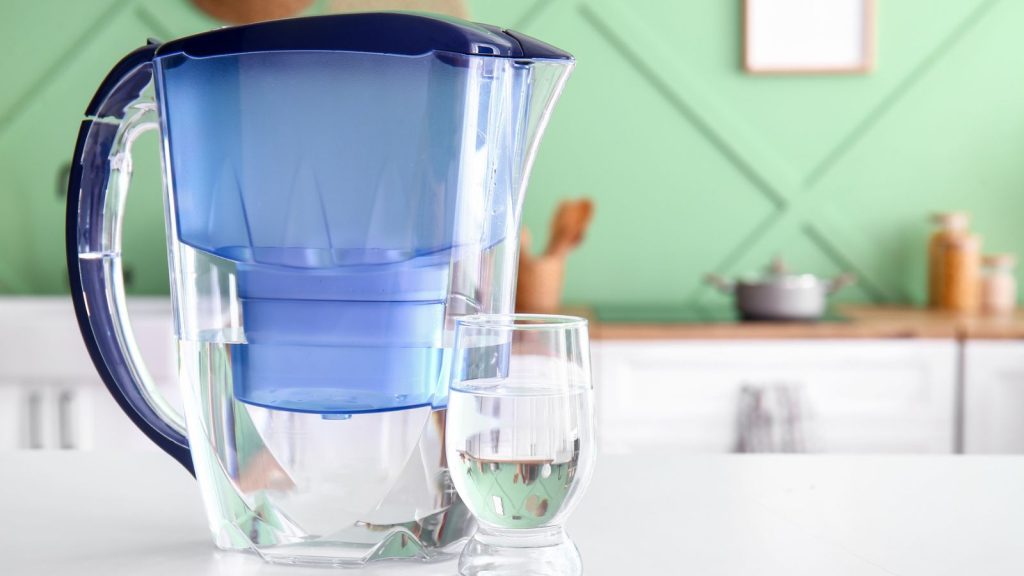
Portable water filters have become one of the most popular water treatment tools for both preppers and outdoor enthusiasts. They work by passing water through a porous medium — usually hollow fiber membrane or ceramic — that physically blocks pathogens above a certain size. Most quality portable filters achieve a 0.1 or 0.2 micron pore size, which is sufficient to remove bacteria and protozoa.
The key limitation of standard mechanical filters is that they do not remove viruses, which are smaller than the filter pores. In regions where viral contamination is a concern — including most international travel destinations and post-disaster scenarios where sewage infrastructure has failed — a filter alone is not sufficient. Filters rated as purifiers (such as those with additional chemical stages or UV treatment built in) address this gap.
Popular filter types include squeeze filters, gravity filters, pump filters, and straw-style filters. Each has different use cases. Squeeze and gravity filters are efficient for camp use and group scenarios. Straw filters work directly from the source but cannot fill containers. Pump filters are versatile but require manual effort and maintenance.
UV Purification
Ultraviolet light treatment works by damaging the DNA of microorganisms, rendering them unable to reproduce and therefore unable to cause infection. UV purifiers are effective against bacteria, viruses, and protozoa, including Cryptosporidium, making them one of the most comprehensive single-method treatment options available.
The primary drawbacks are their dependence on batteries or charging, their ineffectiveness in turbid water (suspended particles shield pathogens from UV exposure), and their lack of residual protection — once treated water is re-contaminated, the UV treatment provides no ongoing protection. Pre-filtering cloudy water before UV treatment significantly improves effectiveness.
Compact UV pen devices like the SteriPen are widely used in the prepper and backpacking communities for their lightweight, fast treatment time, and broad spectrum effectiveness. They are best used as part of a layered strategy rather than as a standalone solution.
Distillation
Distillation involves boiling water and condensing the resulting steam into a separate container. It removes biological contaminants, most heavy metals, and many chemical pollutants. It is one of the few purification methods capable of addressing a broad range of contamination types simultaneously.
The downside is energy intensity. Distilling meaningful quantities of water requires substantial fuel and time. DIY distillation setups can be constructed from basic materials in a field environment, but the output rate is slow. Distillation is most useful when dealing with chemical contamination that other methods cannot address, rather than as a primary everyday treatment method.
Building a Layered Water Strategy
The most resilient water preparedness approach combines multiple methods. A practical home and bug out kit might include: a gravity filter for camp use and group scenarios; chemical tablets as a backup; a UV pen for fast, comprehensive treatment of clear water; and knowledge of how to boil and pre-filter as a no-equipment baseline. Each method covers the gaps left by the others.
Storing water ahead of need is equally important. FEMA recommends storing at least one gallon per person per day for a minimum of three days, with two weeks of storage being a more meaningful preparedness buffer. Use food-grade containers stored away from heat and direct sunlight, and rotate every six months.
Understanding your local water sources, whether that is a river, a lake, a well, or a rainwater collection system, helps you anticipate which contaminants are likely and which treatment methods are most appropriate. Preparedness is most effective when it is specific and informed rather than generic.