

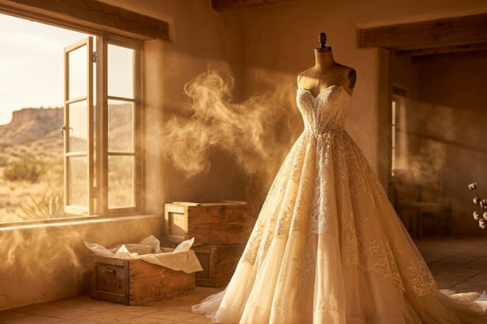
A wedding gown is one of the most sentimental garments a person will ever own, but in a state like Texas, environmental conditions can quietly and permanently damage it if not properly preserved. High temperatures, dry winds, and airborne dust particles all contribute to fabric deterioration over time. Without timely wedding dress preservation in Texas, even a carefully stored gown can yellow, weaken, or lose its original texture and elegance.
Understanding how Texas climate conditions affect wedding dresses helps brides take the right steps immediately after the wedding to protect their gown for decades.
Texas Climate and Its Impact on Wedding Gowns
Texas has a predominantly hot and dry climate in many regions, especially in areas like Dallas, Austin, and West Texas. Summers are long and intense, with temperatures often exceeding 100°F (38°C), while dust storms and dry winds are common in certain inland areas.
Unlike humid climates where mold is the primary concern, Texas brides face a different set of risks: heat-driven fabric breakdown and dust accumulation. Heat accelerates chemical reactions in fabric fibers, while dust contains microscopic particles that cling to delicate materials like lace, tulle, and silk.
Over time, these conditions can cause:
- Yellowing and discoloration of fabric
- Weakening of delicate stitching and embroidery
- Dry, brittle texture in silk and satin
- Permanent staining from dust particles and oxidation
How Heat Damages Wedding Dresses Over Time
Heat is one of the most aggressive environmental factors affecting wedding gowns in Texas. Even if a dress is stored indoors, prolonged exposure to high temperatures can gradually degrade fabric integrity.
Silk and satin are especially vulnerable because they are protein-based fibers. When exposed to heat, they lose moisture balance, becoming stiff and fragile. Adhesives used in embellishments, beads, or lace appliqués may also weaken or melt under extreme conditions.
Common heat-related damage includes:
- Fabric oxidation leading to yellow or beige tinting
- Loss of elasticity in tulle and lace layers
- Glue breakdown in decorative elements
- Increased visibility of sweat stains that were previously invisible
In Texas homes without climate-controlled storage, attics and closets near exterior walls are especially risky.
The Role of Dust in Fabric Deterioration
Dust may seem harmless, but in reality, it is one of the most underestimated threats to wedding gown preservation in Texas. Dust is composed of fine particles such as soil, pollen, textile fibers, and pollution residue—all of which can bond with fabric surfaces.
During outdoor Texas weddings, especially in rustic ranches, vineyards, or desert venues, gowns are highly exposed to airborne particles. Once embedded in fabric, dust can act as an abrasive material, slowly wearing down delicate fibers.
Long-term dust exposure can lead to:
- Dull and faded fabric appearance
- Embedded stains that are difficult to remove
- Fiber abrasion causing thinning of lace or tulle
- Increased attraction of moisture and oxidation in trapped particles
Why Immediate Preservation Is Essential in Texas
Timing plays a crucial role in preventing permanent damage. The best practice for Texas brides is to begin preservation within 1 to 3 weeks after the wedding.
This is especially important because invisible stains—such as sweat, food residue, or champagne—can oxidize quickly in heat, turning into permanent brown or yellow marks.
Immediate steps after the wedding should include:
- Keeping the gown in a cool, shaded area
- Avoiding storage in garages, attics, or hot closets
- Allowing the dress to breathe in a garment bag (not plastic)
- Sending it for professional cleaning as soon as possible
The longer a gown remains untreated in Texas heat, the higher the risk of irreversible fabric damage.
Professional Wedding Dress Preservation Process in Texas
Professional preservation services are designed to counteract the environmental challenges specific to regions like Texas. The process typically involves several critical steps.
- Detailed Inspection
Experts first assess the gown for heat and dust-related damage, including invisible stains and fiber stress. - Fabric-Safe Cleaning
Specialized cleaning agents are used to remove dust particles, oils, and oxidation stains without harming delicate materials. - Controlled Drying Process
The gown is dried in temperature-regulated environments to prevent heat-related shrinkage or fiber hardening. - Acid-Free Preservation Packaging
After cleaning, the dress is placed in acid-free boxes and tissue paper that prevent discoloration and absorb residual environmental moisture. - Long-Term Sealing Protection
The gown is sealed to protect it from air, dust, and light exposure, ensuring long-term preservation even in fluctuating Texas temperatures.
Storage Mistakes Texas Brides Should Avoid
Even after professional cleaning, improper storage can undo preservation efforts. Many Texas brides unknowingly store their gowns in high-risk areas.
Common mistakes include:
- Storing gowns in attics exposed to extreme summer heat
- Keeping dresses in plastic covers that trap heat and moisture
- Placing boxes near windows or exterior walls
- Using non-breathable containers that trap dust and humidity
- Frequent opening of preservation boxes, exposing fabric to air
Because Texas weather can shift rapidly between dry heat and occasional humidity, stable storage conditions are essential.
How Proper Preservation Protects Wedding Gowns in Texas
When done correctly, wedding dress preservation creates a protective barrier against environmental stressors common in Texas. It helps prevent:
- Heat-induced oxidation and yellowing
- Dust particle embedding and abrasion
- Fabric weakening from long-term exposure
- Damage to embroidery, lace, and beadwork
- Color fading and texture loss
A properly preserved gown can remain in pristine condition for decades, even in challenging climates.
Conclusion
In a climate as demanding as Texas, wedding dress preservation is essential for protecting one of the most meaningful garments a bride will ever own. Heat and dust are silent but powerful forces that gradually damage delicate fabrics, often in ways that are not immediately visible.
By acting quickly after the wedding and choosing professional preservation methods, brides can ensure their gowns remain beautiful, intact, and ready to be cherished as heirlooms for future generations.