

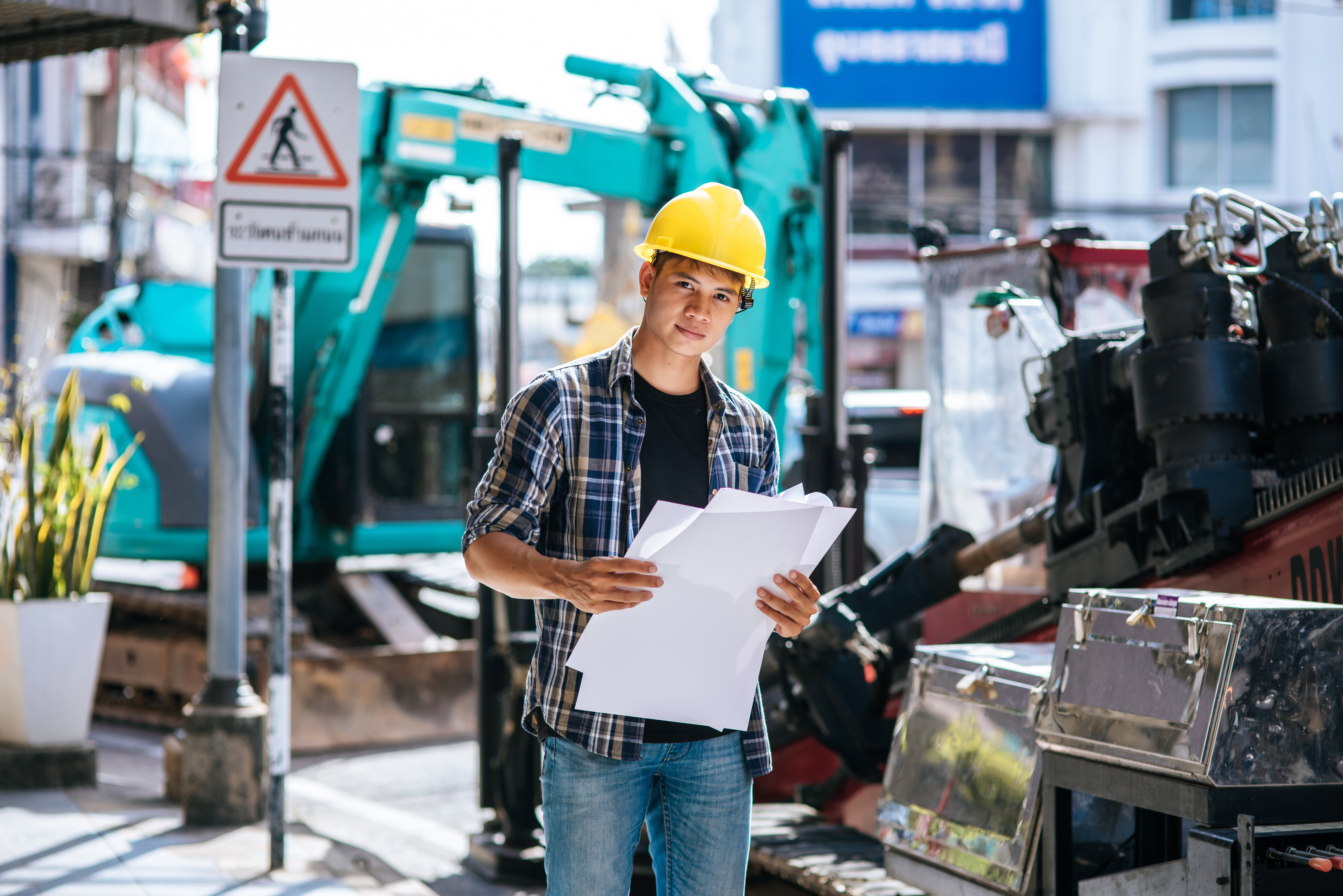
A male site worker is inspecting a crane outdoors
Lifting equipment does heavy work every single day. Cranes, hoists, chains, and slings carry loads that weigh more than most people can imagine. Because of that, companies must take Lifting Equipment Inspection seriously. One small fault can lead to injury, damage, or costly delays.
Regular inspections help teams spot problems early. They don’t just tick boxes for compliance. They protect workers and keep operations running smoothly. When inspectors look closely at lifting gear, they often find the same common issues again and again.
Why Lifting Equipment Inspection Is Essential
Every workplace that uses lifting gear carries risk. Heavy loads move above people’s heads. Machines operate under pressure. If something fails, the results can be severe.
A proper Lifting Equipment Inspection helps businesses stay compliant with safety rules. It also reduces accidents. When companies inspect equipment on time, they extend its lifespan. They avoid sudden breakdowns. They also save money in the long run.
Most importantly, inspections give peace of mind. Managers know their equipment works as it should. Workers feel safer. That confidence matters.
Common Mechanical Issues Found During Lifting Equipment Inspections
Mechanical faults often appear during inspections. Some develop slowly. Others occur due to overloading or poor handling.
Wire Rope Fraying and Broken Strands
Wire ropes take constant stress. They bend, twist, and carry heavy loads daily. Over time, the outer strands start to fray. Small broken wires may seem harmless, but they weaken the rope.
Inspectors check for broken strands, flattening, and uneven wear. If they ignore these signs, the rope may snap under load. That risk alone makes regular checks essential.
Hook Deformation and Cracks
Hooks hold the load. If a hook changes shape, trouble follows. Overloading often causes hook deformation. The throat opening may widen. Small cracks may appear near stress points.
Inspectors measure hook openings and check for visible cracks. Even a small crack can grow quickly under pressure. Once the hook loses its proper shape, it no longer safely supports loads.
Corrosion and Rust Damage
Moisture, chemicals, and outdoor exposure cause corrosion. Rust eats into metal surfaces. It weakens structural parts.
Inspectors look for pitting, flaking, and surface damage. Corrosion often hides in joints or under protective layers. If teams ignore rust, they risk sudden part failure.
Worn Chains, Slings, and Shackles
Chains and slings handle direct load contact. They rub against sharp edges. They face tension every day. Over time, links stretch. Surfaces wear down.
Inspectors measure link thickness and check for distortion. They also inspect shackles for bent pins or damaged threads. When wear passes safe limits, replacement becomes necessary. There’s no safe shortcut here.
Electrical and Control System Faults in Powered Lifting Equipment
Mechanical parts aren’t the only concern. Powered lifting equipment, such as electric hoists and cranes, also relies on electrical systems. Faults in these systems can cause operations to stop instantly.
Faulty Limit Switches
Limit switches control how far equipment moves. They prevent over-travel. When a limit switch fails, the hoist may move beyond safe points. That can damage the machine or cause load drops.
Inspectors test these switches during Lifting Equipment Inspection. They confirm that movement stops at the correct limits.
Damaged Wiring and Loose Connections
Electrical cables face vibration and movement. Over time, insulation may crack. Connections may loosen.
Inspectors check for exposed wires, burn marks, and loose terminals. Electrical faults can cause sudden shutdowns or even fires. Early detection reduces these risks.
Control Panel Malfunctions
Operators rely on control panels to safely lift and lower loads. If buttons stick or controls respond slowly, danger increases.
Inspectors test all controls. They make sure commands respond correctly. Reliable controls help operators stay in full command of every lift.
Preventive Measures to Reduce Inspection Failures
Companies can reduce common issues with simple preventive steps. Good habits go a long way.
- Follow a clear maintenance schedule
- Train operators to handle loads properly
- Avoid overloading equipment
- Store lifting gear in dry, clean areas
- Replace worn parts before failure
When teams treat lifting equipment with care, they reduce wear and extend service life. Small daily checks also help. Operators can report unusual sounds, jerky movement, or visible damage straight away.
Why Professional Inspection Is Safer Than In-House Checks

An Asian man on a work site is giving instructions
Some companies rely only on internal checks. While daily checks help, they don’t replace professional inspections.
Certified inspectors bring experience and proper tools. They understand load standards and safety regulations. They know what early-stage damage looks like. Most importantly, they remain objective.
An in-house team may overlook minor faults due to familiarity with routine. A professional sees the equipment with fresh eyes. That outside view often catches hidden problems.
Jenmon’s inspection services provide structured and thorough Lifting Equipment Inspection support. Their trained inspectors carefully assess mechanical and electrical components. They detect faults early and recommend corrective actions before problems grow.
By working with professionals, companies reduce risk. They protect workers. They stay compliant. They also avoid costly downtime caused by sudden failures.
Final Thoughts
Lifting equipment carries serious responsibility. It handles heavy loads and operates in demanding conditions. Over time, wear and tear become unavoidable.
Common issues such as wire rope fraying, hook deformation, corrosion, and electrical faults appear regularly during Lifting Equipment Inspection. When companies act early, they prevent accidents and save money.
Professional inspection services play a vital role. They don’t just find faults. They help businesses fix problems before they turn into emergencies.
In the end, safety always comes first. Regular inspections, proper maintenance, and expert support ensure lifting operations stay safe, reliable, and efficient every day.