

Honey bees are important for our environment. They help pollinate plants, which gives us food. But do you know what makes up a honey bee hive? In this article, we will explore the main parts of a honey bee hive and explain how each part helps the bees survive and work together.
A honey bee hive is like a home where bees live, work, and reproduce. Each part of the hive has an important job. Let’s dive into these key hive components and see how they work.
1. The Queen Bee
The queen bee is the key figure in the hive. She is the mother of all the bees. The queen’s main task is to lay eggs. She can lay up to 2,000 eggs every day during the busy season. These eggs become the next generation of bees.
- Job: Lay eggs to create new bees.
- Location: The queen stays in the center of the hive, surrounded by worker bees.
The queen keeps the hive strong by producing more bees. Without her, the hive couldn’t survive.
2. Worker Bees
Worker bees are the ones that handle most of the tasks inside the hive. They are female bees, but they cannot lay eggs. Worker bees have many jobs:
- Foragers: Collect nectar, pollen, and water.
- Nurses: Care for the baby bees (larvae).
- House Bees: Clean and protect the hive.
- Guard Bees: Keep the hive safe from threats.
There are many worker bees in a hive, and they all work together to make sure the hive stays healthy.
3. Drone Bees
Drone bees are male bees. Their main job is to mate with a queen from another hive. Drones do not gather nectar or pollen, and they do not help with the other tasks in the hive.
- Job: Mate with queens to produce more bees.
- Life Span: Drones typically die after mating or are kicked out of the hive in winter.
While drones don’t do much work, they are still needed to help create new generations of bees.
4. The Hive Structure
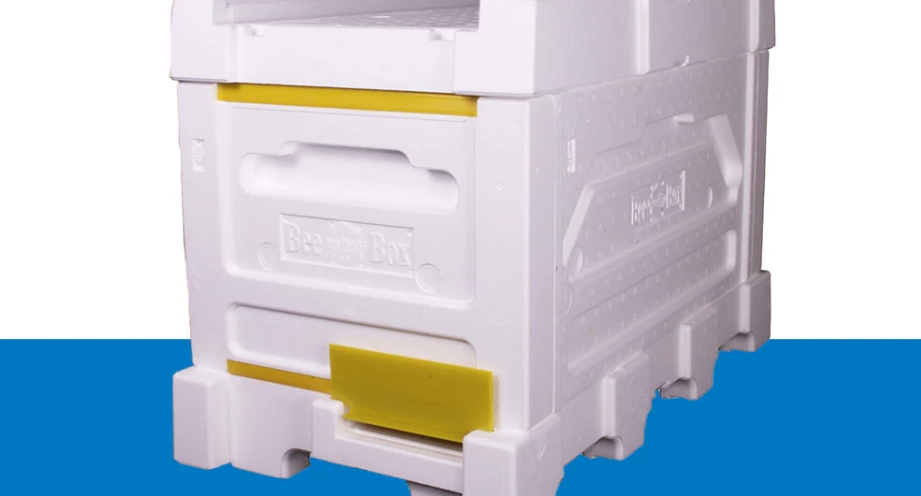
The hive itself is made up of several parts that help the bees live and work together. Let’s look at these parts.
Frames
The frames are the rectangular parts inside the hive. Bees build a honeycomb on these frames. The honeycomb is where bees store honey and pollen, and where the queen lays her eggs.
- Honeycomb: Bees use wax to build hexagonal cells to store honey and pollen.
- Brood Cells: Special cells where the queen lays her eggs that become larvae and then bees.
Supers
Supers are boxes that sit above the brood box. These boxes are where bees store extra honey that the beekeeper can later harvest.
- Shallow Supers: Used mainly to store honey.
- Deep Supers: Where the queen lays her eggs, and the young bees grow.
Brood Box
This is the section of the hive where the queen deposits her eggs. It holds the brood (eggs, larvae, and pupae), which are needed to make new bees.
Entrance
The entrance is where bees go in and out of the hive. They use the entrance to bring in nectar, pollen, and water, and to leave when they are foraging.
5. Honey and Pollen Storage
Bees gather nectar from flowers, which they turn into honey. Honey is their main food, especially in winter when flowers are not available. Bees also collect pollen to feed the baby bees.
- Honey: Stored in the upper part of the hive in honeycomb cells.
- Pollen: Stored in the comb and used to feed larvae.
Honey and pollen are the food supply that keeps the hive alive, especially during cold months.
6. Temperature Control
Bees must maintain the right temperature inside their hive. The ideal temperature is about 95°F (35°C). This is important for the baby bees to grow properly. Bees control the temperature in the hive by clustering together to stay warm in winter and fanning their wings to cool the hive in summer.
- Winter Cluster: Bees stay close together to generate heat during cold months.
- Ventilation: Worker bees fan their wings to keep the hive cool in hot weather.
This temperature control helps the bees survive no matter the season.
Conclusion
In conclusion, a honey bee hive is made up of many important parts. The queen, worker bees, drones, and hive structure all work together to keep the colony alive. The hive stores honey and pollen, and the bees work hard to control the temperature.
Each part of the hive has a special role, and together, they form a strong, efficient colony. Understanding these key components of a hive helps us appreciate the hard work of bees and their role in nature.