

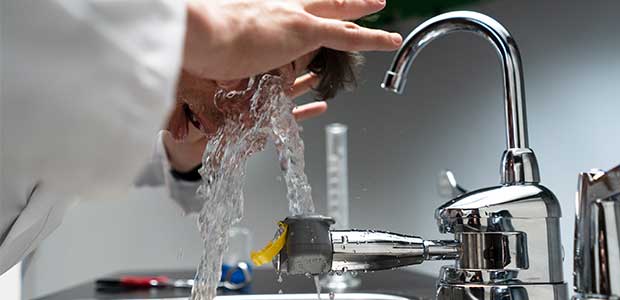
Emergency eyewash and shower equipment is an essential part of workplace safety, particularly in industries where employees are exposed to hazardous chemicals, particles, or materials that could cause injury. However, many facilities fail to meet compliance standards for these critical safety measures, leading to potential violations, fines, and—worse—preventable injuries. This blog will explore the most common violations related to emergency eyewash and shower equipment and answer a key question: How often should eyewash stations be checked?
Why Emergency Eyewash and Shower Equipment Matters
In workplaces dealing with corrosive substances, chemical splashes, or airborne irritants, emergency eyewash and shower equipment serve as the first line of defense in minimizing injuries. OSHA (Occupational Safety and Health Administration) and ANSI (American National Standards Institute) set clear guidelines to ensure these systems are accessible, functional, and compliant.
When violations occur, it not only puts workers at risk but also exposes businesses to legal consequences. Understanding common issues can help companies proactively address potential problems and ensure compliance.
The Most Common Violations
- Improper Installation
One of the leading violations is the improper installation of eyewash and shower equipment. ANSI Z358.1, which outlines the standards for these systems, requires specific guidelines for installation, including:
- The height of eyewash sprays (between 33-45 inches above the floor).
- The location of the equipment (within 10 seconds of walking distance from hazardous areas).
- The water pressure and flow rate.
Failure to meet these specifications often results in non-compliance, which could render the equipment ineffective during an emergency.
- Inaccessible or Obstructed Equipment
Emergency eyewash and shower equipment must be easily accessible and free from obstructions. One common violation is placing equipment in hard-to-reach areas or allowing objects to block access. During an emergency, every second counts, and obstacles can delay critical care.
To comply, equipment must be placed on the same level as the hazard, and the path to it should be clear at all times. Workers must also be aware of its location, which requires proper signage and training.
- Failure to Perform Regular Inspections
How often should eyewash stations be checked? The ANSI standard requires that eyewash and shower equipment be activated and inspected weekly to ensure functionality. Additionally, a more thorough inspection should be conducted annually to verify compliance with all standards.
Unfortunately, many facilities neglect these inspections, leading to:
- Malfunctioning valves or nozzles.
- Contaminated water lines.
- Equipment that doesn’t meet flow rate or pressure standards.
Regular testing ensures the equipment operates as intended and provides clean, tepid water to flush irritants effectively.
- Using Non-Tepid Water
ANSI standards specify that emergency eyewash and shower systems must deliver tepid water, defined as being between 60°F and 100°F. Temperatures outside this range can exacerbate injuries:
- Hot water may scald skin or eyes, causing further harm.
- Cold water may cause discomfort, discouraging employees from using the equipment for the recommended 15 minutes.
Violations often occur when facilities lack temperature-regulating systems or fail to monitor water temperature consistently.
- Insufficient Flow Rate
The effectiveness of emergency eyewash and shower equipment hinges on the proper flow rate:
- Eyewash systems must deliver 0.4 gallons per minute for at least 15 minutes.
- Emergency showers must provide at least 20 gallons per minute.
If the flow rate is inadequate, hazardous materials may not be fully flushed from the affected area, leading to lingering injuries. Facilities often overlook this requirement, especially if they fail to conduct proper testing.
- Lack of Maintenance or Repairs
Even properly installed equipment can become non-compliant if it’s not maintained. Over time, issues such as corrosion, clogged nozzles, and faulty valves can render the equipment ineffective. Regular maintenance ensures:
- Proper water pressure.
- Clean and unobstructed nozzles.
- Functional activation systems.
Ignoring these maintenance needs is a violation that can have serious consequences in emergencies.
- Non-Compliant Equipment
Using equipment that doesn’t meet ANSI standards is another common violation. Some facilities install generic eyewash or shower units that fail to provide the necessary coverage, flow rate, or temperature regulation.
To avoid this, always purchase ANSI-compliant systems from reputable manufacturers and ensure proper installation.
- Poor Signage and Training
Employees must be able to locate and use emergency equipment immediately during an emergency. Violations often arise from inadequate signage or lack of training. Proper steps include:
- Clear, visible signage to indicate the location of eyewash stations and showers.
- Training sessions to familiarize employees with the operation of the equipment.
Without these measures, workers may hesitate or misuse equipment, reducing its effectiveness.
Best Practices for Compliance
- Conduct Weekly Checks
As mentioned earlier, eyewash and shower equipment must be checked weekly to ensure functionality. This includes:
- Activating the equipment to flush out stagnant water and debris.
- Verifying that the water flows evenly from both nozzles.
- Checking for any physical damage or corrosion.
- Schedule Annual Inspections
In addition to weekly checks, schedule an annual inspection with a certified technician to evaluate overall compliance. This includes verifying installation, flow rate, water temperature, and overall functionality.
- Maintain Proper Records
Keep a detailed log of all inspections, maintenance, and repairs. This not only ensures compliance with OSHA and ANSI standards but also provides a clear record in case of audits or incidents.
- Train Employees Regularly
Train employees on the importance of emergency eyewash and shower equipment, including:
- How to locate and operate the equipment.
- The recommended duration for rinsing (at least 15 minutes).
- The need to report any issues immediately.
- Ensure Tepid Water Supply
Install thermostatic mixing valves or other temperature-regulating devices to maintain water temperature between 60°F and 100°F. Regularly monitor and adjust the system as needed.
- Invest in ANSI-Compliant Equipment
Purchase equipment that meets or exceeds ANSI standards to avoid non-compliance. Partner with reputable manufacturers and installers who understand the regulations.
Consequences of Non-Compliance
Failing to comply with emergency eyewash and shower requirements can have serious consequences, including:
- Increased risk of injury or long-term damage to employees.
- Costly OSHA fines and penalties.
- Damaged reputation and loss of employee trust.
Facilities can protect workers and ensure compliance with industry standards by addressing common violations and adhering to best practices.
How Often Should Eyewash Stations Be Checked?
To recap, ANSI requires weekly checks to confirm proper operation and clean water flow. Annual inspections are also necessary to verify full compliance with ANSI and OSHA guidelines. These checks are not optional—they are critical for ensuring the safety of your employees and avoiding costly violations.
Conclusion
Emergency eyewash and shower equipment are vital components of workplace safety, but non-compliance remains a widespread issue. From improper installation to neglecting regular checks, the consequences of these violations can be severe. By understanding the most common violations and following best practices, businesses can protect their employees, meet safety standards, and maintain a safe working environment.
If you’re unsure about the compliance of your emergency eyewash and shower systems, consider hiring a professional inspection service to evaluate your equipment. Ensuring functionality and adherence to ANSI standards is not just about avoiding fines—it’s about safeguarding your team when every second counts.